
Summary of the Case
Kilmar Armando Ábrego García, a Salvadoran immigrant, faced wrongful deportation under the Trump administration, marking significant concerns in immigration enforcement ethics. In 2025, he was mistakenly deported to El Salvador due to an “administrative error.” Upon returning to the U.S., he was charged with human smuggling—a case later dismissed by U.S. District Judge Waverly Crenshaw, who cited vindictive prosecution due to his legal challenge against the deportation. This ruling highlighted a troubling pattern of political influence in prosecutorial decisions, echoing broader concerns about due process in immigration enforcement.
Understanding Ábrego García’s Deportation
Ábrego García was deported in March 2025 during a period of heightened immigration enforcement under the Trump administration, which saw significant increases in prosecutions. His deportation became a focal point for discussions about due process violations, as it was later found to lack a valid order—an issue raised in court multiple times. The aggressive immigration policies during this period raised questions about the ethicality behind prosecutorial choices and their implications for individuals perceived as political adversaries.
Legal Proceedings and Dismissal of Charges
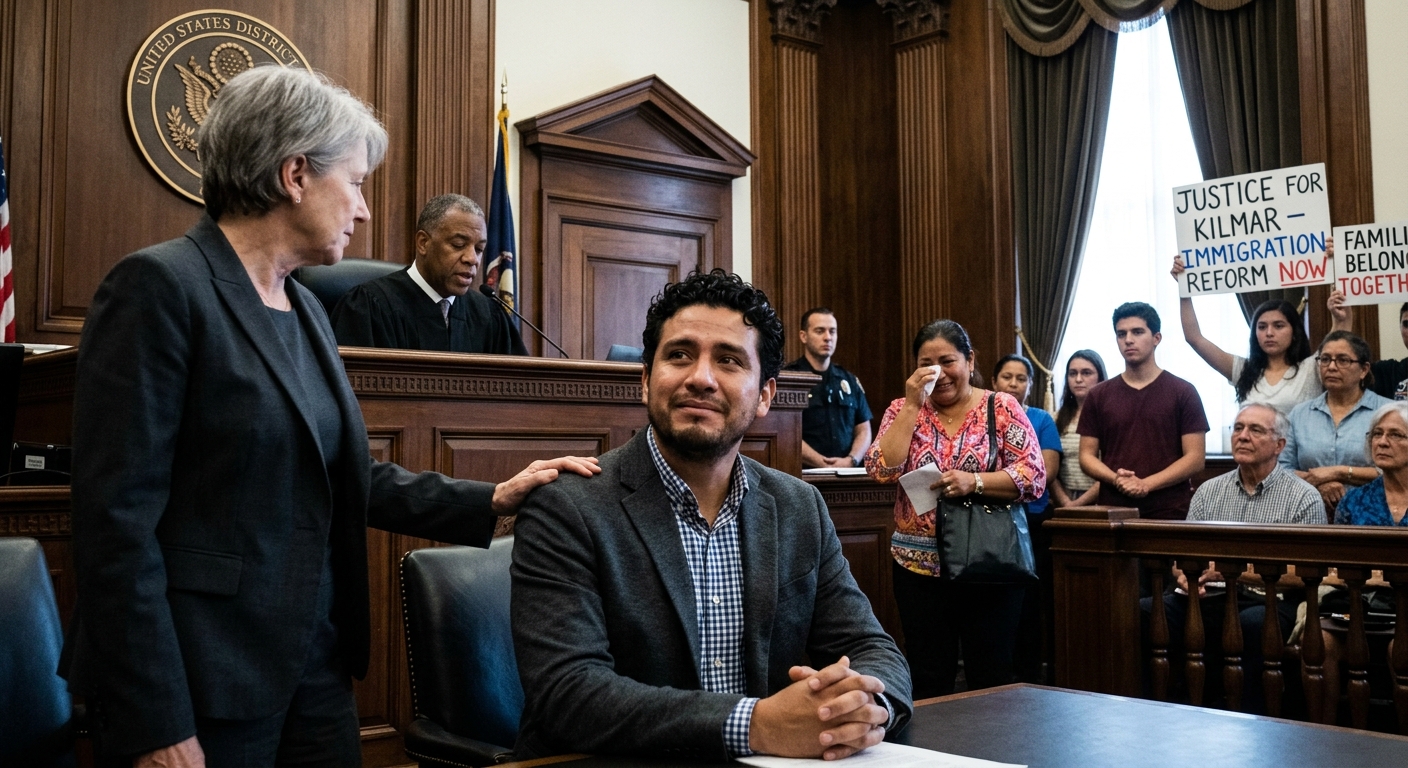
After his wrongful deportation, Ábrego García faced charges linked to human smuggling, which were dismissed as vindictively motivated. Judge Crenshaw underscored that the prosecution was rooted in retaliation for his challenge to the deportation, marking a rare judicial rebuke of politically charged immigration prosecutions. The dismissal raised critical concerns about the misuse of executive power and prosecutorial authority, as the judge emphasized that such actions should not stem from political dissent or legal challenges.
Implications of the Ruling
The implications of the judge’s ruling resonate beyond Ábrego García’s case, revealing systemic issues within the prosecutorial framework during the Trump era. Critics emphasized that this case illustrated the dangerous intersection of politics and justice, where prosecutions could be weaponized against dissenters. Moreover, the ruling reinforced concerns about maintaining prosecutorial independence and fairness in immigration enforcement, highlighting the need for reforms to prevent politicized legal actions against individuals challenging government decisions.
Reactions from Legal Experts and Community
The dismissal generated varied responses from legal professionals and the public, reflecting widespread apprehension regarding politicization within the Department of Justice. Defenders of Ábrego García described the prosecution as an intimidation tactic that undermined professional ethics. Observers noted a growing trend of federal prosecutors embracing a hardline stance on immigration, potentially leading to ethical dilemmas and conflicts of interest as administrative directives tightened around prosecutorial discretion.
Aftermath and Future Considerations
The aftermath of the case against Ábrego García prompts ongoing dialogue about immigration enforcement priorities and prosecutorial ethics. The ruling raised awareness around the necessity for balancing robust enforcement with fair legal practices. It serves as a cautionary tale about the risks of employing prosecutions as tools of retaliation, urging reflection on how immigration policies and practices can be reformed to uphold justice and protect individuals’ rights amidst political pressures.