Summary
The Ultimate Guide to Hosting an Amazing Baby Shower at Home provides a comprehensive overview of planning, organizing, and celebrating baby showers in a home setting. Baby showers are festive social gatherings traditionally held to honor and support expectant mothers, offering an opportunity for family and friends to celebrate the impending arrival of a new baby. This guide explores the rich historical origins and cultural variations of baby showers worldwide, highlighting how these celebrations have evolved from ancient rituals to modern social events.
The guide details practical aspects of hosting a successful baby shower at home, including selecting the ideal venue, crafting a guest list, and choosing themes that reflect the mother-to-be’s personality. It offers advice on timing the event to ensure the mother’s comfort, managing invitations, and coordinating food and beverages with safety considerations for pregnant guests. Moreover, it covers popular activities and entertainment options designed to engage guests and create memorable experiences, such as traditional games, creative crafts, and photo opportunities.
Attention is given to the health and comfort of the mother-to-be, emphasizing the importance of hydration, stress reduction, and creating an accommodating environment during the celebration. The guide also addresses gift-giving etiquette, favor ideas, and strategies for budget-conscious hosts, ensuring that every aspect of the event is thoughtfully planned and executed.
While generally celebratory, baby showers can sometimes involve challenges such as managing guest expectations, cultural sensitivities, or logistical issues in home settings. The guide acknowledges these potential difficulties and offers practical tips to navigate them gracefully, helping hosts create a joyous and inclusive event that honors both the expectant mother and her community.
Historical Origins and Cultural Evolution
The tradition of celebrating motherhood and welcoming a new baby has deep historical roots, evolving through various cultures and time periods. Before the modern concept of baby showers emerged, many societies observed rituals symbolizing a rite of passage for the new mother. These rituals were purposefully designed to honor and support the mother’s transition into her new role within the community. For example, in southern Italy, it was customary to bring pigeon soup to the new mother as a form of care and celebration.
Tracing back even further, the origins of baby shower-like celebrations can be found in Ancient Egypt, where rituals were predominantly held after the birth of the baby rather than before. These early ceremonies often focused on the health and protection of both mother and child in a time when infant mortality was high. As civilizations progressed, such practices adapted to reflect changing societal norms and values.
During the Renaissance Era, the custom of giving gifts to expectant mothers began to take hold. These gifts varied from practical items like food and kitchenware to decorations intended to prepare the home for the arrival of the newborn. The gesture symbolized community support and well-wishing for the mother-to-be. The Victorian Era marked a significant shift toward what resembles modern baby showers. Women would host tea parties after the baby’s birth, creating social gatherings specifically centered around the new mother’s experience.
In contemporary times, baby showers have become widespread, especially in the United States where their popularity grew substantially during the 1940s. However, different cultures around the world maintain their own unique traditions related to motherhood and newborn care. For instance, in Nigerian Igbo culture, a postpartum custom called omugwo involves the grandmother stepping in to care for the new mother, providing support as she recuperates and adjusts to motherhood.
Cultural Customs and Rituals
Celebrating the arrival of a new baby is a universal experience, but the customs and rituals surrounding this joyous occasion vary widely across cultures. In many parts of the world today, baby showers serve as the modern expression of longstanding traditions. However, the form and nature of these celebrations differ culturally. For example, in Western countries such as the United States, Canada, Australia, and New Zealand, baby showers are typically women-only social gatherings where guests bring gifts and partake in games and festivities. Contrastingly, in the Dominican Republic, baby parties involve both men and women, are often surprise events, and feature a variety of interactive games before gift-opening.
Some cultures incorporate deeply religious or symbolic elements into their celebrations. The Hindu tradition includes the godh bharai, meaning “fill the lap,” which is a women-only ceremony held in the seventh month of pregnancy. It involves singing, dancing, adorning the mother-to-be with jewelry and bangles, and filling her lap with gifts, fruits, and sweets to bless the unborn child and mother. Similarly, the Hindu Simantonnayana is a ritual akin to a baby shower but focuses more on spiritual rites, such as visits to temples and purification ceremonies, often involving postpartum confinement practices to “contain and eliminate the pollution of birth”.
In South Asia, other social events like valaikappu and poochoottal are comparable to Western baby showers in their festive, music-filled atmosphere where the expectant mother is decked out in flowers and traditional attire, and symbolic decorations such as moons and stars are displayed. Islamic traditions include Aqiqah, where an animal is slaughtered following the birth and the meat distributed among family and the needy, serving as both a religious and celebratory act, though it is not universally practiced.
African and Latin American cultures also have unique approaches to celebrating new life. South African “stork parties” are similar to baby showers but are typically surprise events organized by close friends. Latino baby showers often welcome children and men alongside women, emphasizing family inclusivity and community support. Afghan celebrations mark the baby’s arrival six nights after birth, reflecting local customs and timings.
These diverse cultural customs reflect the importance placed on welcoming new life, supporting the mother, and strengthening community bonds. While the rituals and social structures may vary—from women-only gatherings to inclusive family celebrations, from religious ceremonies to playful parties—the shared joy and communal spirit remain central to the experience worldwide.
Planning the Baby Shower
Planning a baby shower involves several key decisions that help ensure the event is enjoyable and meaningful for the mother-to-be and guests. The first step is choosing which traditions to incorporate, deciding who to invite, and setting the date. Typically, baby showers are held four to six weeks before the expected due date, allowing ample time to prepare while minimizing the risk of a premature birth interrupting the celebration. However, some families opt to receive gifts after the baby is born due to cultural or religious reasons.
Timing the shower requires careful consideration of the expectant mother’s comfort and health. Scheduling the event during the second or early third trimester is generally ideal, as it balances practicality with the mother’s well-being. Additionally, the availability of key attendees should be factored in to maximize attendance.
Once the date is selected, creating and sending invitations is next. Invitations should clearly state the name of the mother-to-be or couple, the date, time, and location of the shower, a baby registry link if applicable, and RSVP details. Sending invitations about six weeks in advance provides guests sufficient time to plan, RSVP, shop for gifts, and arrange childcare if necessary. Depending on the formality of the event, invitations can be sent via email or traditional paper cards. Numerous customizable templates are available online, allowing hosts to tailor the invitation’s style and theme to suit the event and budget.
Compiling the guest list is an important task. Hosts should finalize the list early and collect mailing addresses from friends, family, and coworkers. Coordination with any co-hosts is essential to share responsibilities and ensure all important contacts are included. It is generally advised not to hold the shower at the expectant mother’s home unless she specifically requests it, as hosting may add unnecessary stress for her.
Selecting a venue depends largely on the budget and desired atmosphere. Popular options include hosting at a friend or family member’s home, which is budget-friendly but may require renting additional furniture and serveware for larger groups. Outdoor venues such as parks can be ideal for summer or fall showers but may require permits and backup plans in case of bad weather. Alternatively, renting an indoor event space offers a climate-controlled environment with amenities such as convenient parking and restrooms, which can enhance guest comfort and the overall experience.
Choosing a theme helps unify the event and can make planning decorations, food, and activities easier. Themes often reflect the mother-to-be’s personal style, the season, or interests shared by the parents-to-be. Popular choices include rustic woodland designs, vintage ‘70s motifs, or nautical colors and decorations. A well-chosen theme also acts as a natural conversation starter among guests, fostering a warm and interactive atmosphere.
Throughout the planning process, communication among hosts and with the mother-to-be is crucial to accommodate preferences and ensure the event runs smoothly. While the preparation can seem overwhelming, with careful organization and thoughtful consideration, hosting a baby shower can be a rewarding and memorable celebration for all involved.
Preparing the Venue
Choosing the right venue is a crucial step in hosting a successful baby shower at home. While many baby showers take place in a private residence, selecting a specific space within the home or renting a nearby venue can greatly enhance the experience. A well-chosen venue offers a neutral and welcoming atmosphere, free from the distractions and stress that might be present in everyday home life. This allows the mother-to-be and her guests to fully relax and focus on the celebration.
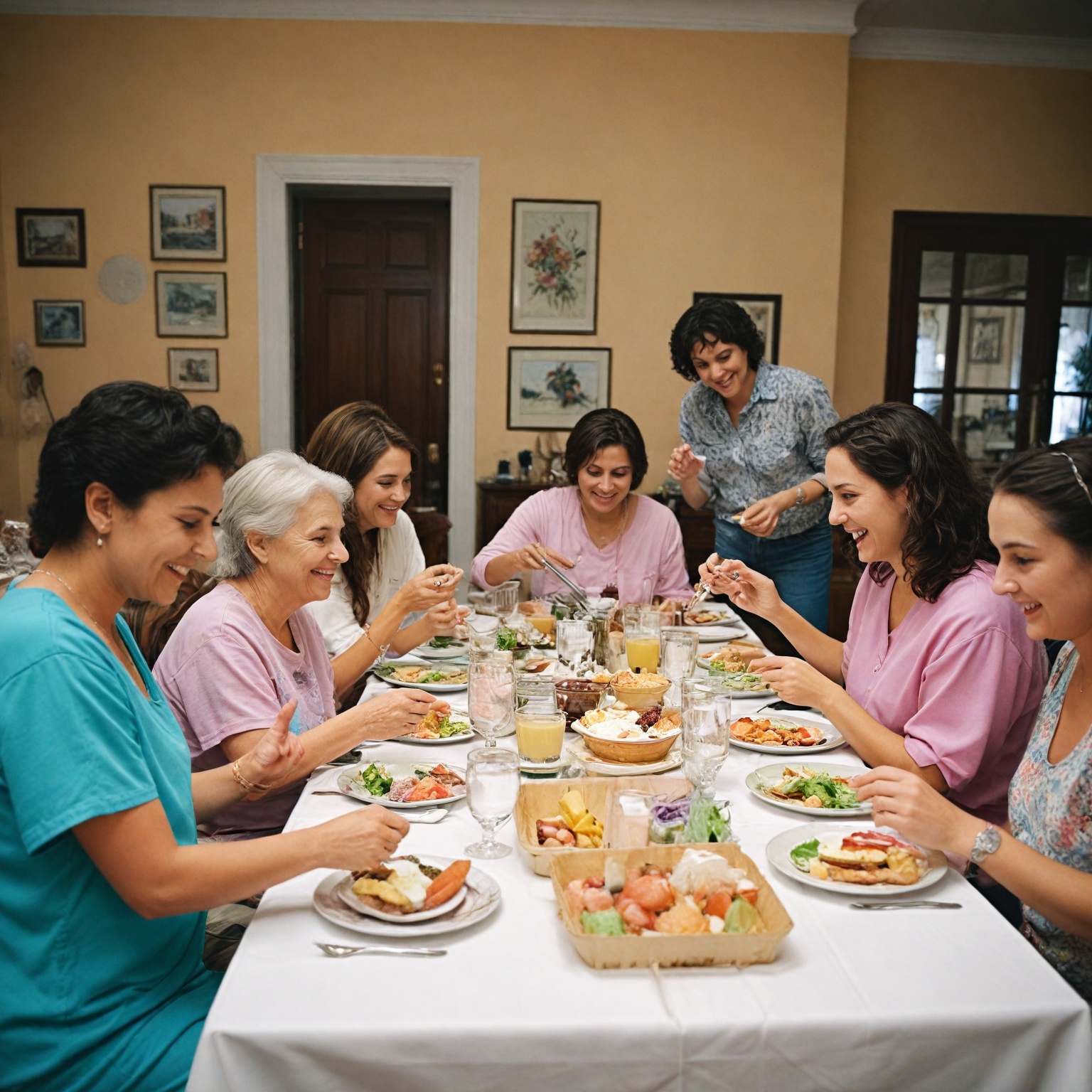
When hosting at home, the hostess typically provides the space along with essential hosting necessities such as plates, utensils, and seating arrangements. To share the workload, the hostess usually prepares one or two dishes, while other guests are assigned items to bring. This collaborative approach not only lightens the burden on a single person but also adds variety to the menu.
Decorating the venue to fit a chosen theme can transform the space and create a memorable ambiance. Themes can be seasonal, such as a winter baby shower, or based on the mother-to-be’s personal preferences, allowing the celebration to revolve around her style and tastes. A well-executed theme acts as a natural conversation starter among guests, fostering connections and enhancing the social atmosphere.
In addition to decorations, incorporating interactive stations can engage guests and add a personal touch. For example, setting up a bodysuit-designing station or a scrapbook area where guests can add photos and messages creates meaningful memories for the mother-to-be. These activities often become highlights of the event and can be accommodated easily within the venue space.
Outdoor venues, such as gardens or patios, are also popular choices for baby showers hosted at home or nearby. Utilizing natural elements like floral centerpieces made from tissue paper flowers or rustic woodland-themed decorations can add charm without requiring extensive setup. If using an outdoor space, weather considerations should be taken into account to ensure guest comfort.
Finally, careful attention should be given to layout and flow within the venue. Instead of a traditional sit-down meal, consider arranging finger foods and snacks throughout the space to encourage mingling and easy access to refreshments. This setup suits the social nature of baby showers, allowing guests to graze while participating in games, gift-opening, or other planned activities.
Activities and Entertainment
Baby shower activities and entertainment are key to creating a lively and memorable celebration that engages guests and honors the mother-to-be. A wide variety of games and creative activities can suit different group dynamics and preferences, from traditional party games to more personalized keepsake projects.
Traditional and Interactive Games
Classic baby shower games remain popular for breaking the ice and encouraging friendly competition. One well-loved game involves guests guessing the number of objects, such as diapers, pacifiers, or orange cuties, contained within a vessel. The host keeps the exact count secret, and the closest guess wins. Another engaging game is a baby-themed version of Jeopardy, where categories cover general baby trivia and facts about the parents-to-be, providing a fun, co-ed experience that tests guests’ knowledge in a lively format.
An interactive twist on traditional games includes the “Baby’s First Alphabet Book,” where guests contribute letters or words related to the baby’s alphabet, creating a personalized keepsake for the parents after the shower. Nursery rhyme trivia is another nostalgic game that involves filling in blanks on printable sheets within a time limit, sparking conversations and memories among attendees. For a physical activity that adds humor and excitement, balloon games—such as blowing up and hiding balloons under shirts—are festive and crowd-pleasing.
Creative and Meaningful Activities
Beyond games, many baby shower activities focus on crafting personalized mementos for the parents-to-be. Guests can write heartfelt messages with themes like “I’m a Stinker” or “Dad’s Turn,” which the mother and baby can cherish in the future. These meaningful crafts often encourage bonding among guests and create lasting memories tied to the celebration.
Photo opportunities also enhance entertainment and personalization. Setting up a photo wall or backdrop with balloons, lights, and custom signs provides an easy yet impactful way to add flair to the venue while giving guests a fun activity to enjoy. Including baby pictures of the parents-to-be or photos tracking the pregnancy journey adds an emotional touch to the décor and creates conversation starters.
Unique and Budget-Friendly Entertainment
For hosts on a budget, simple yet creative entertainment options can still impress. DIY photo booths with props and themed backdrops encourage guests to capture moments without the expense of professional setups. Additionally, interactive games like marking off gifts as they are opened add humor and engagement during the traditional gift-opening segment of the shower.
A thematic approach to activities and entertainment also fosters connection among guests by aligning with the mother-to-be’s style and interests. Themes provide a natural conversation starter and allow for cohesive decoration, music, and game choices tailored to the celebration. Hosting at a dedicated venue further enhances entertainment possibilities, offering flexibility for décor, catering, and space for various activities without the distractions of a home environment.
Food and Drink Options
When planning food and drink for a baby shower, it is important to consider the preferences and safety of the mom-to-be and guests, especially since pregnant women must avoid certain foods and beverages. Offering a variety of small, easy-to-eat finger foods and refreshing beverages encourages guests to mingle and snack throughout the event.
Food Choices
A popular approach is to serve mini or bite-sized portions that are simple for guests to grab while socializing. For example, mini cornbread muffins, which are sweet and buttery, make a delightful addition that pairs well with savory dips or can be enjoyed alone. Sourdough bread slices topped with creamy brie and fig jam or a light tomato bruschetta add a sophisticated touch, especially when honoring local food traditions. Additionally, a colorful vegetable platter featuring raw cut vegetables such as carrots, bell peppers, celery, and broccoli with a variety of dips provides a healthy and visually appealing option.
Hosts can also tailor the menu to include the mom-to-be’s favorite foods or stick to a theme or color palette, such as a rainbow fruit display, pregnancy-safe charcuterie boards, or an ice cream sundae bar. Since many baby showers occur during brunch or lunch, quiches, frittatas, finger sandwiches, smoked salmon, and salads are common selections that appeal to a range of tastes.
When selecting foods, it is critical to avoid items unsafe for pregnant women, such as undercooked or processed meats, raw or high-mercury fish, and unpasteurized dairy products. Cold foods should be properly refrigerated before and during the event to maintain safety and freshness. Checking in with guests regarding allergies or dietary restrictions is also advised to ensure everyone can enjoy the offerings comfortably.
Drink Options
Mocktails have become a staple at baby showers, providing fun and festive beverage choices that are completely alcohol-free for the mom-to-be and other guests who prefer not to drink alcohol. Creative mocktail recipes can be themed to match the party,
Gifts and Favors
When planning gifts and favors for a baby shower, it is important to consider practicality, thoughtfulness, and the overall theme of the event. A popular approach is to create a gift registry, which helps avoid duplicate presents and simplifies the process for guests unsure of what to give. Typically, registry information is shared discreetly, either on a separate card or by word of mouth, rather than included directly on the invitation to maintain etiquette. Preparing a registry can be an enjoyable activity for the parents-to-be and reflects the family’s preferences and needs.
Favors are a charming way to thank guests for attending and can range from simple to personalized keepsakes. Common thoughtful gifts include scented body wash, sweet treats, small potted plants, or tokens directly linked to the event, such as a bud vase with a single bloom or a gift bag filled with candies from the dessert table. Customized items aligned with the baby shower’s theme, like mini enchanted roses for an Alice in Wonderland-themed shower, add a whimsical and personal touch.
For those looking to provide indulgent or practical favors, options like bath bombs, luxury soaps, travel-sized beauty products, coffee or tea samplers, and reusable shopping bags are well-received and appreciated by guests. Additionally, themed treats such as customized cookies or creative stationery can serve as delightful game prizes and memorable keepsakes.
Ultimately, favors should reflect the tone of the shower and the preferences of the parents-to-be, serving as a small but meaningful token of appreciation for the attendees.
Health and Comfort Considerations for the Mother-to-Be
Pregnancy is a joyful yet physically and emotionally demanding time for the expecting mother. As her body undergoes continuous changes to support the growing baby, prioritizing both mental and physical health is essential for a comfortable and healthy pregnancy experience. Ensuring the mother-to-be’s well-being during a baby shower involves mindful planning that supports her health needs and comfort throughout the event.
One of the simplest but most crucial aspects to consider is hydration. Staying adequately hydrated is vital not only for the mother’s personal comfort but also for the health and development of the baby. Providing easy access to water and hydrating beverages during the celebration helps maintain hydration levels, reducing fatigue and other pregnancy-related discomforts.
Creating a stress-free and welcoming environment is equally important. Hosting the baby shower in a neutral, comfortable space away from the potential distractions and stresses of home allows the mother-to-be to relax and fully enjoy the event with her guests. Thoughtful seating arrangements, temperature control, and comfortable furniture can further enhance her comfort.
In addition to physical comfort, attention to the emotional well-being of the mother-to-be is necessary. Celebrating her style and preferences through themed decor or activities centered around her interests can foster a positive atmosphere, making her feel cherished and supported. Minimizing loud noises or overwhelming stimuli ensures the mother remains at ease throughout the celebration.
By incorporating these health and comfort considerations, hosts can create a baby shower that honors the unique needs of the mother-to-be, ensuring a memorable and enjoyable experience for everyone involved.
Tips for Hosting
Hosting a baby shower at home can be a rewarding experience with proper planning and organization. One of the first steps when you receive an invitation is to carefully check who is invited and the RSVP deadline to avoid any misunderstandings or faux pas, such as assuming children or significant others are included when they may not be. When hosting, it is important to avoid holding the shower at the expecting mother’s own home unless she specifically requests it, as this can place unwanted pressure on her to serve guests and manage the event, rather than relax and enjoy the celebration.
Setting a budget early on is crucial, as it influences many decisions including venue, food catering, and decorations. Collaborating with co-hosts or helpers can ease the workload; enlist their assistance in managing vendors, decorating, and preparing food or drinks on the day of the shower. Using a detailed checklist or to-do list helps keep the planning process on track and prevents last-minute overspending or overlooked details, especially when working within a limited budget.
When planning the menu, consider hosting a smaller gathering with about 20 to 30 guests at someone’s home, often around brunch or lunchtime. A popular approach is to offer a variety of light foods such as quiche, finger sandwiches, smoked salmon, salads, and desserts, complemented by beverages like mimosas and wine. Assigning each guest a dish to bring can make catering more manageable, while the hostess provides the venue and necessary supplies like plates and utensils.
Timing the baby shower appropriately is another important factor. The celebration should consider the expecting mother’s comfort and health, typically avoiding the last few weeks before birth when energy levels are low and physical strain should be minimized. Planning games and activities that can be enjoyed from a seated position helps accommodate these needs. Additionally, discussing the agenda with the mom-to-be or couple before guests arrive ensures everyone is comfortable with the flow of the party.
If guests are unsure what gifts to bring, baby registries offer a practical solution to avoid duplicates and returns. Etiquette suggests not including registry information directly on invitations but instead providing it on a separate slip or upon inquiry to maintain discretion.
Finally, selecting the right location is essential. Hosting at a family member’s or friend’s home is budget-friendly but may require renting extra tables, chairs, or serveware for larger groups. Alternatively, venues that hold personal significance to the parents-to-be, or even virtual showers for distant guests, can add a special touch to the celebration. With these tips, hosts can create a memorable and enjoyable baby shower that honors the mother-to-be and delights all attendees.
The content is provided by Avery Redwood, Brick By Brick News