Summary
**7 Must-Have Home Features That Will Skyrocket Your Home’s Selling Potential**
In the competitive real estate market, certain home features significantly influence buyer interest and a property’s resale value. Understanding and prioritizing these key upgrades can help sellers maximize their home’s appeal and achieve higher sale prices. As buyer preferences evolve, investments in areas such as kitchen and bathroom upgrades, energy-efficient technologies, and curb appeal enhancements have proven to offer strong returns on investment and heightened marketability.
Kitchens remain the most critical space for prospective buyers, with modern appliances, quality cabinetry, and cohesive design elements driving appeal. Bathrooms also play a pivotal role, where functional and visually pleasing improvements can substantially boost resale potential. Additionally, energy-efficient features—including smart thermostats, solar panels, and multi-zone HVAC systems—are increasingly valued by buyers seeking sustainability and lower utility costs, often translating into higher offers. Exterior enhancements that improve curb appeal, such as fresh paint, landscaping, and durable siding, are essential for making a strong first impression and can recoup a significant portion of upgrade costs at resale.
While personalization and unique design touches can enhance a home’s character, overly customized or maintenance-intensive features may deter buyers and reduce value. Sellers are advised to focus on upgrades that align with current market trends and buyer demands, avoiding over-improvements that exceed neighborhood standards or involve specialized tastes. Strategic improvements that balance aesthetics, functionality, and sustainability tend to yield the highest return on investment and help homes stand out in a crowded market.
This overview highlights seven essential home features that sellers should consider to elevate their property’s selling potential, reflecting contemporary buyer preferences and real estate market dynamics. By focusing on these prioritized improvements, homeowners can better position their properties for successful and profitable sales.
Significance of Home Features in Real Estate Sales
Home features play a crucial role in attracting potential buyers and ultimately determining a property’s resale value. As the housing market rebounds, sellers are advised to invest in areas of their homes that need serious upgrades to capture buyer interest and maximize sale prices. High-quality finishes in desirable neighborhoods tend to command higher offers, emphasizing the importance of maintaining a home in top condition.
While not all home improvements translate directly into dollar-for-dollar increases in property value, their significance lies in aligning with buyer demand and current market popularity. For instance, finishing a basement to include an additional bathroom creates valuable living space, which appeals to many buyers even if the investment is not fully recouped upon resale. The key is to avoid over-improvements that exceed typical neighborhood standards and instead focus on features most sought after by prospective purchasers.
Personalization and unique touches can enhance a home’s appeal, but overly bold design choices risk alienating potential buyers. Sellers are encouraged to view their homes through the eyes of a buyer to make strategic decisions on where to allocate resources, ensuring improvements yield the highest return on investment.
Several factors influence home resale values, including the age and condition of the property, market trends, and location. However, the quality of upgrades is also a significant determinant. Well-executed improvements can enhance a home’s desirability and price point in a competitive market.
Certain upgrades, such as adding a wood deck or patio, demonstrate measurable value increases. Data from Zillow in 2024 reveals that homes in Colorado featuring decks or patios sell for approximately 12% more than comparable homes without these features. Although the average cost of installing a new wood deck is around $14,360, this investment can increase resale value by about $10,065, underscoring the potential financial benefits of such home enhancements.
Top Must-Have Home Features That Increase Selling Potential
When preparing a home for sale, certain features consistently stand out as valuable investments that can significantly boost a property’s market appeal and resale value. These must-have home features reflect current buyer preferences, emphasizing functionality, energy efficiency, and aesthetic appeal.
Kitchen Upgrades
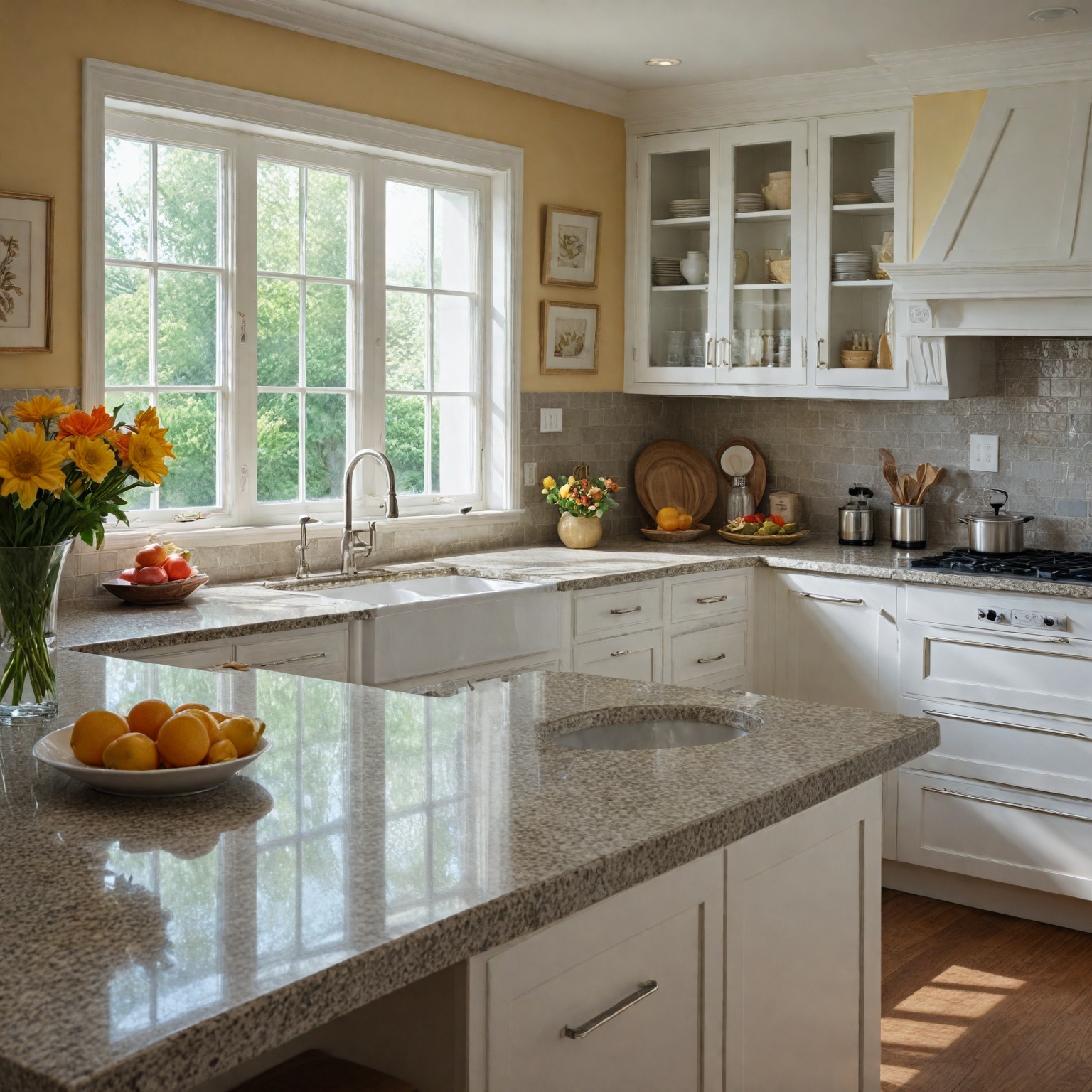
The kitchen remains the heart of the home and the most critical area for attracting buyers. Updating this space with higher-quality cabinets, new countertops, and modern appliances has proven to yield a strong return on investment. According to the Remodeling 2024 Cost vs. Value Report, a minor remodel of a 200-square-foot kitchen, including cabinet fronts, countertops, and appliances, costs about $27,492 and recoups approximately $26,406 at resale. Additionally, open concept kitchens are becoming less popular, replaced by smaller, multi-purpose secondary kitchens designed for food prep and storage, aligning with emerging design trends for 2025. Simple, cohesive updates like matching new faucets and drawer pulls can also modernize kitchens inexpensively while making a strong impression on buyers. Overall, 88% of real estate agents agree that kitchen updates are the best way to appeal to buyers today.
Bathroom Enhancements
Bathrooms are another essential selling point. Midrange bathroom remodels offer a return on investment of about 73.7%, while upscale remodels recoup approximately 45.1%. Functional upgrades that improve the visual appeal of the primary bathroom without extensive expense are recommended to maximize value. Adding features such as bidets or modern fixtures can also attract buyers looking for comfort and convenience.
Energy Efficiency Features
Energy efficiency has become a top priority for many buyers, especially amid rising utility costs and increased environmental awareness. Homes equipped with energy-efficient appliances, programmable thermostats, and smart home security systems are in higher demand, particularly among higher-income buyers. Solar panels, electric heat pumps, and multi-zone HVAC systems are among the most sought-after technologies, offering both lower utility bills and sustainability benefits. For example, multi-zone HVAC systems allow precise temperature control in different areas of a home, reducing energy consumption and enhancing comfort. Investments in energy efficiency not only improve appeal but also can enhance resale value as eco-consciousness grows.
Exterior and Curb Appeal
First impressions matter, and curb appeal significantly influences buyer interest. Attractive landscaping, fresh exterior paint, and durable siding materials such as fiber-cement or vinyl can recoup over 80% of their cost at resale. A paved driveway and outbuildings, like detached garages or storage sheds, cater to specific buyer needs and can set a property apart in competitive markets. Fresh, uniform paint colors throughout the home create a cohesive look that photographs well online and helps buyers envision the property as a welcoming space.
Laundry and Mudroom Spaces
Functional utility spaces like dedicated laundry rooms and mudrooms are increasingly important to buyers. A main-level laundry room makes household chores more manageable, providing space for stain treatment, air-drying, and ironing. Mudrooms serve as practical entry points for families and pet owners, with features such as built-in kennels and pet washing stations gaining popularity. These rooms contribute to the overall livability and appeal of a home.
Flooring and Interior Design Trends
Hardwood flooring remains a favored feature, valued for its durability, warmth, and character. Buyers often associate hardwood with quality and longevity, making it a worthwhile upgrade. Interior design trends for 2025 emphasize combining style with functionality, sustainability, and wellness. Incorporating jewel tones, drapery, and eco-friendly materials can make homes feel both modern and timeless, catering to buyers’ desires for spaces that offer permanence alongside contemporary aesthetics.
Current Buyer Preferences and Market Trends
Homebuyers today exhibit evolving preferences that significantly influence the real estate market and sellers’ strategies. Recent research highlights a shift toward prioritizing affordability, functionality, and specific home features that resonate with buyers’ lifestyles and values.
One notable trend is the decreasing average size of new homes. After a brief increase in 2021, the average new home size dropped from 2,479 square feet in 2022 to 2,411 square feet in 2023, marking the smallest average in over a decade. Buyers now prefer smaller, more efficient spaces—around 2,070 square feet on average—reflecting a desire for less square footage combined with thoughtful design. This downsizing often aligns with buyers’ willingness to accept trade-offs such as a longer commute or fewer nearby amenities to make homeownership more affordable.
Multigenerational living is also shaping buyer demands. More than half of homebuyers (55%) express a preference for homes featuring two primary bedroom suites, accommodating extended families or providing flexible living arrangements. This demand influences homebuilders’ plans, with many aiming to include such layouts in new constructions.
Curb appeal remains a crucial factor in attracting buyers, as it signals home maintenance and quality. Landscaping and exterior improvements continue to play a significant role in initial buyer impressions. Inside the home, energy efficiency is increasingly valued. Features such as energy-efficient windows, programmable thermostats, and smart security systems appeal broadly, with higher-income buyers especially drawn to advanced technologies like video doorbells and wireless security setups.
Sustainability is emerging as a luxury attribute, with solar panels, rainwater harvesting systems, and eco-friendly appliances gaining traction among discerning buyers. Incorporating these features not only reduces environmental impact but can also enhance property value and marketability.
However, buyers generally avoid homes with highly personalized or maintenance-heavy features. Over-the-top renovations or unique customizations, such as in-ground pools and built-in electronics, often detract from a home’s appeal and resale value. Instead, practical improvements that increase usable living space—such as finishing basements and adding bathrooms—tend to be well-received, even if their cost is not fully recouped at resale.
Technological and Design Innovations Influencing Marketability
Advancements in technology and evolving design trends are playing a pivotal role in enhancing a home’s appeal and marketability. Incorporating cutting-edge smart home features and contemporary design elements can significantly increase a property’s attractiveness to potential buyers.
Smart Home Technology and Integration
The adoption of smart home gadgets has transformed modern living by offering increased convenience, security, and energy efficiency. Devices compatible with popular ecosystems such as Google Home, Apple HomeKit, and Amazon Alexa are becoming standard, with an increasing number supporting the Matter standard, which facilitates seamless interoperability among devices from different manufacturers. This integration allows homeowners to customize their living environment, which is a strong selling point in today’s market.
Moreover, the 2023 KPMG US Technology Report highlights that businesses, including those in real estate and home automation, are leveraging digital acceleration and investments to capitalize on technological innovations, even amidst economic and regulatory uncertainties. When emerging technologies are strategically aligned with business goals—understanding customer and employee needs through collaborative efforts between technologists and business leaders—they reach their full potential. This principle also applies to smart home features that address the specific preferences of buyers.
Interior Design Trends and Buyer Preferences
In addition to technology, design innovations influence a home’s desirability. The upcoming 2025 interior design trends emphasize a blend of style, functionality, sustainability, and wellness. Retro styles infused with modern touches, bold color palettes, and the use of jewel tones and luxurious drapery are gaining popularity, offering homes a unique and inviting atmosphere. These trends reflect a balance between permanence and contemporary aesthetics, which can attract buyers seeking both comfort and style.
However, it is important to strike a balance in personalization. While a home’s character is valuable, overly bold or highly individualized design choices may alienate potential buyers. Experts advise focusing on renovations and improvements that enhance appeal without requiring excessive maintenance or deterring a broad range of buyers. For instance, elaborate renovations or features like in-ground pools and built-in electronics may not always add value and can sometimes decrease a home’s market worth due to maintenance concerns or high costs.
Impact of Specific Features on Marketability and Resale Value
Several specific home features play a critical role in enhancing a property’s marketability and resale value. While the overall condition, age, and location of a home remain primary factors in determining its worth, the quality and type of upgrades can significantly influence buyer demand and, consequently, the final selling price.
Kitchens and bathrooms are often regarded as the most influential rooms when it comes to attracting buyers. Functional updates such as new faucets, drawer knobs, and pulls that create a modern and cohesive look can have a substantial impact at a relatively low cost. Since many buyers focus on these areas, an outdated kitchen or bathroom can negatively affect resale potential. Therefore, remodeling efforts in these rooms should be carefully planned to align with buyer preferences and local market standards.
Garage doors are another feature that substantially affects curb appeal and offer one of the highest returns on investment among home renovations. Upgrading to a modern glass panel or rustic wood door can dramatically enhance the home’s exterior appearance, yielding returns of nearly 200 percent according to Remodeling’s 2024 Cost vs. Value Report. Similarly, steel front doors also provide high ROI and improve first impressions, which are crucial during home showings.
Energy efficiency has become an increasingly important trend that impacts resale value. Buyers are showing greater interest in green features, such as clean power sources and energy-saving technologies, including IoT-enabled smart home devices that monitor energy consumption. Homes equipped with eco-friendly materials and energy-efficient systems not only reduce carbon footprints but also appeal to environmentally conscious buyers, often leading to higher offers and quicker sales.
However, it is important to avoid over-improvements that do not align with typical buyer expectations or the neighborhood standard. Overly personalized renovations or features that require ongoing maintenance, like in-ground pools or built-in electronics, can deter potential buyers and even decrease a home’s value. Sellers are advised to view their homes through the eyes of prospective buyers to make strategic upgrades that maximize return on investment and market appeal.
Recommendations for Homeowners Preparing to Sell
When preparing to sell a home, it is essential to focus on features and improvements that resonate strongly with potential buyers and enhance the perceived value of the property. Both interior and exterior aesthetics play a significant role in attracting buyers, as does creating an inviting sensory experience—such as incorporating pleasant, “new” smells through fresh paint or cleaning—which can positively influence buyers’ subconscious impressions. A low-cost yet effective way to boost home value is to apply fresh paint, as this simple improvement can yield a high return on investment.
Homeowners should prioritize upgrades that serve as “signals of perceived quality” to buyers, which means focusing on improvements that clearly communicate value and desirability. It is advisable to install or highlight features that align with buyer preferences, but avoid extensive renovations solely for resale purposes if those changes do not also benefit the current occupants. For example, popular home features in 2025 include well-designed home offices and outdoor living spaces, reflecting evolving lifestyle needs influenced by recent societal changes such as the COVID-19 pandemic.
Curb appeal remains a critical factor in influencing buyer interest, with studies showing that up to 93% of buyers make judgments based on a home’s exterior appearance alone. Simple upgrades like decluttering, landscaping, and refreshing exterior paint can greatly enhance curb appeal without requiring major construction or permitting. In the kitchen, upgrading to popular materials like quartz countertops in lighter tones can increase the room’s appeal and overall home value.
Working with experienced professionals such as creative home stagers can maximize the potential of challenging spaces by transforming them into visually appealing and functional areas that attract buyers. It is important to select reputable contractors and have a clear renovation plan to minimize disruptions, especially if living in the home during improvements. Understanding the scope and logistics of the project beforehand helps control costs and timelines effectively.
Finally, incorporating sustainable and eco-friendly materials is gaining traction as buyers become more environmentally conscious. Green building practices not only reduce carbon emissions and energy costs but also enhance the long-term value and marketability of the home. By focusing on these recommendations, homeowners can make strategic improvements that appeal to modern buyers and help secure the best possible sale price.
The content is provided by Jordan Fields, Brick By Brick News