Summary
Strategic placement of security cameras is a critical factor in safeguarding a new home, extending beyond merely selecting high-quality equipment to optimizing coverage, minimizing blind spots, and ensuring legal compliance. Effective camera positioning enhances surveillance by covering vulnerable entry points such as doors, windows, driveways, and outdoor structures, while also incorporating considerations of lighting, environmental conditions, and property layout to maximize image clarity and deterrence. By tailoring camera angles, mounting heights, and locations to the unique characteristics of a home, homeowners can establish a robust security network that deters intruders and captures critical evidence if needed.
The notability of strategic placement lies in its direct impact on the functionality and efficiency of home security systems. Poorly positioned cameras can leave blind spots, reduce image quality, and increase maintenance challenges, whereas thoughtfully placed devices increase coverage while minimizing costs and false alarms. Advances in technology, such as digital IP cameras, pan-tilt-zoom functions, and night vision capabilities, further support effective surveillance but require careful integration with physical placement strategies to realize their full potential.
Legal and ethical considerations also play a prominent role in camera placement, as surveillance must respect privacy rights and comply with federal, state, and local regulations. Cameras must avoid recording areas where individuals have a reasonable expectation of privacy, such as neighbors’ properties or private indoor spaces, and homeowners are encouraged to use privacy controls and clear signage to mitigate disputes and legal risks. This balance between security and privacy underscores the complexity of designing surveillance systems that protect homeowners without overstepping boundaries.
Overall, strategic placement ideas for security cameras combine technical, environmental, and legal factors to create an effective and compliant home security solution. Proper planning, ongoing maintenance, and integration with broader security systems contribute to a safer home environment while addressing challenges such as environmental durability, lighting conditions, and potential ethical concerns.
Importance of Strategic Placement
Strategic placement of security cameras is fundamental to enhancing the safety and security of a home. Rather than merely investing in high-end equipment, understanding the optimal angles and positions for mounting cameras ensures maximum surveillance coverage while minimizing blind spots. The effectiveness of a security system largely depends on how well cameras are positioned relative to the property’s layout and specific security needs, making it clear that there is no one-size-fits-all solution.
Properly placed cameras can cover vulnerable areas comprehensively by positioning them at high vantage points and avoiding obstructions that could impair visibility. Angling cameras inward at corners, for example, allows simultaneous capture of multiple perspectives, thus reducing blind spots and enhancing overall coverage. In addition, the integration of complementary lighting, especially uniform light distribution, plays a critical role in boosting camera performance by reducing shadows and glare, which otherwise may hinder clear image capture.
Furthermore, strategic camera placement must also consider legal and privacy concerns. Ensuring that cameras are installed in visible, public areas can mitigate legal risks, as many jurisdictions emphasize the expectation of privacy and restrict recording in private spaces. Therefore, a well-planned setup balances security effectiveness with compliance to privacy laws, ultimately providing a safer environment for homeowners without overstepping legal boundaries.
Factors to Consider Before Placement
When planning the strategic placement of security cameras to safeguard a new home, several critical factors must be taken into account to ensure optimal coverage, functionality, and legal compliance.
Legal and Privacy Considerations
Adhering to privacy laws and regulations is paramount when installing security cameras. Cameras should never be positioned to infringe on areas where individuals have a reasonable expectation of privacy, such as inside neighbors’ homes or private spaces not belonging to the homeowner. Compliance with federal and local surveillance laws, including appropriate signage and notification, protects both privacy rights and legal standing.
Property Layout and Vulnerable Areas
A thorough analysis of the property layout is fundamental. Homeowners should identify entry points, high-traffic zones, and potential blind spots to prioritize surveillance coverage effectively. Sketching an outline of the home with marked entryways and areas of concern can aid in visualizing camera placement, helping to balance the number of devices with desired coverage before installation begins. Positioning cameras at corners angled inward can minimize blind spots by capturing footage from multiple sides, creating a comprehensive view with fewer cameras.
Camera Angles and Field of View
Mounting angles significantly impact the field of view and overall effectiveness of security cameras. Typically, cameras should be installed at elevated positions with a downward tilt to maximize coverage of the area below and avoid blind spots. Properly angled cameras can cover broader scenes, such as backyards or gardens, with minimal overlap, reducing the need for numerous devices while maintaining robust surveillance.
Environmental and Weather Considerations
Outdoor security cameras must withstand various weather conditions, including rain, snow, fog, and temperature extremes. Selecting weatherproof cameras with appropriate IP ratings and temperature operating ranges is essential to ensure durability and consistent performance. To further protect equipment, cameras can be installed under shelters or fitted with custom covers to prevent damage from environmental factors. Additionally, external factors like fog or obstructions such as spider webs can degrade image clarity, so regular maintenance and thoughtful placement are necessary to mitigate these issues.
Lighting Conditions
Lighting plays a crucial role in camera performance, especially for night vision capabilities. Proper illumination enhances image clarity, and motion-activated lights can serve as effective deterrents while conserving energy. Infrared (IR) night vision cameras rely on integrated IR LEDs, with typical home security cameras featuring between six and eight IR bulbs to capture monochromatic images in low-light environments. The degree of ambient visible light influences night vision range and quality, making placement in well-lit areas beneficial.
Camera Type and Technological Factors
Choosing the appropriate camera technology affects image quality, installation complexity, and integration capabilities. Digital IP cameras generally offer higher image resolution, digital zoom, and better compatibility with modern security systems compared to analog cameras. Their ability to cover larger areas reduces the number of cameras needed, which can be advantageous for comprehensive home security setups. However, it is important to define the specific surveillance tasks for each camera since one device cannot simultaneously capture high-detail facial recognition, license plates, and broad property views without strategic placement and planning.
By carefully considering these factors—property layout, camera angles, environmental conditions, lighting, legal constraints, and technology—homeowners can design an effective security camera system that maximizes safety while respecting privacy and operational demands.
Optimal Camera Placement Locations
Strategic placement of security cameras is essential to maximize coverage, deter intruders, and monitor vulnerable areas effectively. Cameras should be positioned about 8 to 10 feet above the ground to broaden the field of view and reduce the risk of tampering. The following locations are considered optimal for installing security cameras in and around a home.
Ground-Floor Doors and Windows
Ground-floor doors and windows are the primary entry points for burglars, making them critical spots for camera placement. Most intruders enter through these points, so cameras should cover all accessible doors and windows on the ground level, both inside and outside the home. Placing cameras here helps to monitor potential break-in attempts and capture clear footage of any suspicious activity. Special attention should be given to main entryways such as the front door, which is the most common point of access for 34% of burglars and also a frequent target for package theft.
Front Door and Entryways
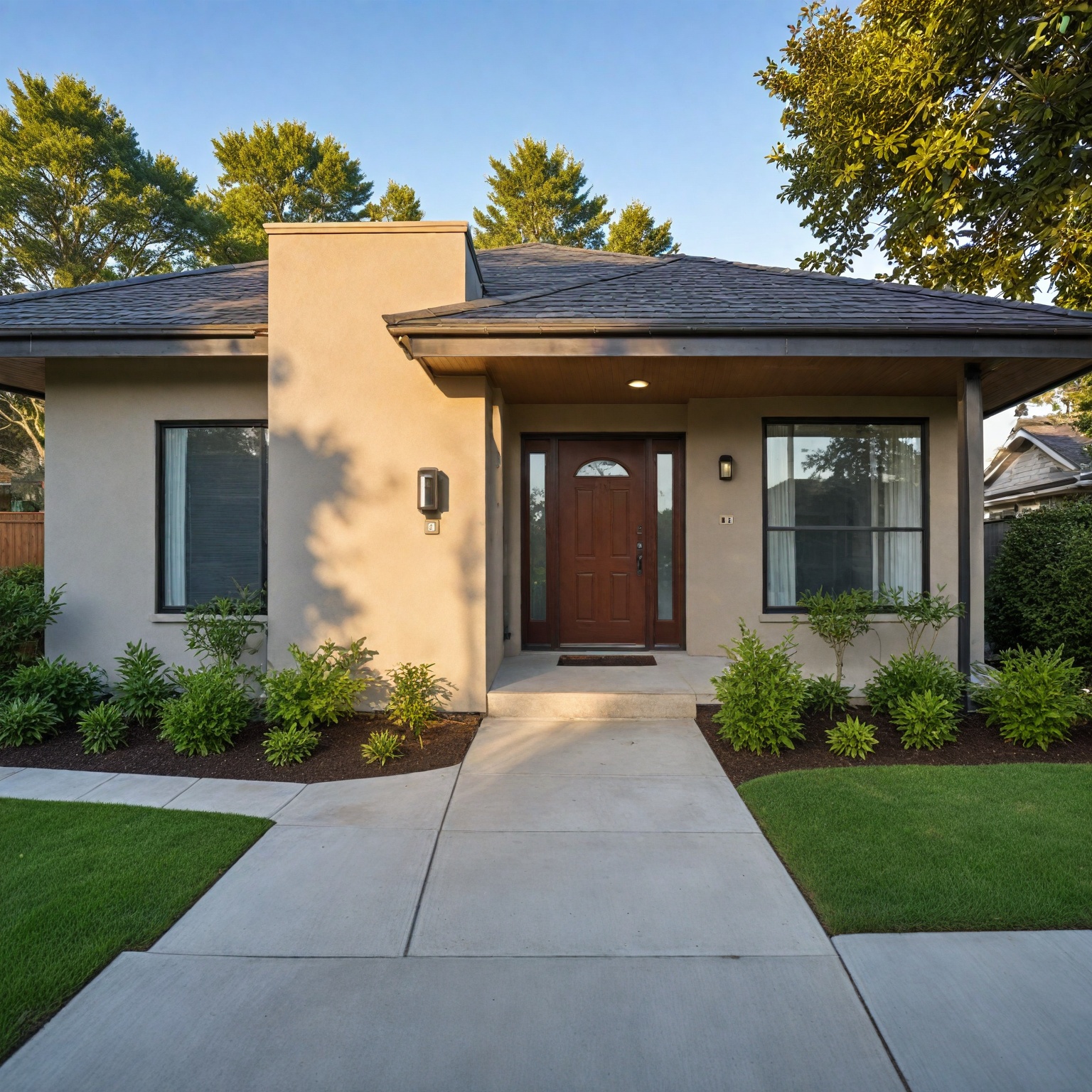
The front door serves as the first line of defense and is an essential area for camera coverage. Cameras mounted at corners or under awnings, angled inward toward the entryway, provide a clear view of people approaching or leaving the home. Using subtle or disguised camera designs, such as video doorbells, can offer discreet monitoring while transmitting real-time footage to mobile devices. This placement also captures the comings and goings of family members, visitors, and service personnel.
Back Door and Backyard
The back door is the second most common point of entry for burglars and requires dedicated surveillance. Cameras should cover the back entrance, yard entrances such as fence gates, and any outbuildings like sheds, which often contain valuable items. Outdoor cameras installed high and unobstructed provide wide views of the backyard area, effectively monitoring for intruders and unusual activity. Ensuring coverage of these locations helps create a comprehensive security network around the home.
Garage and Driveway
Garages, especially those attached to the house, represent vulnerable entry points and should be monitored with security cameras. Many homeowners overlook securing the door between the garage and the home, making it a potential weak link. Cameras positioned to oversee garages and driveways protect vehicles and stored equipment while providing additional coverage of entry routes. Cameras with wide fields of view (at least 130 degrees) are recommended to capture extensive areas and activities in these zones.
Indoor High-Traffic and Monitoring Areas
Indoor cameras are best placed in high-traffic areas such as main rooms, kitchens, and entrances, as well as children’s playrooms and pet favorite spots. One camera per monitored room is generally sufficient, allowing homeowners to keep an eye on household activities, babysitters, pets, and any unexpected intruders. Privacy-sensitive areas like bedrooms and bathrooms should be avoided to respect occupants’ privacy and reduce potential legal issues.
General Placement Guidelines
To maximize coverage, cameras should be angled inward at corners to reduce blind spots and cover multiple angles with fewer devices. Avoiding obstructions and selecting locations with clear sightlines, especially those equipped with night vision capabilities, ensures optimal footage quality. Additionally, cameras should only capture footage of areas owned or controlled by the homeowner to maintain legal compliance and privacy.
By thoughtfully positioning cameras at these strategic points, homeowners can establish an effective surveillance system that protects their property while respecting privacy considerations.
Placement Techniques and Best Practices
Effective placement of security cameras is critical to maximizing surveillance coverage and ensuring the safety of your home. One of the most important strategies involves positioning cameras at the corners of the property, angled inward to capture footage from multiple sides. This approach helps minimize blind spots and provides a comprehensive view of vulnerable areas without requiring an excessive number of cameras.
Height plays a significant role in the effectiveness of camera placement. Mounting cameras at approximately 2.5 meters (around 8 feet) offers an optimal balance—high enough to deter vandalism while providing a broad field of view to cover surrounding areas adequately. For applications requiring facial recognition, such as in business settings, positioning cameras slightly above eye level (five to six feet) enhances identification accuracy by aligning with the average human face height. Additionally, mounting outdoor cameras even higher, around nine feet, can further protect devices from tampering.
Lighting conditions also influence camera effectiveness. Installing cameras where lighting complements their capabilities is essential; consulting with security professionals can help identify locations where natural or supplemental lighting enhances image clarity and motion detection. Cameras should be angled to avoid direct exposure to bright light sources like the sun, which can cause glare and overexposure, thereby degrading footage quality. Moreover, integrating complementary lighting around camera installations improves night-time visibility and motion detection performance.
Selecting the proper mounting surfaces is another key consideration. Cameras should be securely affixed to walls or ceilings with weatherproof and anti-vandal housings, especially for outdoor models exposed to harsh environmental conditions. Positioning cameras to monitor high-traffic entry points such as ground-floor doors, windows, main staircases, and driveways maximizes security coverage where intrusion risks are greatest. For backyard surveillance, cameras should be placed unobstructed and elevated—such as under porches or on high walls—to capture clear views and detect potential intruders effectively.
Integration with Other Home Security Systems
Integrating security cameras with other home security systems enhances overall protection by providing centralized control, automation, and remote monitoring capabilities. Modern smart home systems consist of interconnected devices such as smart speakers, thermostats, lights, door locks, and security cameras, all of which can be controlled remotely to improve convenience and security. By linking security cameras with these systems, homeowners can receive real-time alerts, automate responses to detected activity, and manage their entire security setup from a single platform.
A critical aspect of integration is ensuring device compatibility. Most contemporary security cameras are designed to work seamlessly with popular smart home ecosystems like Amazon Alexa, Google Assistant, and Apple HomeKit, allowing users to operate cameras via voice commands or smartphone apps. Wireless connectivity further facilitates integration by enabling cameras to connect to home Wi-Fi networks without complex wiring, making installation simpler and allowing for remote access.
In addition to cameras, wireless motion sensors play a vital role in integrated security systems. These sensors detect infrared radiation emitted by intruders, triggering alarms and capturing footage, which can deter unauthorized access and provide evidence if needed. Advanced motion detection technologies leverage sophisticated algorithms, machine learning, and multiple sensor inputs to minimize false alarms by accurately differentiating between genuine threats and benign movements such as ceiling fans or pets. Users can customize motion detection settings—including sensitivity and object size thresholds—on a per-camera basis to suit their specific environment and security needs.
When combined with access control technologies, such as code-restricted locks, outdoor security cameras provide an additional layer of defense by monitoring valuable equipment and controlling access to sensitive areas. This holistic integration empowers homeowners to monitor their property remotely from anywhere, ensuring continuous vigilance and the ability to respond promptly to security incidents. Overall, integrating security cameras with other home security components creates a cohesive system that maximizes protection, convenience, and peace of mind.
Technology and Features Supporting Effective Placement
The effectiveness of security camera placement is significantly enhanced by various technological advancements and features designed to optimize surveillance capabilities. One critical aspect is the type of camera used. Pan-Tilt-Zoom (PTZ) cameras, for example, offer dynamic coverage through their ability to move and zoom, covering larger areas with fewer devices compared to fixed-position cameras. These cameras leverage pan, tilt, and zoom functions to capture detailed footage and track movements, while their infrared (IR) technology allows for visibility up to 300 meters in darkness. A subset known as electronic PTZ (ePTZ) cameras provides digital zoom capabilities without physical movement, offering 360-degree coverage and eliminating potential blind spots common with standard PTZ models.
Night vision capabilities also play a vital role in ensuring around-the-clock security. Advanced night vision systems use infrared light to produce clear images in complete darkness. Features such as Smart IR and 3D Digital Noise Reduction (3D DNR) improve the quality of night-time footage, while higher resolution sensors enhance image clarity at low light levels. However, environmental factors like fog, rain, or obstructions on the lens can degrade image quality, making strategic placement and regular maintenance essential for maintaining optimal performance.
The choice between wired and wireless systems impacts camera placement strategies. Wireless cameras offer flexibility but typically require battery power, necessitating ongoing maintenance to ensure uninterrupted operation. Monitoring tools, such as mobile apps, help users keep track of battery life to avoid downtime. Wired cameras, while demanding more effort during installation, often provide more reliable connectivity and power. The placement of wireless cameras also depends heavily on the strength and location of Wi-Fi signals, with considerations needed to avoid connectivity issues, or alternatively, opting for LTE or cellular cameras where Wi-Fi is inadequate.
Image quality remains a foundational concern influenced by both technology and positioning. While analog cameras are durable and low maintenance, their lower image resolution limits their utility for detailed identification tasks such as facial recognition or license plate reading. Modern digital cameras, by contrast, offer higher resolution and advanced features including video analytics, which aid in detecting incidents and enhancing overall security monitoring.
Collectively, these technologies and features support strategic placement by allowing homeowners to tailor camera selection and positioning to the unique layout, lighting conditions, and security requirements of their property, ultimately ensuring comprehensive and effective surveillance coverage.
Maintenance and Regular Review
Proper maintenance and regular review of security cameras
Ethical and Community Considerations
When installing security cameras to safeguard a home, it is essential to balance safety needs with respect for the privacy rights of neighbors and the broader community. Ethical surveillance practices require that cameras be positioned to monitor only the property owner’s own premises and common or public spaces, avoiding areas where individuals have a reasonable expectation of privacy.
Homeowners should avoid directing cameras toward neighboring properties, as capturing footage of private areas such as backyards or windows can infringe on privacy rights and may violate local privacy laws. Even in shared or visible spaces, homeowners associations (HOAs) and landlords often impose specific rules regulating the placement and use of outdoor security cameras to prevent conflicts and maintain community standards.
Legal considerations further complicate the matter, as national, state, and local regulations vary regarding where cameras can be installed and what can be recorded. For instance, recording in places typically considered private—such as bathrooms or inside a neighbor’s home—is strictly prohibited. Additionally, some jurisdictions require clear signage if CCTV surveillance is in use in public or shared areas.
To ensure ethical compliance and foster good neighborly relations, it is recommended to use privacy controls such as adjusting camera angles, narrowing fields of view, or employing masking features to prevent unintended capture of adjacent properties. By adhering to these guidelines, homeowners can protect their property and personnel without encroaching on others’ privacy or sparking disputes within the community.
Challenges and Limitations
When planning the strategic placement of security cameras in a new home, several challenges and limitations must be considered to ensure optimal performance and legal compliance. One major consideration is the choice between analog and digital camera systems. While analog cameras generally have a lower upfront cost and a broader range of design options, they often suffer from lower image quality and limited advanced features compared to digital cameras. Additionally, analog systems require extensive cabling for power and video transmission, increasing installation complexity and costs without necessarily enhancing security effectiveness.
Environmental factors also pose significant challenges. Outdoor cameras need weatherproof housings to withstand elements such as rain, dust, and temperature fluctuations. The operating temperature range of camera electronics can affect their performance and longevity, making it essential to select models suited to the specific climate of the installation site. Poor environmental compatibility can lead to system failures or interruptions in surveillance coverage.
Lighting conditions further complicate camera placement. Inadequate lighting can degrade image quality, impeding facial recognition or license plate identification, yet installing additional lighting may introduce issues such as glare or unintended illumination of hidden cameras. Solutions exist to mitigate these effects, but they require careful planning to balance visibility and concealment.
Another critical aspect is motion detection technology, which plays a vital role in triggering alerts and minimizing false alarms. Despite advancements such as ultrasonic sensors and AI-driven image processing algorithms, challenges remain in accurately distinguishing genuine threats from benign movements like swaying objects. Systems must be calibrated to site-specific conditions to optimize sensitivity without overwhelming users with false notifications.
Legal considerations also limit camera placement options. Privacy laws regulate surveillance, particularly concerning areas with an expectation of privacy, such as neighboring properties or private spaces within a home. Ensuring cameras are installed in plain sight in public or permissible areas, accompanied by proper signage, helps mitigate legal risks. Nonetheless, disputes over privacy concerns are common and must be addressed proactively to avoid conflicts with neighbors or regulatory bodies.
Finally, physical constraints related to the architecture of a building may restrict optimal camera locations. Blind spots created by design features or inaccessible mounting points can reduce system coverage and security effectiveness. Additionally, placing cameras in remote or hard-to-access locations may increase vulnerability to tampering and complicate maintenance efforts.
Case Studies and Examples
One notable case involved the installation of a security camera on a public street that was directed toward a private home. This situation raised significant privacy concerns for the homeowner, who argued that the surveillance constituted an unreasonable invasion of their private space. After thorough legal deliberation, the court ruled in favor of the homeowner, citing the Fourth Amendment’s protections against unlawful searches and surveillance. The decision emphasized that even if the camera was placed in a public location, it is illegal to surveil another person’s private property without consent.
In practical applications, homeowners have found success in strategically positioning outdoor cameras to cover vital entry points and areas prone to intrusion. For example, placing cameras to monitor driveways, attached garages, and front door entryways can significantly enhance security by protecting vehicles, tools, and access routes into the home. The garage is especially critical since many homeowners fail to secure the connecting door adequately, creating a vulnerable entry point.
Another example focuses on protecting auxiliary structures such as garden sheds, which often contain valuable tools and equipment. Installing cameras to cover the backyard entrance and sheds helps deter theft and provides comprehensive surveillance coverage beyond the main house. This approach acknowledges that burglars often seek easy access points such as first-floor windows or poorly secured secondary structures.
Furthermore, an effective security strategy considers the physical characteristics of the property. Burglars tend to target homes with large fences, dense foliage, or outdated doors and windows, which can offer concealment or weak points of entry. As such, security cameras alone do not guarantee safety; homeowners are encouraged to maintain clear sightlines by trimming hedges, upgrading doors and locks, and regularly cleaning camera lenses to ensure optimal functionality.
Together, these case studies and practical examples demonstrate how legal considerations and strategic camera placement contribute to a balanced approach that maximizes home security while respecting privacy rights.
The content is provided by Jordan Fields, Brick By Brick News