Summary
Understanding and maximizing the value of a home is critical for homeowners and potential buyers. The residential property’s value can be influenced by numerous factors such as its age, condition, features, lot size, and the state of the local and national housing markets. Missteps in pricing strategy, the condition of neighboring properties, and the quality of home improvement projects can significantly affect a property’s value and marketability. Common mistakes include overpricing, underpricing, poor workmanship, neglecting market analysis, and emotional pricing. These blunders can result in a property remaining unsold for extended periods or being sold at a suboptimal price.
Real estate agents can play a pivotal role in guiding homeowners to accurately price their properties. They can offer a comprehensive comparative market analysis, which provides a realistic pricing strategy and reduces the risk of overpricing or underpricing a property. A collaborative relationship between a homeowner and their real estate agent can lead to a flexible pricing strategy that considers the unique aspects of the property and adapts to changing market conditions.
The pricing blunders homeowners commit not only affect the sale of their property but can also impact the broader real estate market, especially in a buyer’s market. Sellers who underprice their properties fail to maximize their return on investment. In contrast, overpriced properties may sit on the market for extended periods, becoming a selling point for other homes priced correctly.
To avoid common pricing mistakes, sellers must understand the importance of accurately pricing their property. The assistance of a real estate agent or professional appraiser can be invaluable in conducting a comprehensive comparative market analysis. Additionally, maintaining high-quality workmanship in renovations and repairs, considering curb appeal, and eliminating offensive odors can help sellers avoid reducing their home’s value.
Understanding Home Value
Understanding the value of a home is crucial for both homeowners and potential buyers. This knowledge is pivotal in maintaining or enhancing a property’s market standing. For most people, buying a home is the largest investment they will make in their lifetime. However, many people lack understanding about what contributes to or detracts from their home’s value. Several factors can impact the value of a residential property including its age, condition, features, lot size, as well as the conditions of the local and national housing markets.
One significant factor affecting a home’s value is the pricing at the time of selling. Households often base their asking price on the original purchasing cost of the home, hoping to make a profit. This tendency can result in a “listing premium,” or a price above the prevailing market value. However, if a property is priced too high, it can stay on the market for a prolonged period. This delay often leads potential buyers to perceive an opportunity for negotiation, offering 5% to 10% below the asking price. Accurate pricing can speed up the selling process and prevent wasted time and money.
Another crucial factor that influences home value is the condition of neighboring properties. If a foreclosure occurs close to a property, it can significantly decrease the home’s value. Similarly, messy or poorly maintained neighboring properties can reduce a home’s value by 5% – 10%.
Real estate agents can guide homeowners through the pricing process. Agents can provide a comprehensive comparative market analysis, offering a more accurate pricing strategy compared to relying solely on comparisons to neighboring properties. A collaborative relationship between a homeowner and their real estate agent can result in a well-informed, flexible pricing strategy that caters to the unique aspects of the property. This partnership can maximize profit and adapt to changing market conditions, ensuring that the home is neither overpriced nor underpriced.
Home improvement projects can also enhance a property’s value. Many homeowners undertake projects like bathroom additions, deck construction, or purchasing fixer-uppers, with the expectation of increasing the property’s value. However, not all improvements add value equally. For instance, while many homeowners install pools expecting to recoup the value during the sale, it may not always be the case.
Common Home Value Blunders
Overpricing is a common issue in the real estate market. When a property is listed at a price above its fair market value, it can be easily identified by potential buyers and their agents. This often leads to the property being bypassed in favor of more reasonably priced options. Overpriced properties usually become “shopworn” after sitting on the market for extended periods. Buyers often assume something is wrong with these properties and are only willing to purchase them at a significantly discounted price. This overpricing mistake not only lengthens marketing time but invariably results in a lower selling price than what could have otherwise been obtained.
Underpricing also carries significant risks. While sellers may assume that a lower price will lead to a quick sale or a bidding war, it’s not always the case. Underpricing your property carries the risk of financial loss as selling for less than the market value means you are not maximizing your return on investment.
Poor quality work during builds, renovations, or repairs can significantly reduce the value of your home. These errors, often a result of a contractor or DIY homeowner trying to save money or time, can compromise the quality of your home and lead to necessary repairs that buyers may try to deduct from the list price.
Sellers must pay attention to the local real estate market and consider a comparative market analysis to ensure that the price asked is not unrealistic. The analysis provides useful information about the property and compares it to other properties in the neighborhood, reducing the risk of purchasing or renting a property and increasing the return on investment.
Homeowners often form emotional attachments to their homes, and this can influence the listing price. It’s crucial to separate emotions from the selling process to ensure that the listing price is objective and based on market conditions, rather than personal sentiments.
Avoiding these common blunders can help sellers navigate the complex process of selling a home and potentially increase the chances of a quick sale at an optimal price.
Impact of Price Blunders on Home Selling
Pricing strategy plays a pivotal role when selling a property, as it can either expedite or decelerate the selling process. Properly priced homes have a higher chance of being swiftly bought, whereas overpriced homes tend to stagnate on the market. For instance, an overpriced home in Phoenix sat on the market for four months without any showings. When the sellers finally decided to lower the price to match other homes in the area, the market value had already declined. This underlines the complexity of property pricing and the potential for sellers to make costly mistakes.
Price blunders, however, do not only affect sellers. They can also influence the dynamics of the real estate market, especially in a buyer’s market. In such cases, property underpricing is a less frequent occurrence as multiple buyers will recognize the attractive price. Still, the risk of financial loss is inherent in underpricing a property. Sellers who undersell their homes fail to maximize their return on investment.
Regardless of the market dynamics, it is critical for sellers to understand the importance of accurately pricing their property. Steering clear of common pricing mistakes can enhance the chances of making a quick sale and obtaining the highest possible financial gain. For this reason, it is highly recommended for sellers to conduct a comprehensive comparative market analysis with the assistance of a real estate agent or a professional appraiser.
How to Avoid Common Price Blunders
When selling a home, it is important to avoid common pricing mistakes that can slow down the selling process or decrease the home’s value .
Real estate market analysis and comparative market analysis (CMA) can assist sellers in setting a realistic price based on the value of similar properties in the area .
Poorly executed renovations and repairs can negatively impact the value of a home . Prospective buyers may attempt to negotiate a lower price to account for the cost of rectifying these issues . Therefore, it’s crucial to ensure high-quality workmanship in any build, renovation, or repair process.
A market analysis helps identify opportunities, evaluate risks, and increase the return on investment (ROI) . It can provide a comprehensive view of the supply and demand of properties in a specific region and aid in the decision-making process .
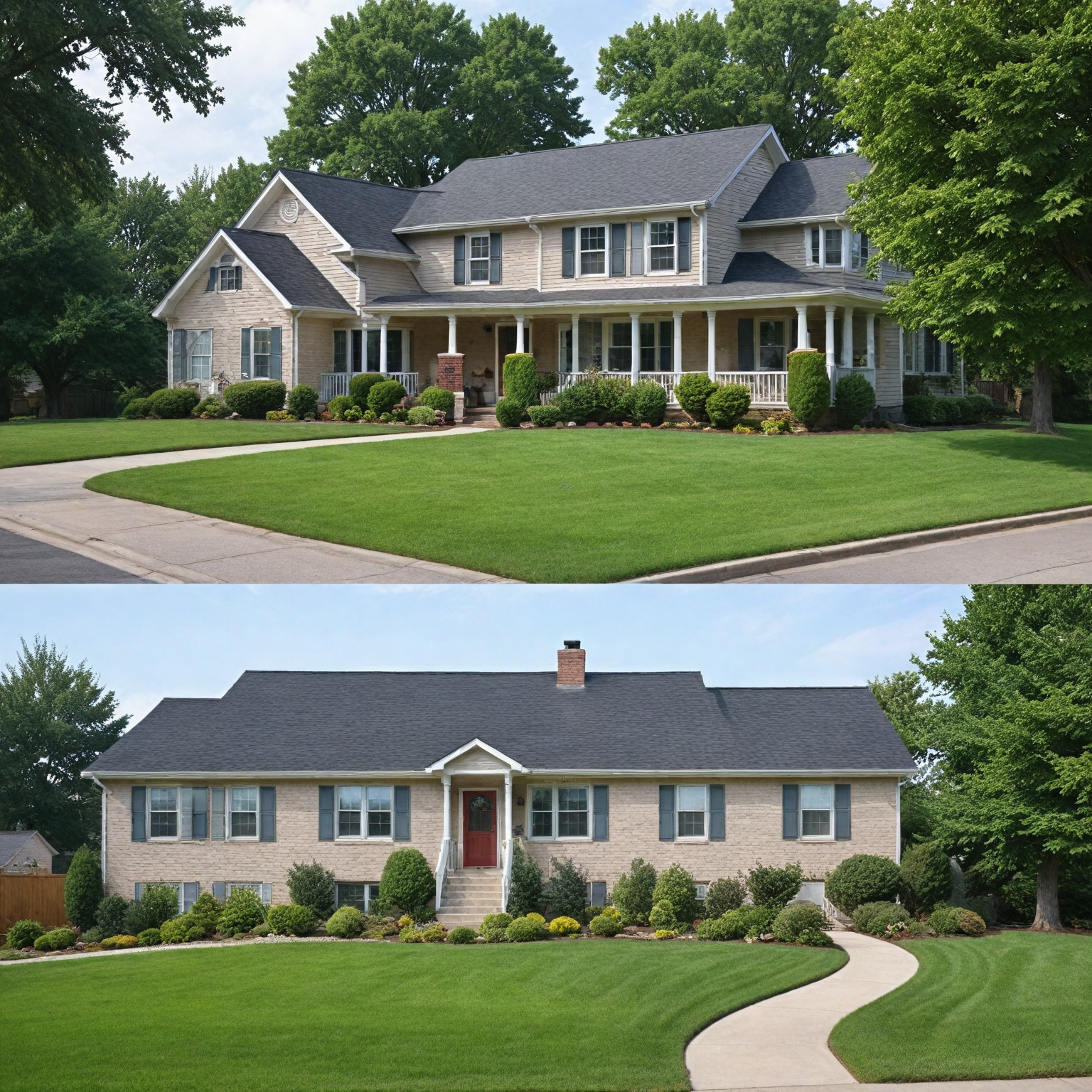
Neglecting the curb appeal of a home can decrease its attractiveness to potential buyers, impacting the selling price . A well-landscaped yard can enhance the curb appeal of a home, influencing buying decisions, and possibly leading to a higher selling price .
Offensive odors in a home can have a significant impact on its value . It’s crucial to identify the source of any foul smell and eliminate it, rather than attempting to mask it with fragrances. This not only improves the overall impression of the home but also prevents any potential reduction in its value due to unpleasant odors .
The content is provided by Blake Sterling, Brick By Brick News