Summary
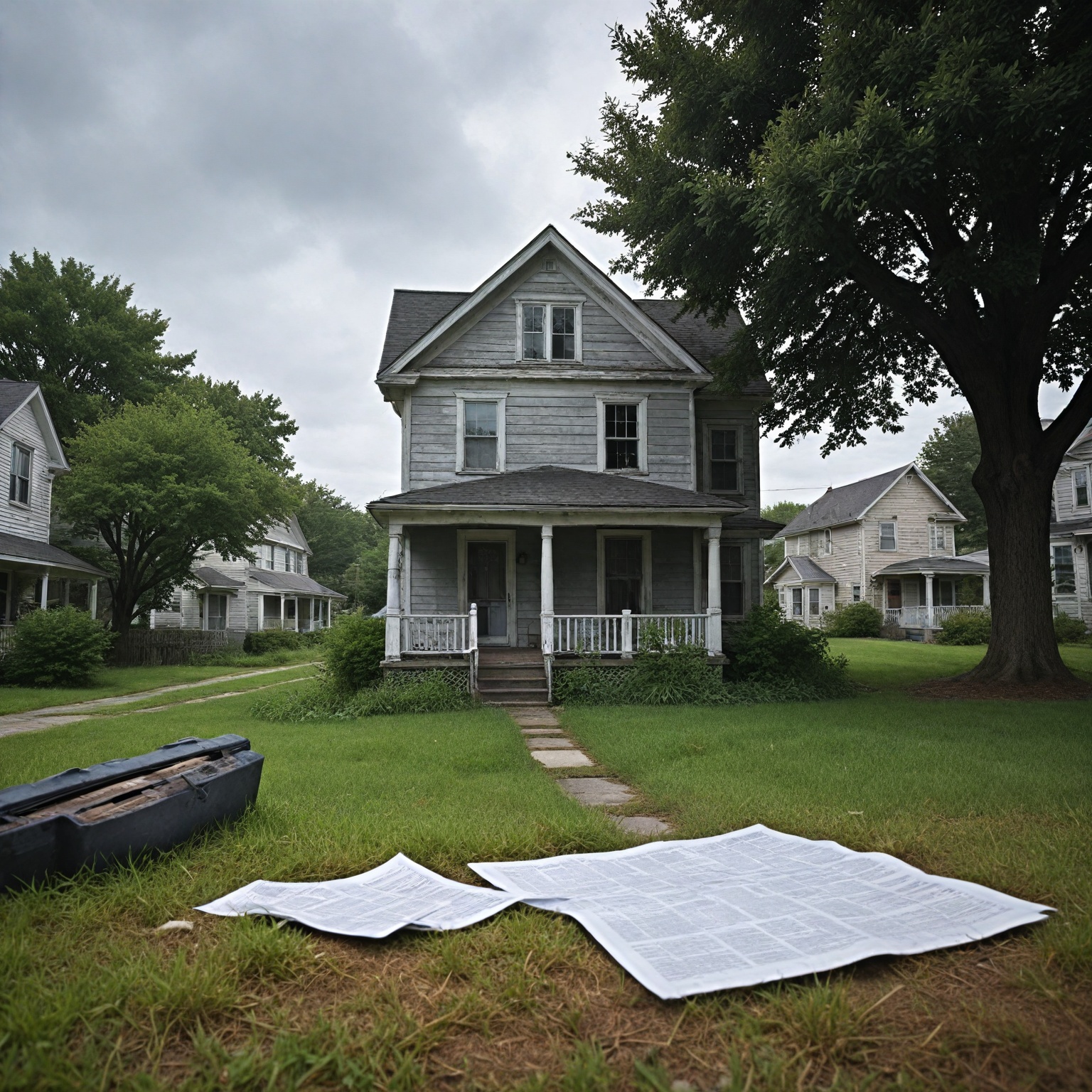
A condemned house is a property officially declared unsafe or uninhabitable by local government authorities due to violations of building codes, health hazards, or structural deficiencies that pose risks to occupants and the community. This designation restricts legal occupancy and often arises from prolonged neglect, severe damage, or failure to meet safety standards. Condemnation differs from foreclosure, as it pertains to the condition of the property rather than financial delinquencies.
Selling a condemned house is legally permissible but involves complex challenges, including mandatory disclosure of the property’s condemned status and any known defects. Failure to disclose these issues can lead to significant legal liabilities, such as lawsuits for fraud or contract rescission. The market for condemned properties is limited, with most buyers being cash purchasers or real estate investors willing to assume the risks and costs of renovation or demolition.
Pricing such properties typically reflects their condition and the potential expenses for repair or demolition, often valuing the land more than the structure itself. The sales process can be lengthy and requires careful navigation of local regulations, legal obligations, and buyer concerns. Given these complexities, professional legal and real estate advice is highly recommended for sellers to protect their interests and comply with applicable laws.
Controversies surrounding condemned houses often involve disputes over the accuracy of condemnation, the fairness of property valuations, and the adequacy of disclosure during sale negotiations. Additionally, homeowners may face significant financial burdens in addressing code violations or may seek alternatives such as government buyouts or property auctions. Understanding these issues is crucial for anyone considering selling a condemned property.
Understanding Condemned Houses
A condemned house is a property that local government authorities have officially declared unsafe or uninhabitable due to violations of housing codes or the presence of safety hazards that prevent legal occupancy. This designation typically arises when the property fails to meet local building, health, or safety regulations, posing risks to residents and the community. Common reasons for condemnation include structural deficiencies, health hazards, prolonged vacancy, or damage from vandalism.
The authority to condemn properties generally resides with local government agencies such as building or health departments, which enforce relevant codes to protect public safety. In some cases, state or federal agencies may also exercise condemnation powers when broader public health concerns are involved. Once a property is identified as noncompliant, the owner is usually notified about required corrections and given a timeframe to achieve code compliance. Failure to make necessary repairs can result in penalties and ultimately condemnation.
It is important to distinguish condemnation from foreclosure, as the two involve different issues. Foreclosure pertains to missed mortgage payments, while condemnation relates to the physical condition of the property. A homeowner may remain current on their loan but still have their property condemned if it is deemed dangerous by authorities.
Legal processes surrounding condemned properties can involve courts, particularly when disputes arise regarding the condemnation itself or related matters such as valuation in eminent domain cases. Courts ensure that property owners receive just compensation or that proper procedures are followed during condemnation proceedings. Consulting experienced legal professionals can be beneficial in navigating these complex issues and protecting property rights throughout the condemnation process.
Legal Aspects of Selling a Condemned House
Selling a condemned house involves navigating several complex legal considerations that are distinct from standard real estate transactions. Primarily, a condemned property is one that has been declared unsafe or uninhabitable by local authorities due to severe structural issues, code violations, or hazardous conditions. The authority to condemn a property generally rests with local government agencies such as building or health departments, which enforce housing, building, and safety codes aimed at protecting public welfare.
One of the most critical legal obligations for sellers is the requirement to disclose the condemned status and any known defects or violations related to the property. Almost every state mandates that sellers provide full disclosure of the condemnation, structural issues, safety hazards, and any specific violations cited by authorities. Disclosure is typically made through a formal disclosure form presented to buyers at closing, detailing the condition of the property and any defects. Proper disclosure not only informs buyers but also protects sellers from potential lawsuits alleging fraud or misrepresentation.
Failure to disclose known issues can lead to significant legal consequences. Buyers who discover undisclosed defects after purchase may seek remedies such as contract rescission, monetary damages, or specific performance. In cases where nondisclosure amounts to intentional fraud, punitive damages may also be awarded. Moreover, real estate agents and brokers involved in the transaction can also face liability for failing to disclose material information. Sellers who omit known defects risk lawsuits that can result in paying for repairs, damages, and the buyer’s legal costs.
Legal jurisdiction over enforcement and disputes related to condemned properties often lies with courts where condemnation proceedings were initiated. In some states, laws outline specific procedural rules and exceptions concerning disclosure and enforcement. Additionally, in eminent domain cases involving condemnation, courts strive to ensure just compensation for the property owner, balancing equitable fairness with property law principles.
Given these complexities, consulting experienced legal professionals is highly recommended for both sellers and buyers dealing with condemned properties. Legal guidance can help clarify disclosure requirements, protect ownership rights, and navigate potential appeals or corrections needed to remove condemnation status.
Market Considerations for Condemned Houses
Selling a condemned house presents unique market challenges that differ significantly from typical real estate transactions. One of the primary issues is the limited pool of potential buyers, as many traditional homebuyers and lenders are reluctant or unable to finance properties in condemned condition. Mortgages are generally unavailable, which narrows the market mostly to cash buyers and real estate investors who are equipped to handle the risks and costs associated with these properties.
Pricing a condemned house requires careful evaluation. Sellers must realistically set a price that reflects the property’s condition, factoring in substantial repair costs or demolition expenses. Because of the high risks and financial burdens on buyers, offers are typically below the usual market value. This discount attracts investors who see potential in renovating, rebuilding, or redeveloping the land. In many cases, the land’s value becomes the principal consideration since the existing structure may be uninhabitable or even hazardous.
Real estate investors often specialize in purchasing condemned properties to renovate them for profit or to tear down structures and sell the land to developers. These investors are familiar with the legal and financial complexities involved, including compliance with local regulations and managing fines or back taxes that might be associated with the property. For sellers lacking the resources or time to repair, selling “as-is” to cash buyers or investors is often the most practical route, providing a quicker and less stressful transaction.
Another key market consideration is the legal obligation to disclose the condemned status and any known defects. Almost every jurisdiction mandates full disclosure of the property’s condition, violations, and safety hazards. Failure to do so can lead to lawsuits for fraud, rescission of sale contracts, or monetary damages, which can further complicate and delay the sale process.
Finally, the sales process itself may be more prolonged and resource-intensive than conventional home sales, as negotiations must address buyers’ concerns about rehabilitation costs, legal compliance, and financing limitations. Sellers should be prepared for these challenges and consider engaging professionals experienced with distressed properties to navigate the transaction effectively.
Selling Process for Condemned Houses
Selling a condemned house involves navigating a complex process that differs significantly from standard real estate transactions. Homeowners must first understand that while selling a condemned property is legal in most jurisdictions, it comes with unique challenges related to legal disclosures, pricing, and finding suitable buyers.
Legal Disclosure and Responsibilities
Sellers are generally required by law to fully disclose the condemned status of the property to potential buyers. This includes providing documentation such as the official condemnation notice, detailed explanations of the issues leading to condemnation, and information about any restrictions on repairs or occupancy. Failure to disclose such critical information can result in legal liability, including claims for damages, contract rescission, or punitive penalties if the nondisclosure is found to be fraudulent. Sellers should consult legal professionals to ensure compliance with local and state disclosure requirements and to protect themselves from future litigation.
Identifying the Right Buyers
The pool of buyers for condemned properties is generally limited to investors, developers, or cash buyers who specialize in distressed or uninhabitable properties. These buyers often view condemned houses as opportunities for renovation, redevelopment, or demolition and land reuse. Cash buyers are particularly attractive to sellers seeking a quick, as-is sale without the burden of repairs or lengthy negotiations. Traditional homebuyers and mortgage lenders typically avoid condemned homes due to their condition and legal encumbrances, making investor markets the primary avenue for sale.
Pricing and Sale Options
Setting a fair price for a condemned house requires factoring in the property’s land value, the cost of demolition or necessary repairs, and the market demand for distressed properties. Since the structure itself is often deemed uninhabitable, the value is usually derived largely from the land. Sellers may consider various sale methods, including private sales to investors, auctions, or working with real estate agents experienced in distressed properties. Auctions can provide a faster sale but come with risks and require thorough understanding of local rules and potential returns. Working with specialists or investors can help maximize the sale price while minimizing the seller’s involvement in repair or legal complexities.
Preparing for the Sale
Before listing the property, sellers should gather all relevant legal documents, condemnation notices, and repair or demolition cost estimates to present a transparent picture to prospective buyers. Engaging a real estate professional with expertise in condemned or distressed properties can streamline the process and help navigate local regulations and market conditions. In some cases, repairing the property to meet minimum living standards before sale may increase marketability, but this requires careful cost-benefit analysis to ensure the investment yields a favorable return.
Obligations and Restrictions on Homeowners with Condemned Properties
When a property is condemned, homeowners face specific obligations and restrictions imposed by local authorities to ensure safety and compliance with housing codes. Typically, the local government will notify the property owner of the reasons for condemnation and specify the corrections or repairs needed to make the home habitable again, along with deadlines for completing these actions. This notification process often involves multiple inspections by the condemning authority, providing the homeowner with opportunities to address the violations or hazards identified.
Homeowners have several rights during this process, including the right to be informed about the exact causes of condemnation, access information on assistance programs for repairs, and the right to a fair hearing if they choose to appeal the condemnation decision. However, failure to take appropriate corrective measures within the given timeframe can lead to monetary assessments, penalties, or continued condemnation of the property by the government.
Financially, undertaking the required repairs can be a significant burden, especially when structural issues like foundation damage are involved. Often, the cost of making a condemned home safe and livable is substantial, and in some cases, may outweigh the property’s value. If repairs are not feasible or economically justifiable, owners might consider selling the property “as-is,” typically at a much lower price to account for the home’s condition and the anticipated costs a buyer would face, such as demolition and debris removal.
It is also important to note that most states have legal requirements mandating sellers to disclose the condemned status and any known defects to potential buyers. Sellers must provide buyers with all relevant documentation, including official city notices, and clarify whether repairs have been made or allowed. These obligations help ensure transparency in transactions involving condemned properties and protect buyers from unforeseen risks.
Alternatives to Selling a Condemned House
If selling a condemned house is not a preferred option, homeowners have several alternatives to consider. One possibility is to undertake necessary repairs to bring the property up to code and make it habitable again. This process often involves working closely with local government offices to demonstrate a commitment to fixing the house, which may allow the homeowner to avoid demolition and potentially restore the property’s value. However, repair costs can be substantial, especially if major structural issues, such as foundation damage, are involved.
Another alternative involves negotiating with the government under eminent domain laws. When a property is condemned due to safety concerns, the government may choose to take ownership to prevent occupancy in hazardous conditions. In such cases, homeowners can negotiate for just compensation based on the fair market value of the property rather than contesting the condemnation itself. Legal experts often recommend seeking experienced representation to ensure equitable outcomes during these negotiations.
For properties seized by local authorities, especially when the home is beyond repair, demolition may be the only viable path forward. While the homeowner might be responsible for demolition costs, selling the property as-is transfers these expenses to the buyer, often a cash purchaser interested in the land rather than the structure.
Finally, some condemned or distressed homes are auctioned by government agencies, providing an opportunity for buyers to purchase at discounted prices. While this option is typically more relevant for buyers, homeowners facing foreclosure or property seizure might explore auction sales as part of the disposition process.
The content is provided by Jordan Fields, Brick By Brick News