Summary
Transforming a Troublesome Property into a Lucrative Sale: The Ultimate Guide to Selling a Fixer-Upper Home provides a comprehensive overview of the unique challenges and opportunities involved in selling homes that require renovation. A fixer-upper is typically a livable property that needs maintenance, redecoration, or structural repairs, often sold at a lower price to attract buyers willing to invest in improvements. These homes appeal to diverse buyers including budget-conscious individuals seeking affordable entry into desirable neighborhoods and real estate investors focused on renovation and resale profit.
The guide explores critical aspects of selling fixer-uppers, such as accurately assessing property value, deciding whether to renovate before selling or sell “as is,” and the importance of full disclosure regarding defects to avoid legal issues. It also details effective marketing strategies tailored to attract investors and cash buyers, who increasingly dominate this niche market, with cash offers enabling faster closings and fewer contingencies. The text emphasizes realistic pricing strategies based on After Repair Value (ARV) and renovation cost estimates to balance maximizing returns with attracting qualified buyers.
Financing considerations for renovation projects, including specialized renovation loans and the use of personal savings or hard money loans, are examined to assist buyers in managing costs and timelines effectively. The guide also addresses common renovation challenges—such as unforeseen structural problems and budget overruns—and offers practical advice on prioritizing repairs and selecting projects with the highest return on investment (ROI). Collaborating with real estate professionals, contractors, and appraisers is highlighted as essential to navigate the complexities of the fixer-upper market successfully.
While fixer-uppers offer significant profit potential, the process involves navigating risks including hidden damages, financing hurdles, and market fluctuations. This guide synthesizes expert insights and industry data to equip sellers and buyers with the knowledge necessary to transform troublesome properties into profitable sales.
Understanding Fixer-Upper Homes
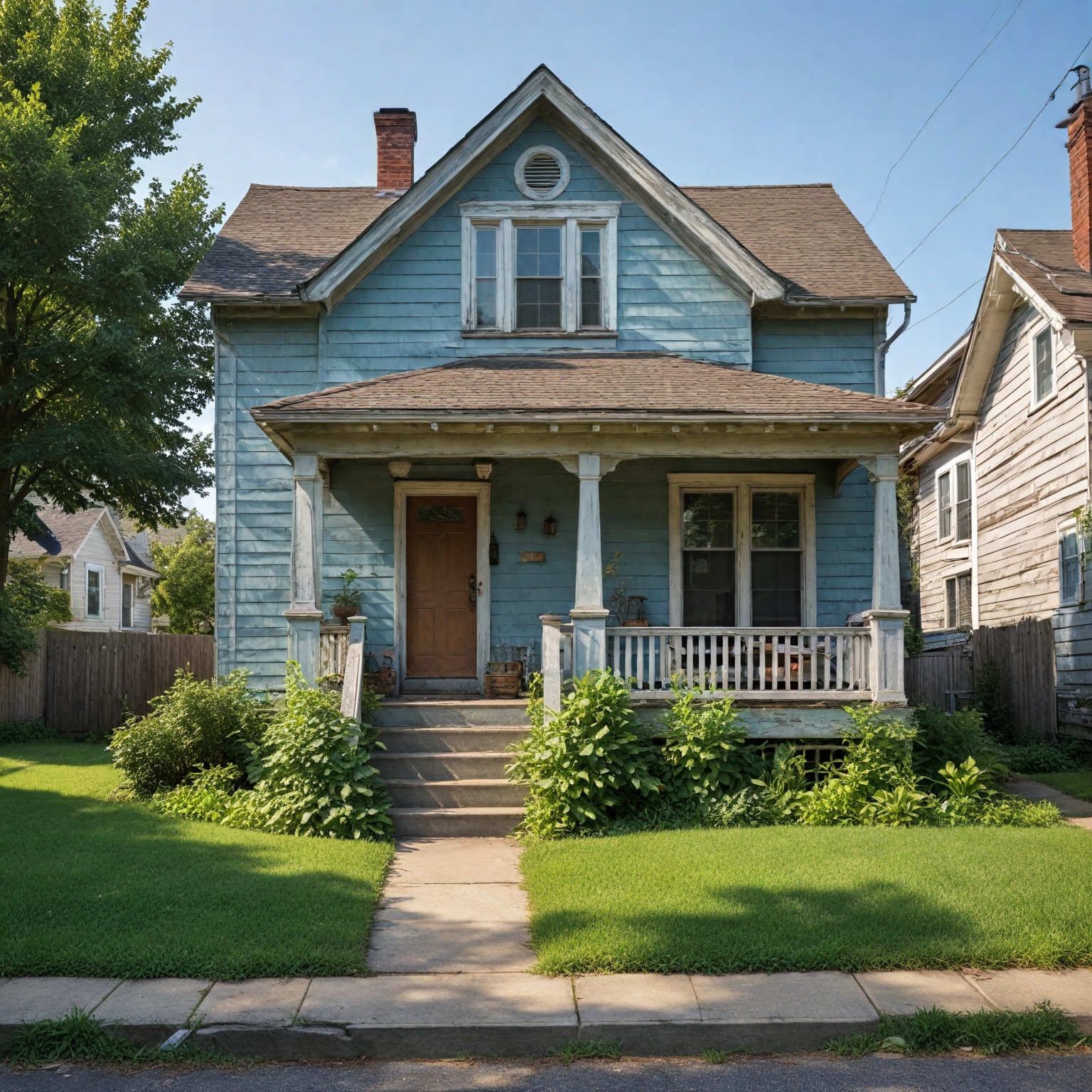
A fixer-upper is typically a home that, while usually livable, requires maintenance work such as redecoration, redesign, or reconstruction and is often sold at a lower purchase price. These properties are attractive to buyers who seek more house for their money or investors interested in renovating and flipping the property for profit. According to the Cambridge Advanced Learner’s Dictionary, a fixer-upper is a house not in good condition that is purchased with the intention of improving it to increase its value.
Fixer-uppers may present a variety of challenges, from cosmetic issues like outdated paint and flooring to significant structural problems including foundation damage or roofing failures. Buyers need to carefully distinguish between these issues since cosmetic repairs are generally manageable and can enhance a home’s potential, while major structural problems can substantially increase renovation costs and affect overall feasibility. Common concerns include stucco siding cracks that allow water intrusion, foundation issues detectable in basements, and hidden damages such as mold behind walls or subfloor deterioration uncovered during renovations.
The extent of renovations often depends on the buyer’s priorities and budget, with projects ranging from exterior repairs like roofing and gutters to interior updates involving walls, flooring, and decoration. Renovation efforts may also uncover unexpected complications, such as water damage from leaks or plumbing failures, which can escalate costs and delays.
Different types of buyers are drawn to fixer-uppers for various reasons. Budget-conscious “deal hunters” may seek homes needing only minor repairs to enter preferred neighborhoods affordably, while investors focus on properties that can be renovated and resold for profit. Understanding the motivations and expectations of these buyers is critical when marketing a fixer-upper property.
Financing renovations is another important consideration. Most homeowners use cash savings to fund improvements, with credit cards and secured loans as secondary options. However, buyers must carefully evaluate the potential resale value and neighborhood standards to avoid over-improving beyond what the market will support. Overall, while fixer-uppers can represent valuable opportunities, successful transactions depend on thorough evaluation, realistic budgeting, and clear knowledge of renovation challenges.
Challenges in Selling Fixer-Upper Properties
Selling a fixer-upper property presents several distinct challenges that sellers must navigate to achieve a successful transaction. One of the primary difficulties lies in accurately assessing the home’s value, especially when substantial repairs or renovations are required. Sellers often underestimate the costs associated with fixing the property, which can lead to unrealistic listing prices that deter potential buyers. Consulting an appraiser specializing in fixer-uppers can provide a more precise valuation, particularly if the home remains livable and attracts buyers who may seek independent appraisals to evaluate risk and worth before purchase.
Another significant challenge is deciding whether to invest in renovations before selling or to sell the property “as is.” Selling without performing repairs typically necessitates a price reduction to entice buyers, especially those who prefer move-in-ready homes over major overhauls. The condition of the property restricts the target audience; livable fixer-uppers may appeal to a broader range of buyers except those looking for turnkey options, while severely distressed homes often attract primarily investors or deal hunters interested in renovation and resale.
Transparency with buyers regarding the property’s condition is critical. Most states legally require sellers to disclose known issues that could affect the property’s value or desirability, such as structural damages or foundation cracks. Failure to provide full disclosure can complicate negotiations or result in legal repercussions. Additionally, renovation projects come with inherent unpredictability, including unforeseen challenges like plumbing or electrical issues, which can complicate the decision to renovate before selling.
From a marketing perspective, understanding buyer motivations is essential. Deal hunters usually seek homes requiring only minor repairs to live in preferred locations at a lower cost, while investors might be attracted to properties offering potential for substantial profit through renovation and resale. Aligning pricing strategies to appeal to cash buyers and local investors can expedite the sales process, but this often means accepting offers below market value to compensate for renovation risks and costs.
Finally, sellers must consider contingencies such as inspection and appraisal clauses in purchase offers. These contingencies protect buyers by allowing withdrawal or renegotiation if inspections reveal major issues or appraisals come in below the offer price. However, inspection reports typically focus on the home’s structural integrity and may not account for cosmetic renovations, which can further complicate negotiations and pricing. Balancing these challenges requires strategic planning, clear communication, and realistic expectations to transform a troublesome property into a lucrative sale.
Preparing to Sell a Fixer-Upper
Before putting a fixer-upper on the market, it is crucial to thoroughly evaluate the property and prepare appropriately to maximize its appeal and value. Sellers should start by clearly understanding the intended use of the property, whether it is for resale as-is or after renovation, as this will guide pricing and marketing strategies. Engaging a qualified home inspector and contractor to assess the home’s condition and estimate repair costs is essential. This professional evaluation helps identify the scope of work needed and informs a realistic renovation budget, which can be substantial depending on the property’s size and condition.
An accurate assessment of the home’s value is vital. Sellers often underestimate renovation costs, which can lead to an inflated listing price that deters potential buyers. Consulting an appraiser experienced with fixer-uppers can provide a clearer picture of the property’s worth and risks, especially when the home is livable but requires significant repairs. Transparency with buyers about the home’s condition, including any structural issues such as foundation damage, is not only ethical but legally required in most states. Disclosing all known defects builds trust and prevents future disputes.
When budgeting for renovations, sellers should categorize repairs into structural, functional/systemic, and interior updates. Structural repairs, such as roof replacement ($5,601 to $11,729) and window replacement ($175 to $1,800 each), typically take priority due to their impact on safety and livability. Functional renovations involve critical systems like plumbing and electrical work, while interior updates address aesthetics and design. For example, a full kitchen remodel can range between $25,000 and $40,000, and a bathroom renovation can cost $10,000 to $25,000. It is wise to allocate extra funds beyond initial estimates to accommodate unexpected expenses and delays.
Sellers who prefer to market their fixer-upper “as is” should adjust their price to reflect the home’s condition and the limited buyer pool attracted to properties needing major work. Buyers in this market are often investors or DIY enthusiasts willing to take on substantial repairs, but typical homebuyers usually only consider homes requiring minimal updates. Highlighting the property’s unique features and potential during marketing can attract the right audience and justify the asking price despite the home’s flaws.
Marketing Strategies for Fixer-Upper Homes
Selling a fixer-upper home requires a tailored marketing approach that highlights the property’s potential while addressing the unique challenges these properties present. Unlike turnkey homes, fixer-uppers often appeal to a niche market that includes investors, buyers seeking customization, and those looking for starter homes at a lower cost.
Pricing and Target Audience
Strategic pricing is crucial when marketing a fixer-upper. Pricing the property too high may deter potential buyers, while pricing it too low could reduce the seller’s return on investment. The goal is to balance attracting the right buyers and maximizing profit by emphasizing the home’s renovation possibilities rather than its current condition. Fixer-uppers generally attract investors or buyers willing to invest time and effort into repairs, rather than those looking for move-in-ready houses.
Highlighting Potential and Transparency
Effective marketing should focus on showcasing the unique features and renovation potential of the property. Sellers are encouraged to be upfront and transparent about existing issues, as most states require disclosure of problems that could affect value or desirability, such as foundation damage. Transparency helps set realistic expectations and avoids complications during the sales process. Emphasizing the opportunity for customization and value addition can entice buyers looking for a project or investment opportunity.
Attracting Cash Buyers and Investors
In recent years, all-cash purchases have risen significantly, with 26% of home buyers making cash offers in 2024. Cash sales provide advantages to sellers, including faster closings—often within two weeks—and fewer contingencies related to inspections or appraisals, which can be particularly beneficial for fixer-upper sales. Working with local investors or businesses specializing in distressed properties can speed up the selling process and ensure fair offers, especially when a quick sale is desired.
Marketing Channels and Presentation
Marketing efforts should leverage various channels to reach the targeted buyer demographic effectively. Online listings should include before-and-after conceptual images or renderings to help buyers envision the completed renovation. Highlighting location benefits, neighborhood potential, and investment returns can also increase appeal. Professional photography and detailed descriptions that focus on the property’s strengths and possible transformations are essential tools for attracting serious buyers.
Leveraging Market Trends and Renovation Interest
The growing interest in home renovations, with spending topping $600 billion recently, indicates strong buyer motivation towards upgrading kitchens, roofs, and other key areas. Sellers can capitalize on this trend by aligning marketing messages with current renovation priorities and emphasizing the home’s suitability for such improvements. Real estate agents play an important role in advising sellers on which upgrades might enhance resale value and how to best present these opportunities to buyers.
Pricing Strategies for Fixer-Upper Properties
When pricing a fixer-upper, determining the After Repair Value (ARV) is a critical first step. According to Nick Ron, founder and CEO of House Buyers of America, a reliable formula to calculate the maximum offer price is: 65% to 85% of the ARV minus the estimated repair costs. For example, if a property’s ARV is $305,000 and it requires $50,000 in repairs, the maximum offer price would fall between $148,250 and $209,250. Establishing these figures early can help streamline negotiations and facilitate a faster closing process.
Selling a fixer-upper without completing renovations is possible but may require a price reduction to attract buyers, especially if the property is not livable in its current state. Typical homebuyers often prefer properties needing only minor, superficial repairs rather than major structural work, unlike investors who are prepared to handle extensive renovations.
In high-priced markets such as Southern California, fixer-uppers present an opportunity to purchase properties at lower price points and significantly increase their value with strategic improvements, resulting in a profitable return on investment. However, buyers must carefully plan renovations and consider their financial options before committing to such projects.
To achieve a quick sale, pricing strategies should appeal to cash buyers and local investors specializing in distressed properties. Engaging with these groups can expedite the selling process and help secure fair offers. Additionally, conducting a cost-benefit analysis of potential renovations before listing the property can help sellers decide which improvements are worthwhile and likely to increase the asking price. It is important to note that some upgrades, such as replacing windows, may be expected by buyers but do not always translate into a higher resale value, whereas neglecting them could reduce the home’s appeal.
Renovation Options Before Selling
When preparing a fixer-upper home for sale, choosing the right renovation options is crucial to maximizing return on investment (ROI) and attracting potential buyers. Renovations can range from minor cosmetic updates to major structural repairs, and understanding their implications can help sellers make informed decisions.
Assessing Renovation Needs
Before beginning any work, it is important to differentiate between cosmetic issues and significant structural problems. Cosmetic updates—such as painting, flooring replacement, or landscaping—can enhance a home’s appeal without incurring excessive costs. In contrast, major structural concerns like foundation damage or roof replacement often require substantial investment that may not be recouped upon sale. Buyers typically expect the home’s fundamental systems—roof, heating, electrical—to be sound, as these impact the property’s integrity and value.
Sellers should also anticipate that cosmetic fixes may uncover underlying issues. For example, replacing flooring might reveal subfloor damage, or window replacement may require reframing. Similarly, mold behind shower walls or improper grading in landscaping can add to renovation scope and costs. Maintaining open communication with contractors and remaining flexible with plans helps manage these challenges.
High-ROI Renovation Projects
Certain improvements consistently provide high returns and can make the property more attractive to buyers. Kitchen renovations, even minor ones such as refacing cabinets and updating appliances, often yield an ROI of 70%–80%. Similarly, enhancing curb appeal through landscaping, fresh mulch, or installing a new front door can significantly boost first impressions and resale value.
Adding or upgrading a composite deck is another valuable option, with an average ROI of 89% to 122%, depending on materials and design. Energy-efficient upgrades like new windows, improved insulation, or solar panels appeal to modern buyers by offering long-term savings on utilities while increasing home value.
Balancing Budget and Market Expectations
While investing in renovations can increase a home’s desirability, it is important not to over-improve relative to the neighborhood. Luxury or highly specialized additions—such as custom media rooms or recording studios—may not appeal to a broad market and could negatively affect resale potential. Instead, focusing on practical, broadly appealing improvements maximizes marketability.
Sellers may also consider undertaking smaller, do-it-yourself projects such as repainting or landscaping enhancements to reduce costs and improve ROI. Basic yard care, including cutting grass, controlling weeds, and spreading mulch, can make a noticeable difference in curb appeal without a significant financial commitment.
Strategic Planning and Market Considerations
Effective renovation planning involves evaluating the local real estate market and adjusting projects accordingly. Costs, competition, and demand for contracting services vary by region and can influence both renovation expenses and potential sale price. Utilizing comparable home prices can assist in setting renovation budgets that do not price the home above market expectations.
Ultimately, successful renovations before selling a fixer-upper require balancing improvement costs with anticipated added resale value, remaining adaptable to unforeseen issues, and selecting projects that enhance the home’s appeal while fitting the
Financing Considerations
When planning to renovate and sell a fixer-upper home, securing the right financing is a critical step that can significantly impact the success and profitability of the project. Various loan options and funding methods exist, each with distinct advantages and considerations depending on the buyer’s financial situation and investment goals.
Types of Financing for Fixer-Uppers
One popular approach for homeowners who already own their property is to obtain loans specifically designed for renovations. These loans provide credit based on the future value of the home after improvements, rather than on the current value, making them ideal for financing the renovation phase rather than the home purchase itself. For instance, personal loans can be used to fund home improvements without requiring the property as collateral, offering quicker access to funds—a feature particularly beneficial to real estate investors aiming to expedite rehab projects.
Another common financing route is through renovation loans or fixer-upper loans, which combine the purchase price and renovation costs into a single mortgage. The FHA 203(k) loan, a government-backed option, allows buyers to finance both the acquisition and repair of a home, making it especially attractive for first-time buyers planning to live in their renovated property. These loans often require special appraisals to estimate the home’s post-renovation value and may necessitate using approved contractors for the work.
Hard money loans are also favored by investors for their ability to provide quick funding, enabling buyers to act swiftly in competitive markets. These loans are typically short-term and backed by the property itself, often at higher interest rates, but they serve well for flipping properties or when traditional financing is unavailable.
Considerations When Choosing Financing
It is important for buyers to carefully evaluate their financing options and consider how each aligns with their renovation plans and timelines. Rolling renovation costs into a mortgage can simplify payments but may involve additional fees or longer approval processes. Conversely, using cash savings remains the most common method to fund renovations, with 83 percent of home improvement projects in the U.S. being paid for with personal savings, followed by credit cards and secured loans.
Investors and DIY-savvy homebuyers should also account for the property’s purchase price relative to the expected renovation expenses and potential resale value. Fixer-uppers often come at a discounted price, providing opportunities to enter desirable neighborhoods or increase value significantly through improvements. However, securing adequate funding and maintaining a strict budget are essential to avoid financial pitfalls during the renovation process.
Lastly, some loans and financing programs require additional steps such as approved contractor involvement or special appraisals, which can affect project timing and eligibility. Consulting with financial advisors or mortgage specialists can help determine the best loan product tailored to the buyer’s specific needs and investment strategy.
Working with Real Estate Professionals
When selling a fixer-upper or distressed property, collaborating with real estate professionals can greatly enhance the selling process. Real estate agents, appraisers, contractors, and other specialists bring valuable expertise that can help accurately assess the property’s condition, price it appropriately, and market it effectively to the right buyers.
A key first step is to be honest with your real estate agent about the extent of renovations you are willing or able to undertake, as well as the level of repairs the property requires. This transparency allows the agent to better understand your goals and identify suitable buyers, whether they are investors looking for renovation projects or individuals seeking a livable fixer-upper. Agents can also guide you through disclosure requirements, which typically mandate sellers to reveal known issues that could affect the property’s value or desirability.
Appraisers who specialize in fixer-upper homes play an important role in providing an accurate valuation that accounts for the property’s condition and needed repairs. This assessment helps in setting a realistic and fair listing price, which is often challenging given that sellers may underestimate the renovation costs involved.
Contractors and builders are indispensable when evaluating the scope of work needed on a property. Experienced professionals can identify potential structural or safety issues early, helping avoid costly surprises during the renovation process. Their insights also enable sellers to communicate more effectively with buyers about what improvements may be necessary and the associated risks.
For marketing distressed properties, real estate agents often target real estate investors and house flippers who are specifically seeking renovation opportunities. Utilizing real estate investment platforms and attending networking events can connect sellers with cash buyers who can close quickly and are more inclined to purchase properties “as is” without requiring financing. This strategy increases the likelihood of a successful sale despite the property’s condition.
Negotiating the Sale
When negotiating the sale of a fixer-upper, it is crucial to be prepared for buyers who are often skilled negotiators, including flippers and investors seeking to maximize their return on investment. Sellers should set their asking price with some room for negotiation but remain clear about their lowest acceptable offer to ensure they achieve the best possible deal. Being informed about current real estate market trends and remaining flexible with pricing strategies can help sellers adjust as needed if the property does not attract sufficient interest.
Understanding the types of buyers interested in fixer-uppers can also shape negotiation tactics. Deal hunters, for example, are typically budget-conscious and attracted to homes requiring minor repairs as a way to live in desirable locations at a lower cost. Investors and flippers, on the other hand, may seek properties to renovate and resell for profit, often pushing for lower prices to accommodate renovation costs. Recognizing these motivations enables sellers to tailor their negotiations accordingly.
To protect themselves, buyers often include contingencies in their offers, such as inspection and appraisal contingencies, which allow them to withdraw if significant issues are uncovered or if the home appraises below the offer price. Sellers should anticipate such contingencies and prepare to negotiate based on the findings. It is important to note that while inspection reports typically focus on critical structural elements like the roof, heating, and electrical systems, they may not cover cosmetic renovations such as outdated kitchens or bathrooms, which can influence negotiation points.
A strategic approach to pricing is essential. Sellers should study comparable sales (“comps”) of similar fixer-upper properties to position their price competitively, helping avoid overpricing while still maximizing returns. When aiming for a quick sale, pricing that appeals to cash buyers and local investors specializing in distressed properties can expedite the process and yield fair offers.
Ultimately, successful negotiation involves balancing the desire for a favorable sale price with the realities of the property’s condition, market demand, and buyer expectations. Staying well-informed, flexible, and clear about minimum acceptable terms can help sellers navigate the complexities of selling a fixer-upper home effectively.
Common Renovation Challenges and How to Overcome Them
Renovating a fixer-upper property often involves numerous challenges that can complicate the process and impact both the timeline and budget. Understanding these common obstacles and how to address them is essential for a successful renovation and eventual profitable sale.
One of the primary challenges during renovation is dealing with unforeseen issues such as damaged sections, outdated plumbing, and electrical systems that require alteration or replacement. These problems can significantly delay progress and increase costs, especially if the extent of the damage is initially underestimated. For example, foundation repairs are less common but more costly, while issues like cracked stucco siding, which can lead to water intrusion and further structural damage, are frequently encountered in older homes.
Renovations are often unpredictable, so maintaining flexibility and open communication with contractors is crucial. Unexpected delays and complications may arise, making it important to anticipate changes and be willing to adjust plans and budgets accordingly. Conducting a thorough home inspection before starting the project helps identify structural issues, plumbing concerns, and other potential problems early on, reducing surprises during renovation.
Budget management is another critical aspect. It is advisable to categorize expenses into structural, functional, and internal elements to prioritize spending effectively. Careful planning and organization can mitigate risks and ensure funds are allocated to the most impactful repairs and improvements.
Location and neighborhood prospects also play a significant role in renovation decisions. Properties in desirable or up-and-coming areas typically offer better long-term value and higher resale potential. Distinguishing between cosmetic issues and major structural problems helps focus efforts on repairs that will most improve the property’s marketability.
Navigating local zoning regulations is equally important, especially when planning major changes such as additions or property conversions. Compliance with these regulations avoids legal complications that could stall or prevent project completion. Creating a realistic timeline based on the scope of work and possible setbacks helps set expectations and manage the renovation process smoothly.
Finally, transparency with potential buyers about any existing issues is essential. Sellers should disclose known problems, including structural damage or costly repairs, as many states legally require such disclosures. Selling “as is” can limit the buyer pool, typically attracting those willing to invest in a fixer-upper rather than buyers seeking move-in ready homes.
By anticipating common renovation challenges, conducting thorough inspections, planning budgets carefully, and maintaining clear communication, sellers can overcome obstacles and enhance the value of their fixer-upper homes.
Financial Metrics and Investment Evaluation
When evaluating a fixer-upper property, understanding key financial metrics is crucial to minimize risk and maximize profit. Among these, the Operating Expense Ratio (OER) and Return on Investment (ROI) are particularly important.
The Operating Expense Ratio reflects how well expenses are controlled relative to revenue. A lower OER indicates efficient expense management, while a rising OER over time may signal issues such as rent increases failing to keep pace with expenses or inadequate property maintenance that could lead to costly repairs later on. Monitoring OER helps investors maintain a healthy balance between income and costs.
Return on Investment is a universal metric that measures the profitability of an investment as a percentage of the initial cost. In real estate, ROI is traditionally calculated by dividing investment gains by total investment costs, including purchase price and renovation expenses. For example, if an investor buys a fixer-upper for $500,000 and invests an additional $200,000 in renovations, the ROI will indicate the profitability of the entire investment when the property is sold.
A 12.9% ROI is generally considered profitable, with many investors aiming for a 10–20% range to justify the risks involved. However, not all fixer-uppers yield favorable returns; hidden repair costs and unforeseen issues can quickly turn a seemingly good deal into a financial liability. Therefore, thorough evaluation, accurate renovation cost estimation, and strategic planning are essential before committing to an investment.
It is also important to recognize that not all renovations contribute equally to increasing a home’s value. Some projects, such as replacing windows, may be expected by buyers and thus have minimal impact on resale price, while others can significantly boost ROI. For instance, according to Remodeling’s “2024 Cost vs. Value Report,” replacing a garage door can yield an ROI as high as 193.9%, whereas adding an upscale primary suite may return about 23.9%.
Investors should also consider local market conditions when budgeting renovation costs and setting profit margins. Larger and more complex projects typically require higher profit margins (20–30%) to offset increased resources and risk. Regional cost variations and competitive dynamics further influence pricing strategies and potential returns.
Ultimately, successful financial evaluation of a fixer-upper involves a comprehensive cost-benefit analysis that weighs renovation expenses against expected increases in market value, factoring in a contingency of 10–20% for unforeseen issues. This careful assessment enables investors to make informed decisions and turn troublesome properties into lucrative sales.
Case Studies and Success Stories
Selling distressed or fixer-upper properties can be challenging, but numerous examples demonstrate how strategic approaches lead to successful and profitable outcomes. Many investors specialize in purchasing fixer-uppers with cash, renovating them efficiently, and then reselling for a significant profit. This “fix and flip” model is a common and effective real estate investment strategy that can yield substantial returns when executed correctly.
One key factor in these success stories is the involvement of experienced builders and engineers early in the process. Their expertise helps identify potential renovation challenges before work begins, minimizing costly surprises and streamlining project timelines. Proper planning and professional guidance transform what might initially appear as a nightmare project into a manageable and rewarding investment.
Additionally, sellers who understand their target market tend to fare better. Since fixer-uppers typically appeal more to investors or buyers looking to customize homes rather than those seeking move-in-ready properties, marketing and pricing strategies tailored to these buyers are crucial. By recognizing this distinction, sellers can set realistic expectations and attract the right purchasers who appreciate the property’s potential value.
Attention to curb appeal and landscaping is another success factor. Simple improvements such as basic yard care, mulching, and tidying walkways can enhance the property’s perceived value, often providing one of the best returns on investment before buyers even enter the home.
Services like iBuyer.com have also emerged as trusted platforms to streamline the sale of distressed properties, offering sellers efficient options to handle complicated transactions and expedite sales.
Common Pitfalls and How to Avoid Them
Purchasing and selling a fixer-upper home can present several challenges that, if not carefully managed, may lead to financial losses or prolonged selling times. One common pitfall is underestimating renovation costs. Buyers often face unexpected expenses due to hidden issues such as structural problems or outdated plumbing that are not apparent during initial inspections. It is recommended to deduct an additional 10%–20% from your renovation budget to cover unforeseen problems and potential cost overruns.
Another frequent mistake is overpaying for the property. To avoid this, it is crucial to make a well-balanced offer that factors in the cost of necessary repairs. Including contingencies such as inspection and appraisal clauses in your offer can provide an exit strategy if major problems arise or the home appraises lower than expected, allowing you to renegotiate or withdraw without penalty. Additionally, pricing the home appropriately for a quick sale—especially appealing to cash buyers or local investors who focus on distressed properties—can accelerate the selling process and ensure fair offers.
Budgeting challenges extend beyond initial estimates. Home improvement projects typically cost more and take longer than planned, as highlighted by financial planners experienced in renovation projects. Therefore, thorough planning and a realistic contingency budget are essential to avoid financial strain.
Finally, market factors also influence the success of selling a fixer-upper. Pricing strategies should consider the regional cost of living, competition among contractors, and the complexity of the renovation, which may warrant higher margins to reflect increased risks and resources involved. Being aware of these pitfalls and strategically addressing them can significantly improve the chances of transforming a troublesome property into a lucrative sale.
The content is provided by Avery Redwood, Brick By Brick News