Summary
New Jersey, known as the Garden State, is a diverse and strategically located state in the northeastern United States that offers residents a unique blend of economic opportunity, cultural richness, and natural beauty. Positioned between two major metropolitan hubs—New York City and Philadelphia—New Jersey provides unparalleled access to vibrant job markets, entertainment, and cultural experiences while maintaining a variety of living environments ranging from bustling urban centers and charming small towns to scenic beaches and rural countryside. This geographic advantage makes it an attractive destination for commuters and families alike.
The state’s economy is robust and varied, with a gross domestic product of $666.9 billion and a workforce of approximately five million people. Key industries include pharmaceuticals, life sciences, financial services, manufacturing, and transportation, supported by major corporate headquarters such as Johnson & Johnson and Panasonic Corporation of North America. Employment growth is strong in sectors like education, health services, trade, and hospitality, though residents also face challenges including high living costs and property taxes.
New Jersey is widely recognized for its high-quality education system, ranking among the best in the nation, and its commitment to environmental stewardship. The state preserves over 200,000 acres of coastal salt marshes and nature reserves that support outdoor recreation and biodiversity. Cultural attractions, including renowned dining scenes in places like Cape May and historic parks designed by the Olmsted Brothers, enrich residents’ quality of life.
Despite some ongoing challenges such as traffic congestion and the need for a personal vehicle in many areas, New Jersey offers a well-rounded quality of life through its strong economy, educational excellence, diverse communities, and abundant recreational opportunities. These combined factors contribute to its appeal as a place to live, work, and explore.
Geographic Overview
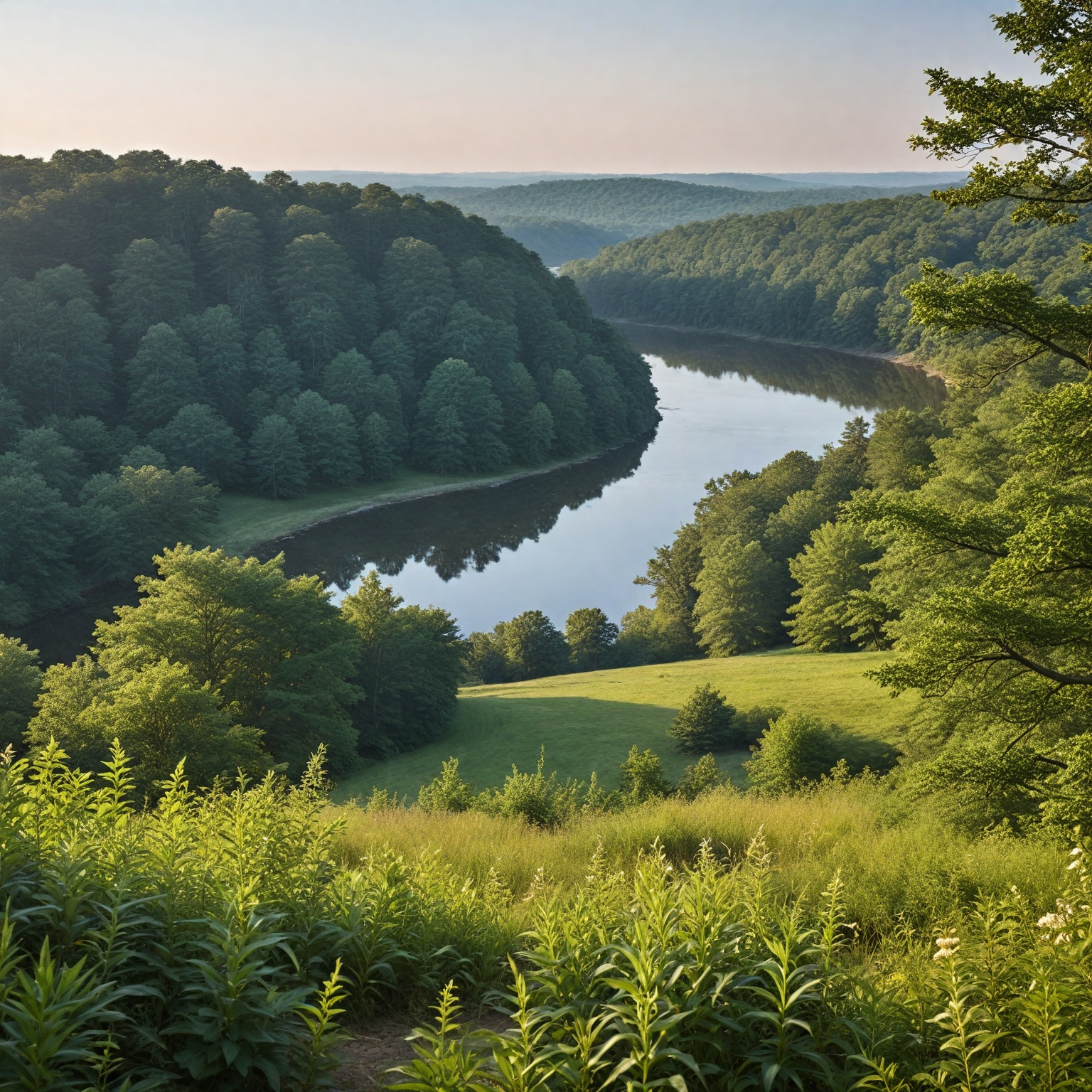
New Jersey offers a diverse and picturesque natural environment that appeals to residents and visitors alike. The state is home to a variety of landscapes, including rolling hills, expansive forests, and scenic waterways, which provide ample opportunities to explore its rich flora and fauna. One notable location is High Point State Park, dedicated in 1923 and designed by the Olmsted Brothers of Boston, descendants of Frederick Law Olmsted, the famed landscape architect behind Central Park in New York City. This park features breathtaking views from the highest elevation in New Jersey, along with unique attractions such as a surprising beach along the ascent.
The state’s geography is further enriched by small towns that offer year-round charm and exploration opportunities beyond the well-known shorelines. These towns showcase the agricultural heritage of New Jersey, with roadside stands selling fresh, locally grown produce that surpasses the quality of store-bought items from other regions.
Climatically, New Jersey experiences a full range of seasons, with notable variations in temperature and precipitation across the state. While temperature patterns tend to be relatively consistent from north to south, precipitation can show more localized differences. Data collected from various weather networks and cooperative programs indicate that summer and monthly precipitation patterns may diverge between northern and southern parts of the state, contributing to the unique climatic character of different regions within New Jersey. Residents can expect cold, windy winters and hot, humid summers, making it a state that truly experiences all four seasons.
Economic Factors
New Jersey boasts a strong and diverse economy with a gross domestic product (GDP) of $666.9 billion and a workforce of approximately 5 million people, making it a significant economic hub in the United States. The state’s economy is supported by a wide range of industries, including pharmaceuticals, life sciences, technology, financial services, manufacturing, construction, healthcare, leisure and hospitality, retail trade, and transportation.
One of the key drivers of New Jersey’s economy is the drug, cosmetic, and toiletry wholesaling industry, which generated the highest revenue in 2024 at $177.6 billion. Other leading industries by revenue include automobile wholesaling ($79.2 billion), life insurance and annuities ($75.2 billion), and TV and appliance wholesaling, which tied with commercial banking at $44.9 billion. The state is also home to several major corporate headquarters, such as Panasonic Corporation of North America in Newark and Johnson & Johnson in New Brunswick.
Employment trends in New Jersey reflect growth across multiple sectors. Between recent years, education and health services added 41,400 jobs, followed by trade, transportation, and utilities (+29,200), leisure and hospitality (+26,900), manufacturing (+6,700), and financial activities (+2,400). The financial services industry, which encompasses banking, investing, insurance, and accounting, employs over 230,000 workers statewide and contributes roughly $32 billion to the economy, accounting for 6.6% of the state’s GDP. Major financial employers include Prudential Financial in Newark, Chubb in Warren, and Verisk Analytics in Jersey City.
The life sciences sector is another vital component of New Jersey’s economy, comprising pharmaceuticals, biotechnology, and medical device manufacturing. This sector employed an average of 76,510 workers in 2020, representing 2.4% of the state’s private sector workforce and approximately 1.3% nationally. Pharmaceutical giants such as Johnson & Johnson and Merck & Co. have a significant presence in the state, further emphasizing its importance as a hub for scientific and engineering talent.
New Jersey’s manufacturing sector is diverse, including food production, medical devices, and advanced materials, with key employers like Lockheed Martin, Honeywell International, and Becton Dickinson located in various parts of the state. Continued infrastructure development has supported the growth of transportation and logistics industries, leveraging the state’s strategic location near major metropolitan areas like New York City and Philadelphia.
Recent labor market data indicate that the state’s job market has been robust, with payrolls increasing by 20,800 in early 2024 and the unemployment rate steady at 4.8 percent. However, despite the strong employment landscape, the average national salary of $59,384 remains below the $68,499 needed for a comfortable standard of living, highlighting ongoing financial challenges for residents. Overall, New Jersey’s economic diversity and employment opportunities make it an attractive destination for individuals seeking career growth and stability.
Education
New Jersey is widely recognized for its exceptional education system, consistently ranking among the best in the United States. In 2024, New Jersey was ranked third nationally for the best public education, reflecting high enrollment rates and strong academic outcomes in public schools, which serve the majority of students in the state. The state’s K-12 education system is often cited as the best in the country, supported by impressive performance metrics such as standardized test scores, graduation rates, and college readiness indicators.
The state places significant emphasis on supporting students with Individualized Education Programs (IEPs). The New Jersey Office of Special Education provides educators, families, and stakeholders with professional development, technical assistance, and access to instructional resources to help students with disabilities meet their academic goals and successfully transition to employment, postsecondary education, and community involvement. This office also ensures compliance with federal regulations, including the Individuals with Disabilities Education Act (IDEA).
New Jersey also fosters innovative STEM (Science, Technology, Engineering, and Mathematics) initiatives through a statewide network that promotes collaboration between schools, higher education institutions, and the business community. These STEM ecosystems aim to create continuous learning environments and develop pathways from education to the workforce, reflecting a strategic public-private partnership that has been active since 2014.
The state is home to a diverse array of higher education institutions, from prestigious Ivy League universities like Princeton to large public research universities such as Rutgers University. New Jersey’s colleges and universities offer a broad range of academic programs and are noted for combining high-quality education with affordability and accessibility.
Quality of Life
New Jersey offers a compelling quality of life that attracts millions of residents despite certain challenges. The state’s prime location near major metropolitan areas like New York City and Philadelphia provides abundant job opportunities and diverse communities, enhancing both economic prospects and cultural experiences. Many people choose to live in New Jersey due to its strong and diverse economy, which supports various thriving industries, thus offering ample employment possibilities across different sectors.
Education in New Jersey is notably strong, with the state receiving high marks in multiple categories including student support, school maintenance, and safety. Public expenditure on student support, food services, and transportation amounts to $3,625 per student, reflecting the state’s commitment to education. Additionally, standardized test scores in reading and writing are solid indicators of educational quality.
Environmental quality and sustainability are also key contributors to New Jersey’s quality of life. The state is a national leader in land conservation, preserving more than one-fourth of its land through public ownership or deed restrictions on parks and farmland. Numerous nature preserves provide residents with opportunities for outdoor activities such as hiking, bird-watching, and nature photography. Initiatives like the Coastal Climate Initiative and Sustainable Jersey promote environmental stewardship, clean energy, and climate resilience, reinforcing New Jersey’s dedication to preserving its natural resources and habitats.
Moreover, New Jersey’s infrastructure includes reputable employers recognized as great places to work, such as NJ Transit and Cooper University Health Care, adding to the overall satisfaction of residents in their professional lives. Although the state faces challenges like high living costs, traffic congestion, and property taxes, the combined factors of economic opportunity, educational quality, environmental sustainability, and community diversity create a well-rounded quality of life that many find rewarding.
Cultural Attractions
New Jersey offers a vibrant cultural scene that appeals to a wide range of interests, from its diverse dining options to its rich historical sites and natural beauty. One standout destination is Cape May, renowned for its lively dining scene and excellent beaches. Cape May uniquely captures the quintessential Jersey Shore experience, featuring everything from charming bed-and-breakfast inns to beloved local eateries like Hot Dog Tommy’s. Its culinary reputation is further highlighted by being named one of the nation’s top 20 food cities by Conde Nast Traveler magazine.
Beyond dining, New Jersey boasts notable parks and outdoor attractions that also serve as cultural landmarks. High Point State Park, dedicated in 1923, showcases landscaping by the Olmsted Brothers—sons of Frederick Law Olmsted, the designer of Central Park. Visitors can explore scenic drives, discover an unexpected beach along the way, and enjoy breathtaking views from the highest point in the state, reflecting the blend of natural splendor and thoughtful design that characterizes New Jersey’s cultural heritage.
In addition to these sites, the New Jersey Conservation Foundation preserves offer accessible public spaces that encourage hiking, bird-watching, bicycling, picnicking, and nature photography. These preserves not only highlight the state’s ecological diversity but also serve as cultural resources where residents and visitors can engage with New Jersey’s natural history and outdoor traditions.
Recreation and Outdoor Activities
New Jersey offers a wide variety of recreational and outdoor activities that cater to all interests and ages. The state’s numerous preserves managed by organizations like the New Jersey Conservation Foundation provide scenic locations perfect for hiking, bird-watching, bicycling, picnicking, nature photography, and spending quality time outdoors with family and friends. Whether you are a casual walker or an avid nature enthusiast, there is something for everyone to enjoy.
Popular state parks such as High Point State Park, dedicated in 1923 and landscaped by the Olmsted Brothers—sons of Frederick Law Olmsted, the designer of Central Park—offer breathtaking views and well-maintained trails. Visitors can explore diverse landscapes, including unique features like a beach located along the road to the park’s summit. Coastal areas like Island Beach State Park and North Brigantine Natural Area attract anglers and nature lovers alike, though permits for certain activities can be highly sought after and sell out annually.
Birding enthusiasts particularly appreciate New Jersey’s coastal salt marshes, which provide critical nursery habitats for marine life and support rich biodiversity. Reserves along the coast, including those with accessible link paths to landmarks such as lighthouses, offer excellent opportunities for bird-watching and enjoying natural habitats. These salt marshes not only enhance recreational experiences but also play an essential role in protecting coastal communities from storms and flooding.
Transportation
New Jersey offers a range of transportation options, though the availability and convenience can vary significantly depending on the region. While public transportation exists throughout the state, it is generally less extensive compared to major urban centers like New York City. As a result, many residents find owning a car necessary to navigate areas where transit options are limited.
One of the key benefits of living in New Jersey is its strategic location with reliable transit systems and relatively short commutes to major metropolitan areas such as New York City and Philadelphia. This proximity allows residents to enjoy access to large city job markets, cultural attractions, and dining experiences while maintaining the benefits of suburban or smaller-town living. Commuting to New York City is particularly common, enabling many New Jerseyans to balance work opportunities in the city with a more affordable or spacious home environment.
Despite these advantages, traffic congestion remains a challenge in densely populated areas, and infrastructure development has not always kept pace with population growth. Nevertheless, many residents feel that the combination of location, lifestyle, and transit options outweigh these drawbacks.
Additionally, New Jersey’s public transportation agencies, such as NJ Transit, have received recognition for their workplace environment, highlighting the importance and quality of transit-related employment in the state. NJ Transit has been named one of New Jersey’s best places to work multiple times in recent years, reflecting ongoing efforts to improve the transit system and its services.
Housing Market
New Jersey’s housing market presents a mix of opportunities and challenges for prospective residents. One of the key draws is the state’s strategic location, which offers easy access to major metropolitan areas such as New York City and Philadelphia. This proximity allows residents to enjoy suburban living while benefiting from the employment, entertainment, and cultural options available in these urban centers.
However, this advantage comes with a trade-off in the form of high housing costs, which are notably elevated in many parts of the state. Areas like Newark, Trenton, Moorestown, Franklin Lakes, New Brunswick, and Princeton each offer a variety of housing options, from apartments to single-family homes, catering to diverse preferences and budgets. These towns also host major employers such as Verizon, ADP, Cognizant, Prudential Financial, Chubb, and Verisk Analytics, making them attractive locations for job seekers looking to settle close to work.
Traffic congestion is a common issue in densely populated areas of New Jersey, which can impact daily commutes and overall quality of life. Despite infrastructure challenges, many residents find that the benefits of location and job opportunities outweigh these drawbacks. Whether searching for homes for sale in urban centers or more suburban communities, prospective buyers are encouraged to weigh the high cost of housing against the state’s lifestyle advantages and labor market prospects.
Community and Diversity
New Jersey boasts a strong sense of community engagement and environmental stewardship, reflected in initiatives such as Sustainable Jersey, where 83% of municipalities participate, encompassing 91% of the state’s population. These certified communities collaborate on actions promoting sustainability, including programs like Trees for Schools, which provides competitive grants to public schools, colleges, and universities to support tree planting projects on their grounds.
The state also fosters inclusive educational ecosystems, particularly in STEM (Science, Technology, Engineering, and Mathematics). New Jersey supports the creation of STEM-rich, 24/7 learning environments through cross-sector partnerships among schools, districts, institutions of higher education, and the business community. While there are over 600 school districts, and many initiatives remain underreported, this network underlines the commitment to cultivating diverse learning opportunities across communities statewide.
In addition, New Jersey’s approach to education and community services includes resources tailored to families and educators supporting students with special needs. These specialized programs provide universal and targeted approaches to ensure access
Top 10 Reasons to Consider Living in the State
New Jersey offers a unique combination of advantages that make it an attractive place to live for many people. Here are the top 10 reasons to consider making the Garden State your home.
1.
New Jersey’s geographical position between New York City and Philadelphia provides residents with unparalleled access to two major metropolitan areas. This allows for convenient commuting to diverse job markets, cultural attractions, dining options, and entertainment without sacrificing suburban or coastal living.
2.
From bustling urban centers and charming small towns to scenic beaches and rural countryside, New Jersey offers a variety of lifestyles to suit different preferences. The state’s population density contributes to vibrant, diverse communities that cater to a wide range of cultural and social interests.
3.
With a workforce of 5 million people and a $666.9 billion GDP, New Jersey has a strong and diverse economy. Key sectors include drug, cosmetic, and toiletry wholesaling, life insurance, automobile wholesaling, and commercial banking. Employment growth is particularly strong in education and health services, trade, transportation, and leisure and hospitality.
4.
New Jersey boasts over 200,000 acres of coastal salt marshes, nature reserves, and preserves, such as those maintained by the New Jersey Conservation Foundation. These spaces provide opportunities for hiking, bird-watching, bicycling, picnicking, and nature photography, supporting an active outdoor lifestyle.
5.
The state has a lively dining scene, with Cape May being recognized as one of the nation’s top 20 food cities. From fine dining and bed-and-breakfasts to local hole-in-the-wall eateries, New Jersey’s food culture is diverse and celebrated.
6.
New Jersey’s shoreline offers excellent beaches and coastal experiences. Towns like Cape May provide a unique Jersey Shore atmosphere with attractions ranging from charming shops to historic lighthouses and nature reserves.
7.
Organizations such as the New Jersey Conservation Foundation actively engage with policymakers to protect and preserve natural habitats, ensuring the long-term sustainability of the state’s environment and quality of life for residents.
8.
While public transportation may not be as extensive as in some large cities, New Jersey provides various commuting options including trains and buses, especially convenient for those traveling to New York City and Philadelphia. However, owning a car may still be necessary depending on location.
9.
Despite challenges such as high living costs and property taxes, many residents find the quality of life and employment opportunities in New Jersey to be well worth it. The state’s economy supports strong earning potential across multiple industries.
10.
New Jersey’s small size belies its remarkable variety of landscapes, from pine forests and farmland to bustling cities and scenic coastal highways. This diversity allows residents to explore many different environments within a relatively short distance.
These factors combined make New Jersey a compelling choice for those seeking a balance of economic opportunity, cultural diversity, natural beauty, and convenient access to major urban centers.
The content is provided by Harper Eastwood, Brick By Brick News