Summary
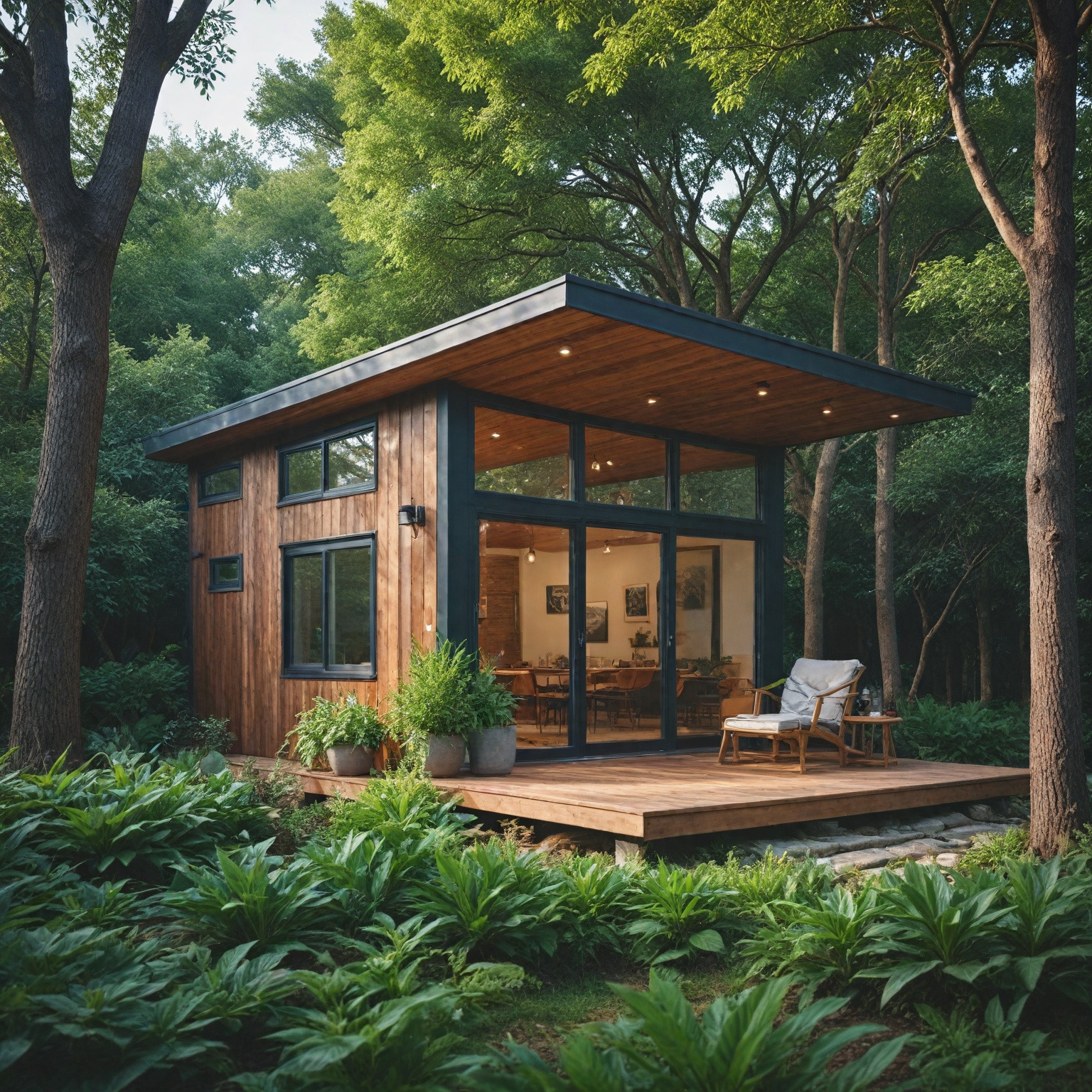
Discover 6 Adorably Tiny Homes That Are Just Perfect for Cozy Living explores the growing trend of tiny homes—compact dwellings typically under 400 square feet that prioritize efficient use of space without sacrificing comfort or style. These homes embody a minimalist lifestyle focused on simplicity, sustainability, and financial freedom, appealing to individuals and families seeking affordable, eco-friendly alternatives to traditional housing. The article highlights six charming examples of tiny homes, ranging from architecturally inspired designs to mobile off-grid models, each demonstrating innovative layouts and personalized aesthetics that make small-scale living both practical and inviting.
The tiny house movement has gained notable traction as a response to housing affordability and environmental concerns, emphasizing multifunctional furniture, natural lighting, and sustainable materials to create cozy, livable spaces. This trend reflects a broader cultural shift towards intentional living, encouraging residents to prioritize experiences and relationships over possessions. Moreover, tiny homes often incorporate advanced environmental technologies—such as solar panels, greywater recycling, and composting toilets—that reduce ecological footprints and support off-grid lifestyles.
Despite its appeal, tiny living is not without challenges. Regulatory hurdles, zoning restrictions, and higher per-square-foot construction costs can complicate ownership and placement of tiny homes. Additionally, critics caution that social media-driven hype sometimes inflates expectations, and small spaces require significant lifestyle adjustments to maintain comfort and functionality. The article addresses these issues alongside design principles that optimize space, light, and sustainability, illustrating how tiny homes balance innovation with practicality.
Overall, this page offers a comprehensive overview of tiny homes as a cultural and architectural phenomenon, showcasing six distinctive examples that exemplify cozy living in small spaces while situating the movement within broader environmental and social contexts.
Overview of Tiny Homes
Tiny homes are compact living spaces typically measuring under 400 square feet, designed to maximize functionality while minimizing space. They provide all essential amenities such as a kitchen, bathroom, and sleeping area within a small footprint. These homes come in various forms, including stationary models built on foundations and mobile homes constructed on trailers. The concept of tiny homes emphasizes simplicity and efficient use of space, often associated with minimalist living, sustainability, and financial freedom.
The tiny house movement has gained popularity as a practical and innovative solution to housing challenges, offering an affordable alternative to traditional housing options. By downsizing, individuals can significantly reduce mortgage or rent costs, leading to increased financial freedom and personal satisfaction. Furthermore, embracing tiny living encourages a lifestyle focused on quality over quantity, promoting the value of experiences rather than material possessions.
Despite the widespread appeal, some critics argue that the tiny home trend has been over-hyped, sometimes creating unrealistic expectations. Additionally, niche applications such as social media interest in unique or shocking designs contribute to its popularity. Various types of tiny houses exist, including shipping container homes, tiny cabins, small houseboats, and bus conversions. Notably, tiny homes can have a higher cost per square foot compared to larger houses due to their specialized design and construction.
As the movement continues to grow, it also inspires innovative organizing strategies for small spaces, which can be applied to larger homes as well, demonstrating the broader influence of tiny home principles on housing design. Overall, tiny homes represent a shift toward intentional living, combining practical benefits with cultural trends toward minimalism and sustainability.
Benefits of Tiny Homes for Cozy Living
Tiny homes offer a practical and innovative solution to the growing housing crisis by providing small, efficient living spaces that maximize functionality while minimizing costs, making them an affordable alternative to traditional housing. Their efficient layouts, multi-functional furnishings, and clever storage solutions allow residents—whether singles, couples, or small families—to enjoy modern amenities and a comfortable, long-term lifestyle within a cozy footprint.
Living in a tiny home encourages a simpler, more intentional lifestyle that often leads to financial freedom and reduced expenses. This minimalist approach helps individuals declutter, organize, and budget more effectively, fostering a sustainable way of living that prioritizes quality over quantity. Nearly 60% of people who adopt tiny living report increased happiness and financial benefits, with improved communication and stronger relationships arising from the close quarters and intentional interaction required by smaller spaces.
Beyond personal well-being, tiny homes promote environmental sustainability. Many are designed for off-grid living with energy-efficient materials and technologies, rain catchment systems, and water-saving appliances. Composting toilets and greywater recycling reduce water consumption and waste, contributing to the preservation of natural resources and reducing reliance on public utilities. This eco-conscious lifestyle aligns with the broader minimalist philosophy, which values experiences and relationships over material possessions and embraces simplicity as a path to freedom and contentment.
Discover 6 Adorably Tiny Homes
One charming example is an a-frame tiny house with a shingled roof, positioned at the end of a stone pathway. Its front facade consists almost entirely of windows, allowing abundant natural light to flood the white-painted interior. A blue sectional sofa optimally fills the limited space, providing cozy seating. Similarly, another creekside A-frame near Breckenridge, Colorado, stands out with its fire truck red exterior. Inside, a wood-burning fireplace warms the space, complemented by custom built-in kitchen and bathroom storage and a cozy loft sleeping area.
The modern country-style tiny home features a large window designed to showcase surrounding views. Inside, the living room exudes warmth with a wood-burning stove, while the adjacent kitchen benefits from natural light streaming through expansive windows, creating an uplifting atmosphere.
Architecturally inspired designs include the Caboose by Wheelhaus, a 400-square-foot tiny home with an additional 120-square-foot loft. Modeled after a train’s caboose, it accommodates up to six people and features high-end finishes and exquisite woodwork, providing a comfortable living experience regardless of location. Another innovative model is the MiniMotives Tiny House, designed by architects Macy Miller and James Herndon. Since its initial build in 2011, this home has undergone renovations that reflect their passion for small-space living, demonstrating how family life can flourish in tiny homes.
The mobile and off-grid Ventura tiny house by Mint Tiny House Company illustrates sustainability alongside comfort. This 40-foot-long park model, capable of housing six people, includes solar panels and a water system that produces drinking water from the air. Inside, natural light fills the space through numerous windows, while insulation ensures year-round comfort. The kitchen is well-equipped with laminate counters, multiple cooktops, a fridge, and ample storage, while the living room boasts a fireplace and a Smart TV. Flexible spaces accommodate bedrooms or home offices, and the bathroom features a glass shower cabin and vanity with open shelves.
Collectively, these six tiny homes embody smart design, efficient use of space, and personalized aesthetics. Whether stationary or mobile, minimalist or luxurious, each offers a unique approach to cozy living, proving that small dwellings can be both functional and inviting.
Architectural Design Concepts and Principles
Architectural design in tiny homes emphasizes maximizing limited space through innovative and multifunctional solutions, blending functionality with aesthetic appeal. A key principle is optimizing storage by fully utilizing vertical space. Installing upward shelving and investing in tall storage pieces allow residents to store infrequently used items such as holiday décor and luggage off the floor, keeping living areas uncluttered. Custom furniture also plays a vital role; pieces like sofas with hidden compartments, expandable dining tables, and multifunctional benches combine form and function to make every inch count in small homes.
Light and openness are critical in tiny home design. Large windows, strategically placed skylights, and glass-fronted façades flood interiors with natural light, creating a sense of spaciousness and cheeriness despite the compact footprint. For instance, an A-frame tiny house with a front nearly covered in windows features a bright, airy interior complemented by light-colored walls and carefully sized seating to maximize comfort without crowding the space. Alongside illumination, proper ventilation—often achieved through cross-ventilation strategies—improves indoor air quality and reduces reliance on mechanical cooling, aligning with sustainable design goals.
Sustainability and energy efficiency are integral to tiny home architecture. Incorporating solar-protected windows preserves natural light while mitigating UV radiation and maintaining indoor comfort. Heating and cooling systems such as ductless mini splits help retain window access and light while ensuring efficient climate control. These elements reflect a growing emphasis on eco-friendly design within compact living.
Culturally, tiny homes reflect a minimalist ethos that values simplicity, mindfulness, and intentional living. This aligns with post-World War II architectural trends that favored functionality and efficiency, as well as the 1970s counter-culture movement’s focus on sustainability and self-sufficiency. Minimalist interiors often feature carefully selected items with personal significance, fostering tranquility and a sense of peace within the limited space. Collectively, these design concepts highlight how tiny homes marry practicality with cultural and environmental consciousness to create cozy, efficient living environments.
Sustainable Materials and Construction Methods
Sustainability is a key consideration in the design and construction of tiny homes, with a variety of eco-friendly materials and methods available to reduce environmental impact while maintaining functionality and comfort. One common approach is the use of reclaimed wood, which not only decreases waste from the lumber industry but also tends to be more affordable than traditional lumber. This material choice allows builders to create homes that are both environmentally conscious and visually appealing, adding unique character to the space.
Prefabricated construction has also gained popularity in tiny home building due to its efficiency and sustainability. Prefabricated homes or panels are manufactured off-site with precision, minimizing material waste and reducing construction time. This process is often coupled with modular design principles, where homes are designed to be easily dismantled and reconfigured. This flexibility supports evolving household needs and reduces the necessity for complete rebuilds, further enhancing sustainability.
In addition to structural materials, the choice of insulation and finishes plays a significant role in creating safer and greener tiny homes. Selecting materials free from harmful substances such as fiberglass and crystalline silica improves indoor air quality and handling safety. Products like organic cellulose insulation offer effective thermal performance without the health risks associated with some conventional materials.
Energy efficiency is another critical aspect, with builders incorporating high-efficiency appliances, fixtures made from recycled materials, and solar components to minimize energy and water use. These technologies not only reduce the ecological footprint but also help homeowners save on utility bills over time. Integrating such advanced materials and renewable energy systems supports the goal of off-grid living and further aligns with sustainable tiny home practices.
Energy Efficiency and Environmental Technologies
Energy efficiency and environmental technologies play a crucial role in the design and construction of tiny homes, ensuring a minimal ecological footprint while maximizing comfort and sustainability. These homes incorporate advanced materials and systems aimed at reducing energy consumption and utilizing renewable resources. High-grade insulation, efficient heating and cooling systems, and the integration of solar panels are common features that help achieve near net-zero energy usage in tiny homes.
Selecting high-efficiency appliances and fixtures made from recycled or reclaimed materials further enhances sustainability. For example, reclaimed wood and metal not only reduce environmental impact but also add unique character to the living space. Passive solar design principles are often employed to harness the sun’s energy, maintaining comfortable indoor temperatures throughout the year without incurring additional energy costs. Multi-layered insulation traps heat during winter and keeps interiors cool in summer, reducing reliance on artificial climate control and lowering utility bills.
Proper ventilation is another key element in sustaining a healthy and energy-efficient environment. Cross-ventilation strategies improve indoor air quality by reducing humidity and pollutants while naturally cooling the home, decreasing the need for air conditioning. Large windows and strategically placed skylights bring in ample natural light, making spaces feel more open and reducing the dependence on electrical lighting. Solar-protected windows provide additional benefits by mitigating overheating risks, safeguarding occupants from harmful UV radiation, and enhancing overall comfort.
Safety considerations also guide material choices, with a preference for insulation and construction products free from harmful substances such as fiberglass and crystalline silica. Alternatives like organic cellulose insulation offer both effectiveness and safer handling. These practices contribute to tiny homes being excellent candidates for off-grid living and integration with renewable power systems.
Hybrid passive cooling systems combined with airtight construction technologies help address challenges like overheating, which is a notable concern in energy-efficient tiny homes. Optimizing window placement and ventilation systems ensures thermal comfort without excessive energy use. Additionally, as tiny homes increasingly adopt residential solar power, studies on grid-tie inverters explore their impact on electrical infrastructure and policy, facilitating the integration of distributed generation into the wider grid.
Water Conservation and Waste Management Systems
Tiny homes prioritize eco-friendly living by incorporating innovative water conservation and waste management systems that maximize limited space while minimizing environmental impact. Due to smaller water tanks and storage capacities, effective water use and waste handling are critical components of sustainable tiny house design.
Water Conservation
Water conservation in tiny homes focuses on reducing overall water consumption and reusing greywater to preserve freshwater resources and lower energy use associated with water treatment and distribution. Greywater, which includes used water from sinks, showers, and washing machines, is not potable but can be repurposed for irrigation or flushing toilets, thereby easing pressure on limited water storage. Compact greywater systems—ranging from simple bucket-based filters using sand or gravel to more advanced setups like laundry-to-landscape systems—are well-suited to tiny homes and support the ethos of resource conservation.
Waste Management Systems
Innovative waste management solutions for tiny homes combine space-saving designs with eco-friendly functionality. Under-sink composting bins, such as the 1.8-gallon OXO Good Grips compost bin, utilize unused cabinet space to manage organic waste efficiently, while stacked vermicomposting systems like the Worm Factory 360 operate in as little as one square foot. Composting toilets represent another essential feature in tiny homes, offering a waterless or low-water alternative to traditional flush toilets. These toilets convert human waste into compost suitable for gardening, making them ideal for off-grid living and water conservation efforts.
Together, these water conservation and waste management strategies enable tiny homes to remain functional and sustainable, significantly reducing their environmental footprint without compromising on comfort or convenience.
Cultural and Regional Influences on Design
Architectural styles and housing designs are deeply shaped by the cultural and regional contexts in which they emerge, reflecting the values, history, and environmental conditions of their societies. In tiny homes, these influences manifest in both aesthetic choices and functional adaptations, allowing the dwellings to resonate with the cultural identity of their inhabitants while addressing local needs.
The concept of “home” carries significant cultural meaning, often intertwined with historical and social factors. For example, just as mosques, Gothic cathedrals, and Asian pagodas embody the aspirations and values of their regions, tiny homes can also reflect local traditions and cultural narratives through design elements and material selection. Understanding these cultural dimensions enables architects and designers to create spaces that are not only practical but also emotionally and culturally meaningful, fostering a sense of belonging and identity.
Regional climates play a critical role in shaping tiny home designs, influencing choices such as insulation, window placement, and materials. Multi-layered insulation techniques are commonly employed to optimize thermal performance, trapping heat during cold seasons and maintaining cool interiors in summer, thereby reducing reliance on artificial heating and cooling systems. Additionally, regional environmental considerations encourage the use of sustainable and locally sourced materials like reclaimed wood, bamboo, and recycled metals, which minimize ecological impact while adding unique character to the homes.
Local regulations and zoning laws also significantly impact tiny home design and placement. Since tiny homes may be classified differently across regions—as permanent residences, accessory dwelling units, or even recreational vehicles—owners must navigate diverse legal frameworks to ensure compliance. Foundations and structural requirements vary based on geographic factors such as ground snow load, necessitating adaptations to meet local building codes and safety standards.
Sunlight management is another important regional consideration. In designs featuring large glass areas to maximize natural light, window coverings are used strategically
Challenges and Considerations
Living in a tiny home presents unique challenges that require careful planning and thoughtful decision-making. One of the primary considerations is understanding and complying with local zoning laws and building codes, which can vary significantly by location. Some areas permit tiny homes as permanent residences, while others categorize them as recreational vehicles (RVs) or accessory dwelling units, influencing what is legally allowed in terms of size, placement, and use. It is crucial for prospective tiny home owners to research these regulations thoroughly, especially if the home is mobile or crosses jurisdictional boundaries, as this impacts the installation of waste systems and overall legal compliance.
Energy efficiency in tiny homes also poses particular challenges, notably the risk of overheating due to limited space and exposure to sunlight. To address this, experts recommend employing construction techniques that enhance insulation and airtightness, combined with passive ventilation strategies and strategically positioned windows to optimize airflow. Hybrid passive cooling systems are also beneficial in maintaining comfortable indoor temperatures, ensuring that the compact living space remains livable year-round without excessive reliance on active cooling.
Another important consideration involves the design and layout of the tiny home. Because space is at a premium, layouts must be smart, adaptable, and multifunctional. This includes using innovative storage solutions and multi-purpose furnishings to maximize utility without sacrificing comfort. Planning ahead for utilities and power is also essential—off-grid tiny homes require space for solar batteries and composting toilets, whereas on-grid homes offer more flexibility. Additionally, selecting a modular or expandable floor plan can accommodate changing lifestyle needs over time, making the tiny home more sustainable in the long term.
Beyond the practical aspects, living in a tiny home necessitates a mental shift toward minimalism and intentional living. The reduced square footage encourages residents to critically assess their possessions and habits, fostering a lifestyle centered on simplicity and conscious consumption. This philosophical change challenges conventional norms about housing and personal space, often leading to a more fulfilling and mindful way of life.
The content is provided by Avery Redwood, Brick By Brick News