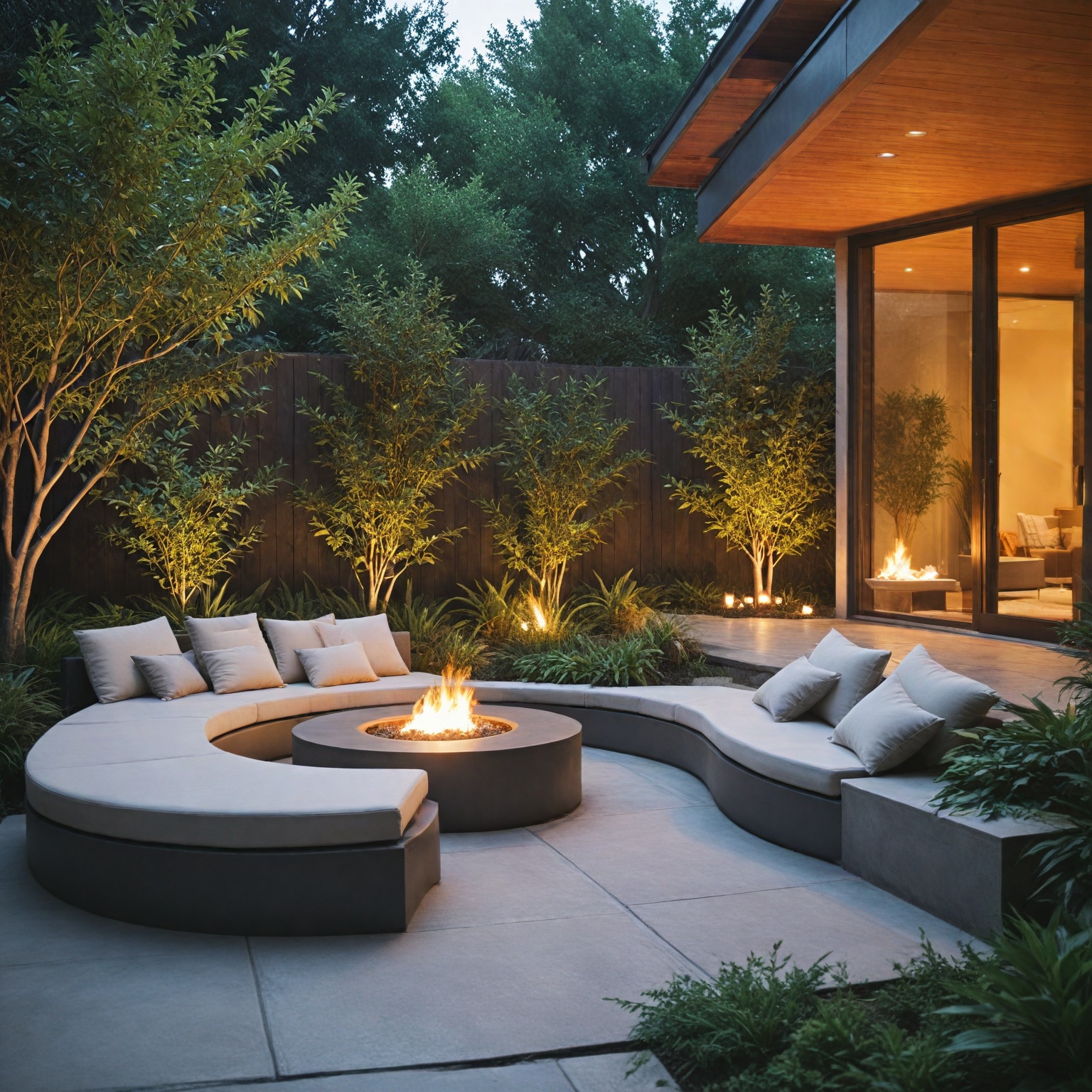
Summary
Unveiling the Hottest Outdoor Living Trends of 2025 explores the evolving landscape of outdoor home design, highlighting how innovation, sustainability, and wellness are shaping exterior living spaces. As homeowners increasingly seek to extend their indoor comfort and style outdoors, 2025 marks a pivotal year where outdoor environments transform into multifunctional sanctuaries that blend aesthetics, technology, and ecological responsibility.
Central to these trends is the seamless integration of indoor-style furnishings and earth-toned natural materials, which create cohesive, inviting spaces that resonate with biophilic design principles. Wellness features such as dedicated yoga decks, meditation gardens, and spa amenities underscore a growing emphasis on mental and physical health, turning backyards into personal retreats. Meanwhile, smart technology—including adaptive outdoor furniture, connected grills, and automated lighting—enhances convenience and energy efficiency, reflecting a shift toward intelligent, user-responsive environments.
Sustainability remains a driving force behind material choices and construction methods, with recycled composites, carbon-negative concretes, and reclaimed elements gaining popularity for their durability and reduced environmental impact. These eco-conscious approaches align with broader cultural movements toward regenerative landscaping and resource conservation, emphasizing multifunctionality and longevity in outdoor design. Together, these innovations herald a future where outdoor living balances style, comfort, and ecological mindfulness.
Despite widespread enthusiasm, some challenges persist, including the limited adoption of emerging carbon-negative materials due to economic and regulatory barriers. Additionally, integrating smart technologies raises questions about accessibility and long-term maintenance in outdoor settings. Nonetheless, the 2025 outdoor living trends reflect a comprehensive response to contemporary lifestyle demands, making outdoor spaces vital extensions of the modern home.
Key Outdoor Living Trends of 2025
Outdoor living in 2025 is characterized by a harmonious blend of style, functionality, and wellness, with several notable trends shaping how homeowners design and use their exterior spaces. Central to these trends is the growing desire to create outdoor areas that serve as true extensions of indoor living, combining comfort, aesthetics, and technology seamlessly.
Indoor Style Translated Outdoors
One of the most prominent trends is the blurring of lines between indoor and outdoor furniture. Outdoor spaces are increasingly being designed to mimic the comfort and sophistication of indoor rooms. This is achieved through the use of materials and designs that resemble indoor furnishings but are engineered for durability in outdoor conditions. Performance textiles that look and feel natural enhance this effect, making outdoor furniture indistinguishable from indoor pieces in both form and function.
Earth Tones and Natural Materials
Color palettes for 2025 outdoor spaces lean heavily into earth tones such as warm taupes, terracotta, olive greens, deep forest greens, charcoal grays, and rusty metallics. These hues create a grounding effect that connects the outdoor environment with the interior decor. Additionally, natural materials like wood and woven fabrics complement these colors, reinforcing a soothing and timeless aesthetic that integrates effortlessly with the natural surroundings.
Wellness-Focused Outdoor Spaces
Wellness has become a key driver in outdoor design, with homeowners prioritizing areas for relaxation and rejuvenation. Dedicated yoga decks, meditation gardens, built-in seating for quiet reflection, and wellness amenities like hot tubs, swim spas, and saunas are rising in popularity. These features transform outdoor spaces into personal sanctuaries that promote mental and physical health.
Smart and Versatile Design Solutions
Modern outdoor living embraces smart technology to enhance comfort and usability. Outdoor furniture and accessories now often include features such as temperature-responsive materials, ambient lighting, and systems that help maintain ideal comfort levels throughout the day. The emphasis on versatility is also evident in the move away from rigid matching furniture sets toward eclectic mixes of materials, textures, and designs that reflect personal style and adaptability.
Sustainability and Multifunctionality
Sustainability is a growing concern influencing outdoor living trends, with homeowners investing in eco-friendly materials and multifunctional spaces. These spaces are designed not only for relaxation but also for entertainment and everyday living, maximizing usability without sacrificing environmental responsibility. Design professionals are innovating to balance beauty with practicality, ensuring outdoor areas serve as inviting, versatile extensions of the home.
Together, these trends define a forward-thinking approach to outdoor living in 2025, one that values comfort, wellness, sustainability, and aesthetic continuity between indoors and outdoors.
Sustainable and Eco-Friendly Materials
Sustainability remains a central focus in outdoor living design for 2025, with a significant shift towards materials that minimize environmental impact while maximizing durability and aesthetic appeal. Homeowners and designers increasingly prioritize eco-conscious choices that offer long-lasting performance with minimal maintenance, aligning with a broader lifestyle trend towards conscious living.
Wood and Wood Alternatives
Recycled plastics combined with reclaimed wood fibers are becoming popular for decking, offering environmentally friendly options that retain the natural look of wood while enhancing longevity. Modified woods, such as thermally treated and acetylated varieties, provide improved resistance to rot, insects, and decay without sacrificing the warm, earthy tones favored in contemporary designs. Composite decking, often made from recycled materials, stands out as a leading choice due to its durability, low maintenance, and eco-friendly credentials, delivering the warmth and charm of traditional wood with added performance benefits.
Innovative Natural Materials
The rise of biophilic design has propelled materials like preserved moss into the spotlight for 2025. Moss walls and accents made from treated, preserved moss bring a vibrant, maintenance-free green element to outdoor spaces, fostering a connection with nature and enhancing well-being. These materials retain their texture and color without requiring water, soil, or sunlight, making them practical and sustainable design elements. Similarly, building materials inspired by natural forms, such as those mimicking river rocks, offer strong, weather-resistant options that blend organic aesthetics with structural functionality. These materials are expected to play a key role in landscape design and outdoor architecture, merging durability with a natural appearance.
Alternative Carbon-Negative Materials
Beyond wood and composites, emerging carbon-negative materials are gaining attention for their potential to reduce construction-related emissions. Hempcrete—a composite of hemp fibers and a binder—serves as a renewable, carbon-sequestering option, though it remains less widely used. Innovations like CarbiCrete’s cement-free concrete, which utilizes mineral waste and CO₂, exemplify advances toward low-cost, carbon-negative building products that challenge traditional, carbon-intensive cement composites. While concrete remains one of the most widely used construction materials globally, incorporating recycled components such as fly ash and slag can reduce its environmental footprint. Examples like the I-35W Saint Anthony Falls Bridge demonstrate practical implementations of greener concrete mixes. However, widespread adoption is limited until stronger economic incentives, such as carbon taxes, are in place.
Recycled and Reclaimed Materials
The trend of repurposing materials from previous structures continues to grow, supporting a circular economy within the construction industry. Recycled steel, reclaimed wood, glass, and plastic aggregates are increasingly utilized to reduce waste and create modern, high-performance outdoor environments. This approach not only conserves resources but also introduces unique textures and histories into new designs.
Metal and Other Sustainable Options
Carbon steel and corten steel have emerged as durable, visually appealing materials for outdoor features such as containers, retaining walls, lawn steps, and garden edging. Their natural patina develops over time, providing an attractive, low-maintenance backdrop that complements plantings and other design elements. The use of such metals reflects a growing interest in personalization and longevity within outdoor living spaces.
Advanced Construction Techniques for Durability and Sustainability
As the construction industry evolves to meet the challenges of climate change and urban growth, advanced construction techniques are increasingly focused on enhancing durability while promoting sustainability. The trends for 2025 emphasize the use of innovative, eco-friendly materials and smart technologies that contribute to building resilient, long-lasting outdoor living spaces.
One of the foremost approaches is the integration of next-generation building supplies such as carbon-negative concrete, self-healing materials, and 3D-printed components. These materials not only improve structural integrity but also reduce environmental impact by lowering carbon footprints and enhancing resource efficiency. Transparent solar panels are also gaining popularity, enabling the dual function of energy generation and architectural aesthetics.
Recycling and reclamation are central to sustainable construction practices. The reuse of materials like recycled steel, reclaimed wood, and aggregates from glass and plastic helps minimize waste and supports a circular economy. Builders are creatively repurposing materials from old structures to craft modern, high-performance outdoor features that blend sustainability with innovation.
Durability in outdoor environments is a critical consideration, given the exposure to varying weather conditions such as rain, snow, sun, and humidity. Weather-resistant materials that can endure these elements without rapid deterioration are essential for long-lasting garden furniture, decks, and patios. Homeowners increasingly prefer materials that require minimal maintenance while providing robust protection against harsh climates.
Another significant trend is the selection of timeless, adaptable materials over fleeting colors or designs. This choice ensures that outdoor spaces remain cohesive over time, allowing for seamless expansions or replacements without style mismatches. Such adaptability is particularly important as designs increasingly aim to blur the boundaries between indoor and outdoor living areas, fostering harmonious, multifunctional environments.
Comprehensive guides on deck and patio construction emphasize a holistic approach—covering everything from foundational supports and structural techniques to finishing touches and maintenance. These resources highlight the importance of methodical planning and expert execution to maximize both durability and sustainability in outdoor living projects.
By embracing these advanced construction techniques and materials, the outdoor living spaces of 2025 are poised to be more resilient, eco-conscious, and aesthetically enduring, reflecting a broader commitment to responsible and intelligent building practices.
Smart Outdoor Living Technology
Smart outdoor living technology is revolutionizing the way people design and experience their outdoor spaces in 2025. By integrating advanced tech solutions, outdoor environments now offer enhanced convenience, comfort, and energy efficiency tailored for tech-savvy consumers seeking functionality without sacrificing style.
One of the key innovations includes outdoor furniture equipped with smart features that respond dynamically to environmental changes. These pieces can adjust to temperature variations, provide ambient lighting, and maintain ideal comfort levels throughout the day. This shift moves away from traditional rigid matching sets toward personalized combinations of different materials, textures, and designs to create distinctive outdoor areas.
In addition to furniture, smart appliances and accessories are becoming central to the outdoor living experience. For instance, the Weber Genesis EPX-335 Smart Gas Grill incorporates Wi-Fi and Bluetooth connectivity, allowing users to control cooking settings remotely via a mobile app. The grill also features an illuminated cooking chamber and hundreds of programmable recipes, making outdoor cooking more interactive and efficient. Built-in storage solutions complement its smart features by organizing utensils, racks, and cleaning tools conveniently.
Lighting innovations also play a significant role in smart outdoor setups. Smart string lights, such as the Govee Lynx Dream, offer dimmable, multicolor LED bulbs controllable through voice commands or smartphone apps. These lights are ideal for creating festive atmospheres and provide greater flexibility compared to traditional static lighting options.
Moreover, smart irrigation and lighting systems are transforming landscape maintenance by automating water and energy use according to weather patterns and plant needs. These technologies help conserve resources and reduce manual labor, making sustainable outdoor care more accessible and efficient, particularly in urban environments with limited space.
As outdoor living spaces become more multifunctional, the incorporation of smart technology supports year-round usability and environmental responsibility, ultimately enhancing the modern home’s seamless indoor-outdoor connection.
Outdoor Furniture Innovations
The outdoor furniture industry in 2025 is experiencing a significant transformation fueled by technological advancements and an increasing focus on sustainability. One of the most notable innovations is the integration of smart features into outdoor lounge furniture, enhancing comfort and functionality to align with modern lifestyles. These smart elements enable a seamless blend of technology and aesthetics, creating outdoor environments that are both stylish and highly adaptable to user needs.
Sustainability plays a pivotal role in current outdoor furniture design. Many brands are incorporating recycled plastics, reclaimed wood fibers, and modified woods—such as thermally treated and acetylated varieties—to provide durable, weather-resistant options that also support eco-conscious consumer demands. These materials not only withstand various climatic conditions but also contribute to an earthy, natural color palette that complements diverse architectural styles.
Flexibility and modularity are defining features of 2025 patio furniture trends. Furniture pieces like sectional sofas, stackable chairs, nesting tables, and modular planters offer versatile configurations to accommodate different group sizes and spatial arrangements. This adaptability caters to contemporary needs for multifunctional outdoor spaces that can transition effortlessly from intimate gatherings to larger social events.
Design aesthetics are evolving toward organic shapes and natural materials, with curved furniture silhouettes introducing softness and warmth to outdoor areas. Popular materials include all-weather woven elements such as resin wicker paired with teak or powder-coated aluminum frames for visual contrast. Additionally, upholstered furniture crafted from performance fabrics fosters an indoor-outdoor cohesion, blurring the boundaries between living spaces.
Handcrafted elements are also gaining popularity, adding personalized and unique touches to outdoor environments. Artisanal pieces—such as handcrafted wool rugs and wooden furniture with carefully finished joints—offer warmth, texture, and stories that enhance the character of outdoor spaces. This trend encourages customization, allowing individuals to tailor their outdoor designs to personal tastes and functional requirements.
Finally, a focus on timelessness and adaptability is influencing material and color choices. Homeowners increasingly prefer versatile materials and classic designs over fleeting trends, ensuring that future expansions or replacements maintain aesthetic harmony. This approach supports the growing desire to create seamless transitions between indoor and outdoor living areas, effectively extending the usable home environment year-round.
Landscaping and Garden Trends
Landscaping and garden design in 2025 emphasize time-saving, low-maintenance approaches that foster social connection and environmental sustainability. Multifunctional outdoor spaces integrating native and drought-tolerant plants alongside an increased use of hardscaping elements dominate the trends, enabling gardens to thrive with minimal upkeep while encouraging community interaction.
A growing interest in permaculture practices reflects a shift towards creating self-sustaining ecosystems that are both beautiful and environmentally friendly. Edible landscaping has gained popularity, incorporating fruit trees, vegetable beds, and herb gardens into garden designs to provide fresh, homegrown produce while enhancing aesthetic appeal and reducing environmental impact. This style often features informal, relaxed layouts with winding paths and cozy seating areas, blending old and new elements to create spaces that feel welcoming and well-tended over time.
Sustainability remains a central theme, with pollinator-friendly gardening becoming a permanent fixture. Designing landscapes to attract bees, butterflies, and other beneficial insects supports local biodiversity and adds vibrancy and movement to outdoor spaces. Alongside this, drought-tolerant landscaping continues to evolve, enabling gardeners to maintain lush, diverse environments with minimal water usage, blending beauty with ecological responsibility.
In response to increasing extreme weather events, fire-resistant gardening has become more prevalent. Plants such as the Sago palm (Cycas revoluta), valued for its thick, leathery foliage and fire-adaptive qualities, are incorporated to create defensible spaces around homes and reduce wildfire risks. These resilient garden designs prioritize both safety and environmental harmony.
Vertical gardening concepts, including living walls and preserved moss walls, have gained traction as part of biophilic design—a movement that seeks to reconnect people with nature amid urban settings. Living walls, which require irrigation and regular maintenance, are ideal for well-lit outdoor or indoor spaces and offer benefits such as improved employee wellbeing and potential tax credits. In contrast, preserved moss walls need minimal care and are better suited for dimly lit indoor environments such as offices and restaurants, providing greenery without extensive upkeep.
Outdoor Cooking and Dining Spaces
Outdoor kitchens have emerged as central social hubs in 2025, allowing hosts to prepare gourmet meals while remaining engaged with guests, making them one of the most sought-after features in outdoor living spaces. Economic considerations have driven homeowners to favor flexible outdoor areas that can be built in phases or adapted over time, often beginning with foundational elements like
Wellness and Relaxation Areas
Wellness-focused outdoor spaces have become one of the most prominent trends of 2025, transforming backyards into personal sanctuaries designed for escape, recharge, and relaxation. Homeowners are increasingly incorporating serene features such as dedicated yoga decks, meditation gardens, and built-in seating areas that facilitate quiet reflection and mindfulness practices.
The growing emphasis on wellness in daily life has driven the popularity of outdoor amenities that promote rejuvenation, including hot tubs, swim spas, and saunas. Additionally, cold plunge pools have seen a remarkable surge in demand, with listings featuring them on platforms like Zillow increasing by 130% compared to the previous year. Water elements in general—such as fountains integrated into seating areas—are also gaining traction for their soothing sensory effects and aesthetic appeal.
Beyond water features, outdoor relaxation areas are enhanced by the integration of fire pits, comfortable seating, and outdoor kitchens, which increase the usability and enjoyment of these spaces while supporting social gatherings. The trend towards regenerative landscaping further complements wellness by promoting sustainability and ecosystem health through practices like soil regeneration, rainwater harvesting, and composting systems.
Biophilic design remains a major influence in 2025 outdoor living trends, emphasizing the incorporation of natural elements such as plants, water features, and organic shapes to blur the lines between indoor and outdoor environments. This design philosophy fosters a deep connection with nature, creating calming and restorative atmospheres in wellness spaces. Examples include vertical garden walls, bubbling fountains, abundant greenery, and even edible gardens featuring fruits and vegetables.
Together, these elements contribute to creating holistic outdoor wellness and relaxation areas that not only enhance physical comfort but also nurture mental and emotional well-being.
Safety and Accessibility Enhancements
Outdoor living spaces in 2025 are increasingly incorporating safety and accessibility features to create environments that are both inviting and secure for all users. Smart technologies play a crucial role in this evolution by providing adaptive solutions that respond to environmental changes and user needs. For example, smart outdoor furniture equipped with sensors can adjust to temperature variations and offer ambient lighting, enhancing comfort while improving visibility and reducing trip hazards during evening hours.
In addition to technological advancements, the use of innovative materials such as “smart” concretes is gaining traction for their ability to monitor structural integrity autonomously. These concretes, often reinforced with carbon fiber, generate electrical signals in response to stress and strain, enabling real-time assessment of load conditions without the need for separate sensor installations. This capability is particularly valuable in maintaining the safety of outdoor infrastructure such as pathways and retaining walls.
Designers are also focusing on creating seamless transitions between indoor and outdoor areas, ensuring accessibility for individuals with mobility challenges. Selecting timeless, adaptable materials and avoiding one-off colors or shapes helps maintain consistency and ease of maintenance, which is essential for long-term usability and safety. This approach supports the development of inclusive spaces that accommodate expansion and modification without compromising design cohesion.
Energy Efficiency and Environmental Integration
Energy efficiency has become a central focus in the design and development of sustainable outdoor living spaces, aligning with broader efforts to reduce carbon footprints and promote environmental stewardship. Recent research highlights the importance of improving energy performance in buildings as a roadmap for carbon mitigation, limiting overall energy consumption, and supporting sustainable development goals. These efforts provide valuable insights and best practices for stakeholders, governments, and decision-makers aiming to enhance energy efficiency in outdoor environments.
One significant trend in outdoor living is the adoption of smart technologies that optimize energy use while enhancing functionality and ambiance. For example, smart string lights, such as the Govee Lynx Dream, offer dimmable multicolor LED bulbs controllable via voice or phone, allowing users to reduce energy consumption through precise lighting management. Additionally, integrating smart irrigation and lighting systems revolutionizes landscape maintenance by automating water and energy use based on real-time weather conditions and plant needs. These systems contribute to resource conservation and minimize manual labor, promoting a sustainable approach to outdoor living.
Environmental integration also emphasizes protecting and enhancing the durability of outdoor structures while respecting ecological principles. For instance, the strategic positioning of decks combined with UV-resistant sealers can prolong their lifespan by protecting them from sun damage, thereby reducing the need for frequent replacements and conserving resources. Furthermore, sustainable construction practices and partnerships with eco-friendly suppliers are being adopted to minimize carbon footprints across projects, ensuring that patios and outdoor spaces are both beautiful and responsible.
Water conservation remains a critical aspect of environmental integration, especially in regions prone to drought. Techniques such as xeriscaping and drought-tolerant landscaping allow the creation of lush, diverse environments that require minimal water, blending aesthetic appeal with sustainability. This approach not only conserves a vital resource but also supports resilient outdoor ecosystems amid changing climate conditions.
Cultural and Social Influences on Outdoor Living
The evolution of outdoor living spaces in 2025 reflects broader cultural and social shifts emphasizing sustainability, wellness, and multifunctionality. Modern homeowners increasingly view their backyards not as separate entities but as integral extensions of their indoor living areas, fostering a seamless connection between nature and daily life. This cultural movement towards holistic living encourages designs that promote relaxation, social interaction, and personal well-being, transforming outdoor areas into versatile sanctuaries tailored to individual lifestyles.
Socially, there is a growing preference for creating spaces that accommodate diverse activities such as dining, lounging, and entertaining, which in turn nurtures community and family bonding in comfortable, inviting environments. The trend of regenerative landscaping underscores a collective responsibility towards environmental stewardship, with practices like soil regeneration and rainwater harvesting gaining traction among homeowners who prioritize ecological sustainability alongside aesthetic appeal.
Design professionals respond to these cultural values by pioneering innovative outdoor solutions that balance beauty, functionality, and eco-consciousness. This integration of style and sustainability reflects a social desire to harmonize everyday living with nature, ensuring outdoor spaces serve as hubs for wellness, social connection, and environmental mindfulness in contemporary home design.
Future Outlook and Emerging Innovations
The future of outdoor living in 2025 is poised to be shaped by a fusion of sustainability, smart technology, and adaptable design principles. Emerging construction materials are playing a pivotal role in this transformation, introducing greener and more efficient building solutions. Innovations such as carbon-negative concrete, self-healing materials, and 3D-printed components promise to reduce environmental impact while enhancing the durability and functionality of outdoor structures. Materials like timber and hempcrete are gaining attention due to their renewable nature and carbon-negative properties, further supporting eco-conscious building practices.
Smart technology integration is another key driver of the next-generation outdoor living experience. Automated lighting, smart outdoor kitchens, and connected systems are set to elevate usability and personalization, creating immersive environments tailored to individual lifestyles. This convergence of technology and design not only enhances comfort but also aligns with the growing demand for energy-efficient and responsive outdoor spaces.
Design trends emphasize versatility and longevity, with homeowners favoring timeless materials and neutral color palettes that facilitate seamless expansions and updates without disrupting aesthetic coherence. The incorporation of biophilic design principles encourages the creation of distinct zones for dining, lounging, and socializing, fostering a closer connection with nature while maximizing functional use of garden areas.
Additionally, regenerative landscaping practices such as soil restoration, rainwater harvesting, and composting systems are becoming integral to outdoor living spaces. These methods contribute to ecosystem health and promote long-term resilience, aligning outdoor environments with broader sustainability goals. The combination of innovative materials, smart systems, and ecological stewardship heralds a new era for outdoor living—one that is sustainable, intelligent, and deeply attuned to modern lifestyle needs.
The content is provided by Blake Sterling, Brick By Brick News