Summary
Unlock Redfins Essential Guide to Home Inspections for Buyers is a comprehensive resource designed to educate prospective homebuyers on the critical role of home inspections in the real estate transaction process. Home inspections provide a noninvasive, visual evaluation of a property’s structural components and major systems, offering buyers vital information about the condition of a home before purchase. This knowledge empowers buyers to make informed decisions, negotiate repairs or price adjustments, and protect their investment from unforeseen defects or safety hazards.
The guide details the different types of inspections, including general buyer and seller inspections, as well as specialized evaluations for pests, environmental hazards, and structural concerns. It emphasizes the importance of selecting qualified, certified inspectors who adhere to professional standards and possess relevant experience, as this directly affects the thoroughness and reliability of the inspection report. The report itself serves as a crucial tool in identifying issues such as electrical faults, plumbing leaks, mold, or foundation damage, many of which can impact the home’s safety, value, and financing options.
Recognizing the complexities and potential legal variations in home inspection practices across states, the guide also covers regulatory frameworks, buyer protections, and the role of real estate agents in facilitating inspections and subsequent negotiations. It addresses common misconceptions, such as the myth that inspections provide a simple pass/fail outcome, clarifying that inspections are diagnostic and aimed at uncovering conditions rather than certifying a home’s overall quality. Buyers are encouraged to actively participate during inspections and seek expert opinions to maximize the benefits of this process.
By consolidating practical advice, industry standards, and key considerations, Unlock Redfins Essential Guide to Home Inspections for Buyers stands out as an indispensable tool for homebuyers seeking to navigate inspections confidently and secure a safe, sound investment in the housing market.
Purpose and Importance of Home Inspections for Buyers
A home inspection is primarily designed to inform and protect the buyer by providing a thorough evaluation of the property’s condition before purchase. This process empowers buyers with crucial information that can influence their decision-making, offering peace of mind by revealing any hidden problems or necessary repairs that might otherwise go unnoticed.
One of the key benefits of a home inspection is that it allows buyers to negotiate a fair price based on the actual condition of the home, which can lead to smoother and more satisfactory real estate transactions. For example, buyers may request a price reduction or credit to cover the cost of repairs identified during the inspection, using these adjustments to address issues that could impact the home’s value or safety.
Safety is a significant concern addressed during inspections. Identifying safety hazards such as asbestos, lead paint, radon, carbon monoxide, or faulty wiring is crucial not only for the health and well-being of the occupants but also because such issues can affect the appraised value of the home and the lender’s willingness to finance the purchase.
The home inspection report plays an essential role in this process by documenting all findings and providing recommendations for necessary repairs. Buyers are encouraged to be present during the inspection to ask questions directly, understand problem areas, and gain advice on maintaining the property to prevent future issues. This involvement helps buyers make informed decisions and plan for the home’s upkeep.
Additionally, many real estate contracts include a home inspection contingency, which allows buyers to respond to the inspection results within a specific timeframe. This contingency provides flexibility to negotiate repairs, request credits, or, in some cases, withdraw from the transaction if significant problems are discovered.
Types of Essential Home Inspections
Home inspections play a critical role in the home buying process by providing a thorough assessment of a property’s condition. There are two primary types of home inspections involved in a real estate transaction: the seller’s inspection and the buyer’s inspection. A seller’s inspection, also known as a pre-listing inspection, is conducted before a home is placed on the market. Sellers may choose to have their home inspected early in the selling process to identify and address potential issues, thereby streamlining the closing process and potentially increasing buyer confidence.
The buyer’s inspection is typically performed after an offer has been made and is often required within the purchase and sale agreement, frequently accompanied by an inspection contingency that allows the buyer to cancel the transaction if unsatisfactory findings emerge. This inspection is a noninvasive, visual evaluation of the home’s physical structure and systems, designed to uncover any defects or safety concerns that could influence the buyer’s decision or provide grounds for price negotiations or repairs before closing.
Beyond the general home inspection, specialized inspections may be necessary depending on the home’s age, location, or condition. For example, wood-destroying organism (WDO) inspections, conducted by licensed professionals, assess the presence of pests such as termites that can damage the structural wood elements of a home or building. Other specialized inspections might focus on foundations, roofing, or environmental hazards like mold, asbestos, lead paint, radon, or carbon monoxide, which pose health and safety risks.
Standard home inspections primarily focus on visible and accessible areas of the property, including the roof, electrical systems, plumbing, windows, and overall structural integrity. Common issues found during these inspections often relate to roofing problems, electrical hazards, plumbing leaks, pest infestations, and mold associated with water damage. However, some aspects, especially those hidden or requiring invasive investigation, may not be covered, reinforcing the importance of considering specialized inspections tailored to the specific concerns of a property.
Selecting a Qualified Home Inspector
When selecting a qualified home inspector, it is important to consider several key factors to ensure a thorough and reliable evaluation of the property. One effective way to find a reputable inspector is to ask your real estate agent for recommendations, as agents often work with trusted professionals. Alternatively, you can search for certified inspectors through recognized industry organizations such as the American Society of Home Inspectors (ASHI) or the International Association of Certified Home Inspectors (InterNACHI), both of which maintain directories of experienced inspectors with solid reviews.
Verification of credentials is essential. Prospective homebuyers should request proof of state certification or membership in professional associations like ASHI, NACHI, or the National Association of Home Inspectors (NAHI). In some states, inspectors must also pass standardized examinations, such as the National Home Inspector Examination, and carry insurance and bonding requirements to protect clients. Ensuring the inspector is insured adds an extra layer of security for buyers.
Experience plays a significant role in the quality of a home inspection. Inspectors with long-term experience tend to provide more comprehensive assessments. Buyers are encouraged to ask for sample inspection reports before hiring an inspector to gauge the thoroughness and clarity of their evaluations. A detailed sample report can justify a higher inspection fee by demonstrating a more meticulous inspection process.
Membership in associations like ASHI and InterNACHI also reflects an inspector’s commitment to industry standards and continuing education. ASHI, founded in 1976, is known for its emphasis on inspector independence and consistent guidelines, which help build public trust. InterNACHI, formed later by a former ASHI member, promotes inclusivity and flexibility, allowing inspectors to tailor inspections to specific client needs. Understanding the differences between these organizations can help buyers select an inspector whose approach aligns with their expectations.
Additionally, buyers should ensure that the home inspector they choose is someone they feel comfortable communicating with, as clear and honest dialogue is important. Having the buyer’s agent present during the inspection can be beneficial, as the agent can use the findings during negotiations and help interpret the report. Overall, taking these steps can help buyers make an informed decision when selecting a qualified home inspector.
The Home Inspection Process
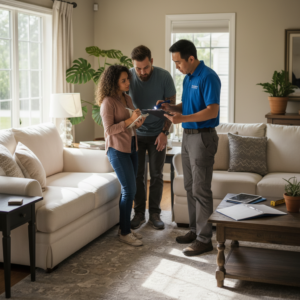
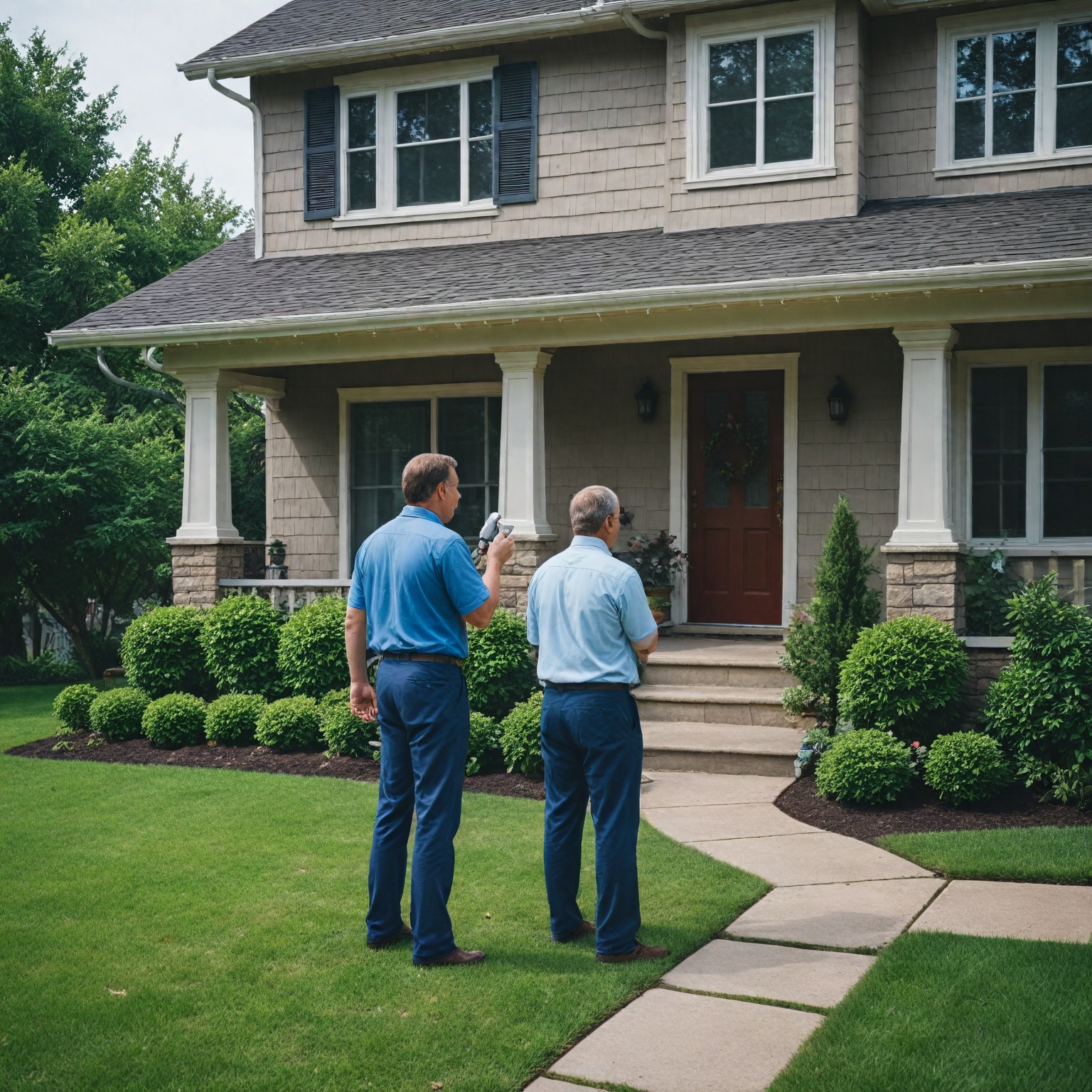
A home inspection is a critical step in the home buying process, providing a noninvasive, visual examination of a property’s physical structure and systems to assess its overall condition. Typically lasting two to four hours, though sometimes longer depending on the size of the house, the inspection covers visible and accessible areas such as the roof, attic, basement, electrical and plumbing systems, exterior, and more. Buyers are encouraged to attend the inspection, as this allows them to learn more about the home firsthand and ask questions directly to the inspector during the process.
During the inspection, the home inspector conducts a thorough visual review, identifying defects that could affect the home’s structural integrity or safety. However, the inspection is limited to what is visible and accessible; inspectors do not look inside plumbing, sewer lines, behind walls, or move heavy objects. The inspector documents their findings with detailed notes, photographs, and checklists, culminating in an extensive report that outlines any necessary repairs or concerns.
Once the inspection is complete, the written report is typically delivered within a few days to a week, depending on market conditions and the inspector’s schedule. Buyers should carefully review this report to understand the home’s condition. If issues are found, buyers can negotiate with the seller to either reduce the sale price or require repairs prior to closing. Some buyers and their agents seek expert opinions or repair estimates from contractors to better understand the potential costs, which can be valuable during negotiations.
It is important to prepare the home properly before inspection to ensure easy access to critical areas such as the furnace, crawl spaces, and drainage points. Utilities should be reconnected if shut off, and the path to key inspection points should be clear to facilitate the process. Typically, the buyer and their agent are present during the inspection, and occasionally the seller’s agent. However, sellers are usually advised to avoid attending to prevent emotional conflicts or discomfort during discussions of defects.
Components Covered in a Standard Home Inspection
A standard home inspection is a noninvasive, visual examination of a home’s physical structure and systems, designed to assess the overall condition of the property. During the inspection, a certified home inspector evaluates multiple key areas of the house, ranging from the roof to the foundation, to identify any defects or safety concerns that may affect the home’s value or livability.
The primary components covered typically include the structural elements such as the foundation, walls, ceilings, floors, and roof. Inspectors look for signs of settling, cracking, or other structural damage that could compromise the home’s stability and safety. For example, uneven flooring, cracks in walls or ceilings, and improperly closing doors or windows are common indicators of foundation issues. Roof inspections focus on the condition of shingles, checking for broken or missing pieces that might cause leaks or further damage over time.
Mechanical systems are another critical area of assessment. Inspectors examine the electrical panel and wiring for any hazards such as frayed wires or non-functioning components, and they test plumbing systems by running faucets and checking for leaks or malfunctioning heaters. HVAC systems are also reviewed to ensure they are operating correctly, as these are essential for maintaining home comfort and safety.
Additionally, inspectors evaluate the exterior elements of the home, including windows, doors, and drainage systems, as well as interior spaces like the attic and basement. While the inspection covers many systems and components, it is important to note that it is strictly visual; inspectors do not move belongings, open walls, or conduct invasive testing. This means some issues, such as plumbing or sewer system problems hidden behind walls, may go undetected during a standard inspection.
Safety hazards are also a focus, with inspectors looking for potential risks like asbestos, lead paint, radon, carbon monoxide, or faulty wiring, all of which can impact health and the home’s appraisal value. Though pest inspections, including those for termites or other wood-destroying organisms, are essential, they are generally considered separate add-on inspections and are not part of a standard home inspection.
Common Home Inspection Findings
Home inspections involve a thorough assessment of a property’s condition, examining everything from the roof down to the foundation and evaluating various systems within the home. During this process, inspectors identify issues that could be costly to repair or potentially hazardous. Among the most frequent findings are problems related to the roof, electrical systems, and windows.
Electrical issues are commonly noted, including non-functioning components or hazardous conditions such as frayed wiring, which may lead to a failed inspection if deemed serious enough. Plumbing problems also frequently arise, encompassing leaks, malfunctioning water heaters, and sewer concerns. Additionally, pest damage caused by termites, rodents, or other vermin is a notable concern and can significantly impact the inspection outcome.
Mold often accompanies water damage and is another critical finding that may cause inspection failure due to its health risks and potential to indicate underlying moisture problems. Structural defects, such as cracks in foundations, walls, or ceilings, sagging floors, or termite damage, are among the most severe issues discovered during inspections, as they can greatly affect the home’s safety, value, and financing options.
Inspectors differentiate between minor defects and serious problems, advising buyers on the relative severity of each issue. While many defects listed in a report are minor and may not require immediate attention, significant problems—especially those posing safety hazards like asbestos, lead paint, radon, carbon monoxide, or faulty wiring—warrant careful consideration and potentially impact the appraisal and lending process.
Understanding these common findings allows buyers to negotiate repairs or price adjustments with sellers, ensuring informed decisions and peace of mind during the home buying process.
Cost and Factors Influencing Home Inspection Pricing
The cost of a home inspection varies widely depending on several key factors such as the size, age, and location of the property. On average, a home inspection typically ranges from $200 to $500, with smaller properties like a 1,000 square foot apartment costing around $200 to $250, and single-family homes generally falling between $300 and $400. Some sources note that prices can extend even higher, up to $1,200, especially for larger or more complex properties and depending on geographic location.
Geographic location significantly influences inspection pricing. For instance, the national average cost is approximately $343, but this can vary from as low as $296 to upwards of $424 or more depending on regional market conditions and local demand for inspection services. Additionally, the local real estate market dynamics play a role; in a competitive seller’s market, buyers may be more inclined to waive inspections to expedite the closing, while in a buyer’s market, sellers might invest in repairs revealed by inspections to retain prospective buyers.
Homebuyers are typically responsible for scheduling and paying for the inspection, which usually covers the major systems of the home. However, depending on the property’s age, condition, or location, specialized inspections—such as for mold, radon, or termites—may be advisable and add to the overall cost. It is essential to consider these additional inspections, particularly if common issues are prevalent in the area.
Role of Real Estate Agents in the Home Inspection Process
Real estate agents play a crucial role in guiding buyers through the home inspection process, helping them navigate what can often be a complex and overwhelming step in purchasing a property. Beyond simply recommending that a home inspection be conducted, agents assist buyers in understanding the purpose and scope of the inspection, which is a noninvasive, visual assessment of a home’s physical condition, including its structure, roof, electrical system, plumbing, and more.
Agents often encourage buyers to attend the inspection so they can observe firsthand any issues the inspector identifies and ask questions about the home’s condition and potential future problems. This involvement helps buyers gain a clearer understanding of the property and empowers them to make informed decisions.
Once the inspection report is received, real estate agents help buyers analyze the findings and prioritize necessary repairs or concerns. Some agents, especially when representing buyers, prefer to gather additional expert opinions and repair bids to better estimate costs associated with major repairs. This detailed information can be critical during negotiations with sellers, enabling buyers to request specific repairs or price adjustments based on credible estimates.
Furthermore, while buyers typically hire their own licensed home inspectors to maintain control over the process, agents provide support by
Negotiating Repairs and Price Adjustments After Inspection
After a home inspection reveals issues, buyers often enter a negotiation phase with the seller to address necessary repairs or price adjustments. The inspection report serves as a foundation for these discussions by detailing the condition of the property and listing any repairs needed. Buyers may request that sellers complete repairs before closing or provide financial credits to cover repair costs.
Some buyers and their agents simply use the inspection report to draft a repair addendum, leaving it to the sellers to determine repair costs. However, a more informed approach involves obtaining expert opinions and repair bids from contractors to better understand the scope and expense of necessary fixes. This data can strengthen a buyer’s negotiating position, particularly for larger or costly repairs.
It is advisable for buyers to prioritize repairs based on their long-term plans. For example, negotiating minor cosmetic issues such as cabinet doors or outdated appliances may be unnecessary if the buyer intends to renovate those areas soon. Bringing supporting documentation—such as inspection report excerpts, contractor quotes, and credible research—can help substantiate requests during negotiations.
Buyers benefit from being present during the inspection to ask questions, observe problem areas firsthand, and clarify the inspector’s recommendations. This engagement facilitates a deeper understanding of the home’s condition and maintenance needs, which is valuable during negotiations.
Real estate agents play a crucial role in navigating this process. Experienced agents help clients distinguish between repairs worth negotiating and those better handled later. They also assist in maintaining a constructive relationship with sellers, which is particularly important in different market conditions. In a buyer’s market, sellers may be more willing to make concessions, but they are not obligated to complete any repairs.
Ultimately, armed with thorough knowledge and professional guidance, buyers can make informed decisions about requesting repairs or price reductions, ensuring that the transaction aligns with their budget and willingness to undertake future renovations.
Legal and Regulatory Considerations
Home inspections are subject to various legal and regulatory frameworks that differ by state, impacting who can perform inspections, licensing requirements, and standards of practice. For instance, in Ohio, home inspectors must be licensed by the Ohio Department of Commerce’s Division of Real Estate & Professional Licensing and the Ohio Home Inspector Board, following legislation enacted in January 2019 requiring all compensated home inspectors to hold a valid license. Similarly, California enforces the Trade Practice Act of 1996, which prohibits unethical home inspection practices and encourages adherence to the American Society of Home Inspectors (ASHI) Standards of Practice and Code of Ethics, as well as guidelines from the California Real Estate Inspection Association (CREIA).
Regarding the presence of real estate agents during inspections, rules vary and are sometimes unclear. Some states mandate that a licensed Realtor be present with the inspector during the home inspection, especially when the inspection is conducted on behalf of the buyer. This presence allows the buyer’s agent to use inspection findings effectively during negotiations. However, in states like North Carolina, there are no explicit written rules requiring the buyer’s agent to be present, although the practice is often recommended to protect clients’ interests. The buyer’s agent’s involvement can be critical in interpreting inspection results, requesting repairs or credits, and facilitating negotiations between buyers and sellers.
Buyers should also be aware that waiving a home inspection to expedite or strengthen an offer can be risky, as inspections help uncover potential structural or safety issues that may otherwise go unnoticed. While the legal frameworks provide minimum standards, buyers are encouraged to consult qualified professionals and relevant state regulations to ensure compliance and protect their investment during the homebuying process.
Home Inspection Reports and Property Appraisals
Home inspection reports and property appraisals serve distinct but complementary roles in the home buying process. A home inspection involves a detailed assessment of a property’s condition, where inspectors examine everything from the roof to the foundation, focusing on various systems to identify potential issues that may be costly or dangerous, such as problems with the roof, electrical wiring, or windows. The inspection report provides the buyer with critical information about the home’s condition, enabling them to negotiate repairs, adjust the sale terms, or, in some cases, withdraw from the purchase agreement.
In contrast, a property appraisal primarily evaluates the home’s market value based on factors such as location, size, condition, building materials, neighborhood characteristics, and recent sales of comparable properties. Unlike inspectors, appraisers do not conduct an exhaustive examination of the home’s structural elements or systems; they typically do not enter attics or crawl spaces but instead rely on visual assessments, public records, and market data to determine fair market value. The appraisal process is usually initiated after the buyer’s offer is accepted and is often required by mortgage lenders as a condition for loan approval, whereas a home inspection, although highly recommended, is generally optional.
One key area where inspections can influence appraisals is the identification of serious structural defects, such as foundation cracks, sagging floors, water damage, mold, or termite infestations. Such issues not only affect the safety and livability of the home but can also decrease its appraised value and complicate financing. Buyers often include inspection contingencies in purchase agreements, allowing them to back out if the inspection reveals significant problems.
Tips for Buyers to Maximize Inspection Benefits
To make the most of a home inspection, buyers should be actively involved throughout the process. Being onsite during the inspection allows buyers to ask questions, observe problem areas firsthand, and gain a clearer understanding of the inspector’s findings and recommendations. This engagement helps buyers better grasp the condition of the home and identify any potential issues that may need attention.
Gathering additional expert opinions and repair bids can further enhance a buyer’s understanding, especially for costly repairs. While some buyers use the inspection report merely as a checklist to request repairs, obtaining multiple contractor bids provides concrete cost estimates that can be instrumental in negotiations with sellers. This approach ensures buyers have comprehensive information to make informed decisions and negotiate effectively.
Transparency is also crucial in the inspection phase. Buyers should be aware of any known issues disclosed by the seller during pre-inspection, as undisclosed problems can lead to distrust and complications down the line. Moreover, a home inspection is not only about uncovering defects but also about reassuring buyers of their investment by revealing the true condition of the property before closing.
Common Myths and Misconceptions About Home Inspections
One common misconception about home inspections is that they are a simple pass or fail test. Many buyers and sellers hope that a home will “pass inspection,” implying a clear-cut outcome. However, the reality is much more nuanced. The concept of “passing” an inspection varies depending on the perspectives of individual home inspectors, buyers, and sellers, as the process is more about identifying issues than providing a definitive verdict on the home’s condition.
Another myth is that a home inspection covers every possible issue within a property. In fact, inspectors generally focus on visible and easily accessible areas of the home. This means that hidden problems or specialized systems may not be included in the inspection report. Buyers should be aware that an inspection is not an exhaustive examination of every aspect of the home.
Additionally, home inspections are sometimes misunderstood as a punitive or judgmental process. Brian Wendorf of Integrated Home Inspections likens them to visiting a trusted general practitioner. The inspection serves as an overall health evaluation of the home and can lead to recommendations for specialist evaluations if latent issues are suspected. This analogy highlights that the inspection is intended as a helpful diagnostic tool rather than a pass/fail test.
Glossary of Terms
An appraisal is an independent analysis conducted by a licensed appraiser to determine a home’s worth based on current market conditions. This valuation considers factors such as the home’s location, size, and the value of comparable homes, commonly referred to as “property comps.” These comps serve as a benchmark by comparing the home in question to the selling prices of similar homes in the same area.
In contrast, a home inspection evaluates the physical condition of a property by assessing its structure and systems. The purpose of the inspection is to identify any issues that may require costly repairs, rather than to establish the market value of the home.
These terms, along with others related to the home buying process, are detailed within InterNACHI’s Standards of Practice glossary.
The content is provided by Jordan Fields, Brick By Brick News