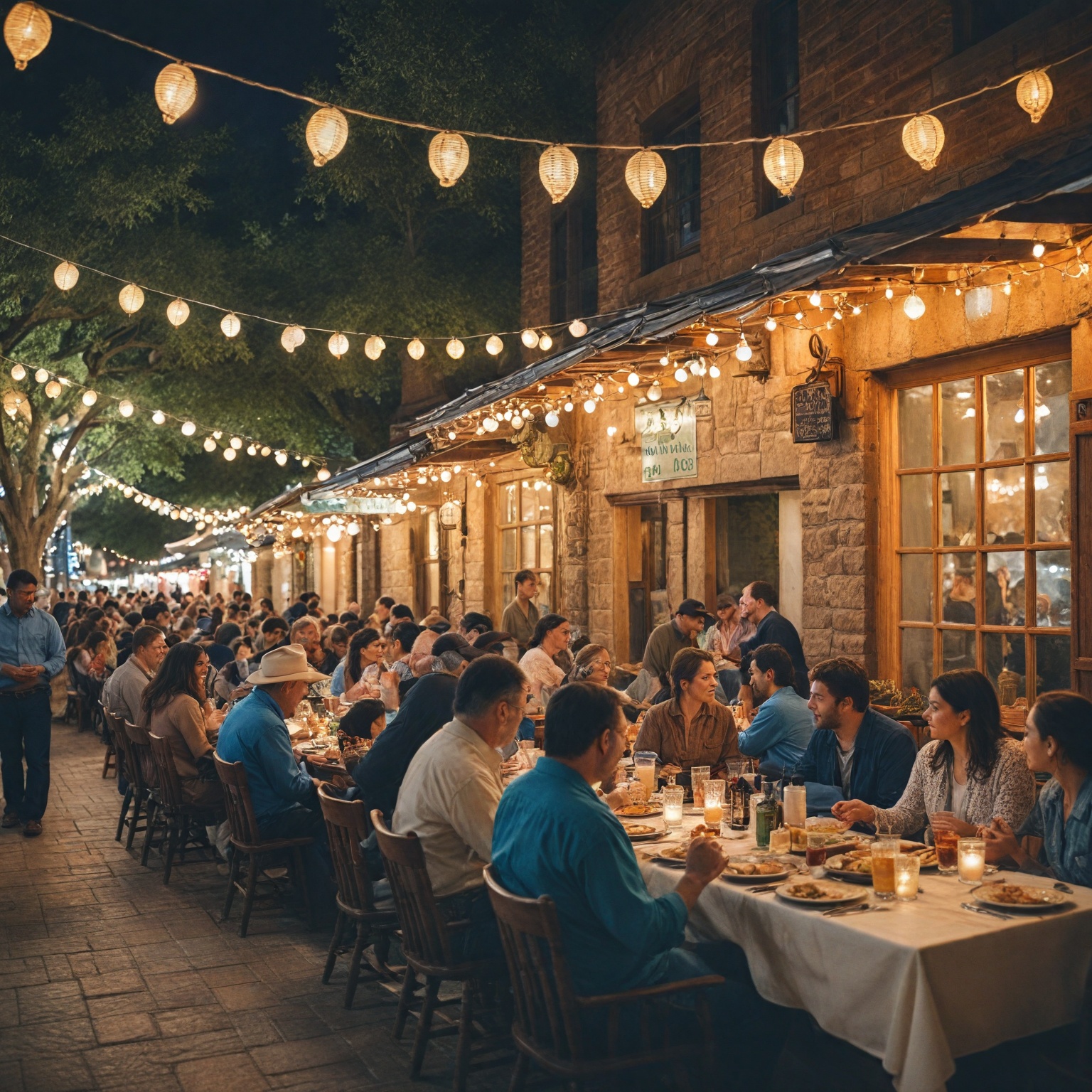
Summary
Texas is a diverse state in the southern region of the United States, known for its rich cultural history, iconic cuisine, and significant landmarks. The state is divided into five distinct regions: East Texas, Central Texas, North Texas, South Texas, and West Texas, each distinguished by unique cultural characteristics shaped by different communities. Texas’s historical narratives, from the Battle of the Alamo to its frontier tales, contribute to its enduring allure and are subject to extensive research. The state’s demographic diversity and multicultural influences reflect its historical roots and contemporary growth. Furthermore, the distinct Texan cuisine, including the popular Tex-Mex dishes, reflect the state’s historical and cultural influences. The economy of Texas is significantly influenced by its culinary scene, with food culture attracting culinary tourism. Texas’s political landscape, shaped by factors including its cuisine, contribute to its unique position within the United States. The state places great emphasis on education, both in formal and informal settings, which are deeply integrated into its culture and traditions. The state is also renowned for its sports culture, particularly rodeo, and its cowboy lifestyle. Famous Texans and Texan folklore contribute to the rich cultural tapestry of the state. Some lesser-known facts about Texas, including its provision to divide into five separate states and its home to the largest known bat colonies in North America, add to the intrigue of the Lone Star State.
Geography
Texas, a diverse state in the southern region of the United States, is divided into five distinct regions: East Texas, Central Texas, North Texas, South Texas, and West Texas. Each of these regions is identified by their unique urban centers and cultural characteristics. The cultural influences that shape each region include the German Texan, Tejanos, Cajuns, Irish, African American, and White Anglo-Southern communities, which were established before the republic era and statehood.
In addition to these regions, Texas is also known for the Texas Triangle. The Texas Triangle is an interstate corridor between the three major Texan cities closest to the geographic center – Houston, Dallas-Fort Worth, and San Antonio – each representing different cultural areas. For example, East Texas is known for its haunting folklore tales such as the Bragg Lights, a phenomenon many attribute to the ghost of a decapitated railroad worker.
The geographical division of Texas also impacts the local cuisines. The cooking styles on both sides of the U.S.-Mexico border were the same until a period after the U.S. Civil War, when American ingredients and cooking appliances became more common on the U.S. side, particularly in Texas. This change is notably evident in the popularity of dishes such as fajitas, which have been a staple in Tex-Mex cuisine since the 1970s.
History
The rich history of Texas is inextricably linked to its status as a frontier land and a symbol of the burgeoning nation that is the United States. This history has been infused with myths, legends, and tall tales, some of which have roots in East Coast Voudon tradition rather than South Texas tradition. The Battle of the Alamo, in particular, has given birth to a wealth of stories, some based on fact, others completely fabricated. These tales, passed down through newspapers and word-of-mouth, have not only contributed to the allure of Texas but have also been subject to extensive historical research to distinguish fact from fiction.
Throughout the state, regional historical associations have worked to preserve this rich past by restoring 19th-century homes. These efforts reflect the strong sense of past and heroism felt by native Texans. The state’s history of independence and frontier spirit is deeply embedded in its identity and continues to inform it today. These developments have also greatly influenced the state’s culture, economy, and demographics, with Texas boasting a diverse and rapidly growing population.
Furthermore, Texas’s history is reflected in its cuisine, which carries influences from Mexico, Southern, African American, Native American, and European cultures. The history of Tex-Mex cuisine, in particular, has deep roots in both Spanish and Native American culture. This iconic cuisine, which includes dishes like chicken-fried steak and pecan pie, has seen its popularity rise and fall over the years, but remains a cherished part of Texas’s cultural heritage.
In addition to the rich folklore and gastronomy, Texas is also renowned for its cultural contributions, from being the home to North America’s most populous bat colony to its oil tycoons and the popular TV series, Dallas. The state’s flag, bearing the colors red for bravery, white for purity, and blue for loyalty, further represents the iconic Texan spirit. Even today, many of the seemingly farfetched tales about Texas are based in fact, testifying to its enduring allure.
Demographics
Texas is renowned for its diversity, boasting one of the most ethnically and culturally varied populations in the country. Each city in Texas offers its own unique blend of cultures. Houston, the state’s largest city, is celebrated for its energy industry and diverse economy. It is also noted for having a substantial population, which contributes to its cultural heterogeneity.
Dallas-Fort Worth Metroplex, a major business hub, is distinguished for its prosperous tech sector. San Antonio combines historical charm with modern development, while the state capital, Austin, has become a hub for tech companies and creative industries. Each of these cities, along with Fort Worth, which continues to maintain its cowtown roots while embracing urban growth, adds to the state’s diverse demographic fabric.
The state’s history of independence and frontier spirit continues to play a crucial role in its identity, with significant Hispanic and Mexican American influences shaping its society. Furthermore, the culture of Texas is also influenced by significant migration from the American North and West, differing from its eastern neighbors in the Deep South.
In sum, the demographics of Texas showcase a diverse and rapidly growing population, reflecting a rich blend of cultures that continue to shape the state’s society, culture, and economy.
Economy
Texas’ economy is influenced significantly by its vibrant culinary scene. This rich food culture reflects a fusion of various cuisines and cultural practices, reflecting the state’s diverse history.
Tex-Mex, a culinary blend of Texas and Mexican cuisine, is a prime example of this fusion. Originating in the 1940s, Tex-Mex is an adaptation of traditional Mexican dishes by Texas cooks and has remained a strong influence on the state’s culinary identity. Many believe that the blend of Mexican flavors works well because Mexican cuisine, at its heart, is a fusion of many different cultures that have influenced its rich history.
Iconic dishes such as brisket, chili, and chicken-fried steak contribute to Texas’ reputation for exceptional cuisine. These dishes not only appeal to the palate but also contribute to the state’s economy as they attract culinary tourism. Additionally, the state’s unique take on global dishes, such as the infusion of spicy Thai basil with traditional Italian pasta, highlights the adventurous spirit of Texas’ cuisine. This culinary hybridization, brought about by the effects of globalization, encourages a broader perception of food diversity and underpins the state’s economic vitality.
Moreover, the allure of Texas extends beyond its culinary scene to include the state’s rich cowboy culture and famous BBQ, further adding to its economic draw. Overall, Texas’ economy is a vibrant blend of traditional and contemporary influences, reflecting its rich history and diverse cultural practices.
Government and Politics
Texas has a rich political history and a unique position within the United States. Since its founding on December 29, 1845, the state has been a land of legend, with many of its tales steeped in truth. One unique aspect of Texas is its independent power grid, which was established during World War II to ensure that all Texas factories producing critical war supplies were self-sustaining.
The political landscape in Texas has been influenced by many factors, including its cuisine. The state takes its chili seriously, a trait it shares with the state of Illinois. The passionate rivalry between the two states over the title of “Chili Capital of the World” reached its climax in 1993, when the Illinois House and Senate passed a joint resolution to proclaim the state as such.
Additionally, individuals from various sectors have contributed to the state’s politics. Felix Tijerina, a restaurant owner, is a notable example. Tijerina’s chain of Felix Mexican Restaurants served as a bridge between cultures, with Tijerina Americanizing traditional Mexican food to appeal to local Texans. His success in the restaurant industry enabled him to enter politics and become active in the League of United Latin American Citizens (LULAC). Tijerina held the position of the national president of LULAC from 1956 to 1960, contributing to the political landscape of Texas.
The narratives of Texas are a blend of facts, myths, and legends that have spread across the United States and beyond. This combination has shaped the unique political and cultural identity of Texas, adding to the allure of the Lone Star State.
Education
Texas places a great emphasis on education, integrating it deeply into its culture and traditions. In many instances, learning is conducted outside of traditional classroom settings. For example, many schools and cultural organizations in Texas offer cooking classes and workshops, teaching traditional recipes and techniques. These classes serve not just to teach culinary skills, but also to imbue students with a sense of their cultural heritage, emphasizing the importance of passing these traditions onto future generations.
In addition to learning culinary arts, children in Texas also learn about their state’s rich history and culture. From as early as the 7th grade, Texans are immersed in their state’s culture and history. This educational emphasis extends to the state’s higher education system. The University of Texas at San Antonio’s Institute of Texan Cultures, for instance, operates both as a museum and a significant center for research on the diverse ethnic groups that have contributed to Texas history.
Even within the informal learning environment, such as family gatherings or communal activities, education thrives. Families play a crucial role in this informal education by sharing traditional recipes and cooking traditions, ensuring these practices are passed down through the generations.
Moreover, the narrative arts, such as the sharing of anecdotes and tall tales, play a pivotal role in the education system in Texas. These stories often encapsulate the essence of Texan character and provide insights into the state’s unique cultural and historical context. For example, the tale of the ‘meat shot’ demonstrates the ingenuity and creativity inherent in Texan culture.
Cuisine
Texan cuisine is a blend of influences that mirrors the state’s diverse cultural history. This includes a blend of Southern, African American, Native American, European, and notably Mexican influences . Southern food, itself a blend of African, Native American, and European influences, has evolved over centuries and has a major impact on the culinary traditions of Texas .
Tex-Mex, born from this blend of cultures, is particularly noteworthy. It’s a fusion of traditional Mexican flavors and Texan influences, creating unique dishes beloved by many . This hybrid cuisine began to take form in the early 20th century, when the first Tex-Mex restaurants opened in San Antonio . Ingredients like beef, yellow cheese, wheat flour, black beans, cumin, and canned vegetables are staples in this cuisine . Tex-Mex dishes encompass a large swath of food, including chile con queso, nachos, tacos al carbon, enchiladas, and fajitas to name just a few .
Dishes and Ingredients
Texan cuisine embraces umami-rich ingredients such as aged cheeses, mushrooms, and fermented sauces, which are used in innovative ways in both casual and upscale dining establishments . The state’s agricultural abundance, historical cooking techniques, and the preservation of cultural heritage all play a role in the distinctive taste of Texan dishes . Some iconic dishes include chicken fried steak, pecan pie, and barbecue, all of which have become synonymous with the state .
### Tex-Mex Influence
Tex-Mex stands as a symbol of cultural heritage and culinary innovation, enjoyed far beyond its Texan origins . The Chili Queens of San Antonio played a significant role in popularizing this cuisine, adapted from the home cooking of Tejanos, or people of Mexican descent living in Texas . Traditional Mexican recipes have been adapted and incorporated American ingredients like yellow cheddar cheese and have also been influenced by fast food culture . Dishes like chili con carne and fajitas are representative of this blend of influences .
### Signature Dishes
Chicken-fried steak is considered a quintessential Texan dish, especially on Texas Independence Day . There are three distinct styles of this dish in the Lone Star State, reflecting the regional diversity of Texas . It is said that this iconic dish was adapted from wiener schnitzel by German and Austrian immigrants .
Texan desserts are not to be forgotten, with fudgy Texas sheet cake and fruit-filled kolaches being quite popular . The state is also known for its cocktail creation, such as the legendary Texas cocktail said to be created for singer Peggy Margaret Lee in 1946 in Galveston, Texas .
Thus, the cuisine of Texas represents a cultural tapestry, embodying the state’s independent spirit and multicultural heritage .
Landmarks and Tourist Attractions
Texas, a state renowned for its vibrant cities, cowboy culture, and BBQ, is also home to many iconic landmarks and tourist attractions. One of the most popular attractions is the Lady Bird Lake in Austin, known for its bats that fly out every night, representing the largest known urban bat colony in the U.S.
Another noteworthy landmark in Texas is the state capitol building in Austin. Not only is it an important political landmark, but it also stands out in its grandeur as it is 15 feet taller than the U.S. Capitol, making it an architectural marvel to behold.
Adding to its intriguing allure, Texas is steeped in folklore and ghost stories, offering a thrill to those who enjoy exploring haunted locations. These horror tales and urban legends seem to stem from a variety of cultural traditions, marking the state as a fascinating study of cultural diversity and historical richness.
Moreover, Texas is not just about tall tales and historical monuments. The state boasts a vibrant arts and literature scene, reflecting its diverse cultural heritage. This rich artistic landscape is manifested in various art galleries, literature festivals, and cultural events across the state, inviting tourists and locals alike to immerse themselves in the state’s vibrant cultural tapestry.
Sports
In the realm of sports, Texas has a rich and vibrant history that is deeply embedded in its culture. The state’s most beloved sport, rodeo, has been officially declared as the state’s official sport by the 75th Legislature of the State of Texas, solidifying its significance in the Texas way of life. This dedication to sports and the iconic cowboy culture has been showcased in popular media, including the globally popular TV series “Dallas”.
Texas sports culture is not only confined to traditional sports but also extends to unique and unusual sporting activities. For instance, a fascinating fact about Texas is that it is home to the largest known bat colony in North America, located in Bracken Cave in San Antonio. This colony, which houses an astounding 20 million-plus bats, introduces a whole new perspective on sports in the state
Famous Texans
Throughout history, Texas has been home to numerous noteworthy figures, some of whom have been immortalized in folklore and cinema. A significant example is William Shafter, a Civil War general who was dubbed “Pecos Bill”. This moniker was established before the legend was created by O’Reilly, and Shafter was revered as a Texas hero, with poetry written about his toughness.
Moreover, Shafter’s legendary persona was portrayed by prominent actors in various films. In a 1985 episode of “Tall Tales & Legends”, actor Steve Guttenberg depicted the character, while Patrick Swayze took on the role in Disney’s 1995 film “Tall Tale”. The latter film also included a brief narration of the story “Pecos Bill”, substituting the character Sue with a man named Lanky Hank.
Furthermore, famous stories, anecdotes, and tall tales have emerged from Texas, including “The Celebrated Jumping Frog of Calaveras County”. This yarn, primarily focused on the character Jim Smiley, is one of the most widely known stories the nation has produced.
The legend of Oscar Washburn, and his haunted bridge, is another intriguing story from Texas. This tale has been closely analyzed by Asser and Dr. Treat, who have linked it with the historical realities faced by Black Texans during the Jim Crow Era.
Texan Legends and Folklore
Texas, known for its vast, vibrant culture and history, is also home to a plethora of urban legends and ghostly tales. These stories, deeply rooted in the local folklore, provide insight into the state’s diverse cultural fabric. Many of these tales are rooted in Mexican and Latin culture, reflecting the multicultural heritage of South Texas.
One of the most striking examples is the tale of the Liberty Hill Witch, which illustrates how the Internet is changing the way urban legends spread. While it’s recognized as a hoax, there is a wealth of evidence suggesting that this tale is deeply rooted in the legends of persecuted black women, like Chloe from the Myrtles Plantation in Louisiana. Chloe, according to lore, was a slave who poisoned the family that enslaved her.
Another notable tale in the Texan folklore is the Lechuza legend, a popular urban legend deeply embedded in Mexican folk traditions. This tale, one of the most enduring stories of the Texas-Mexico border, is often cited by historian Richard G.
Apart from the ghostly tales and urban legends, the Texan spirit also manifests in the state’s cuisine, an embodiment of the state’s independent spirit and multicultural heritage. Traditional dishes like chili con carne and chicken fried steak represent a blend of influences from Mexican, German, and Southern traditions.
In Texas, the sense of the past and of the heroics of living in a frontier land is deeply ingrained in the culture. The rich lore of the state, filled with tales of legends, ghosts, and historic heroics, has become an integral part of Texas’ cultural allure.
Lesser Known Facts about Texas
Texas, also known as the Lone Star State, is rich in unique cultural aspects, history, and lesser-known facts that add to its allure. Notably, it holds a provision that allows it to potentially divide into up to five separate states, a right that was part of the terms when Texas joined the United States in 1845.
The state has a significant influence on American cowboy culture, particularly through its strong ranching tradition. This influence extends into national and international pop culture, with the state strongly associated with the cowboy image in westerns and country western music. The love for cowboy culture and the sense of living in a frontier land have traditionally been strong among Texans, and this is reflected in the preservation of 19th-century homes throughout the state.
Texas cuisine also has a unique place in the state’s culture, with a taste for cabrito (kid goat), barbacoa de cabeza (barbecued beef heads), carne seca (dried beef), and other products of cattle culture common on both sides of the Rio Grande. The influence of Tex-Mex on Texas cuisine, with Americanized elements like Cheddar, jack, and pimento cheeses, became prominent in the 20th century.
Furthermore, Texas is home to the largest known bat colonies in North America. Bracken Cave houses over 20 million bats, more than the entire human population of Mexico City. Lady Bird Lake in Austin is also home to the largest known urban bat colony in the United States.
Lastly, Texas is steeped in folklore and urban legends, many of which are deeply rooted in Mexican folk traditions. Among the most enduring is the tale of the Lechuza, a story popularized by historian Richard G. Other horror tales and haunted locations contribute to the state’s rich tapestry of ghost stories.
The content is provided by Avery Redwood, Brick By Brick News