Summary
Dream garden homes for sale cater specifically to plant enthusiasts by offering properties that blend beautiful living spaces with ideal gardening environments. These homes range from charming cottages with established perennial beds to modern retreats featuring edible landscapes and advanced greenhouse systems, appealing to gardeners of all experience levels. Notable for their integration of sustainable and eco-friendly design elements, many of these homes incorporate natural materials, passive or active solar heating and cooling, and attached solar greenhouses, creating cohesive indoor-outdoor living spaces that promote environmental stewardship.
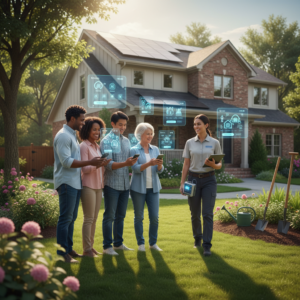
These properties emphasize both aesthetic appeal and functionality, with spacious yards designed for a variety of gardening pursuits such as raised vegetable beds, pollinator-friendly flower gardens, and drought-tolerant native plants. Indoor gardening is also supported through careful consideration of houseplants suited to diverse light conditions, contributing to improved air quality and well-being. Innovative greenhouse technologies, including smart climate control systems accessible via smartphones, enhance year-round cultivation by optimizing temperature, humidity, and watering schedules, thereby increasing gardening efficiency and sustainability.
Sustainability remains a central theme in dream garden homes, encompassing water conservation through drought-resistant species, soil health improvement with organic practices, and the use of recycled or renewable materials in garden infrastructure. These environmentally conscious approaches not only reduce ecological footprints but also contribute to biodiversity and carbon sequestration, aligning with broader goals of ecological balance and food security.
Overall, dream garden homes represent a growing niche in the real estate market for buyers seeking a harmonious lifestyle that integrates gardening passion with modern sustainable living. These properties are notable for their combination of traditional horticultural charm and cutting-edge technology, offering a personal sanctuary where plants and people can thrive together.
Overview of Dream Garden Homes
Dream garden homes offer an ideal environment for gardening enthusiasts, featuring a diverse range of properties that cater to various levels of experience and gardening interests. These homes include charming cottages with established perennial beds, modern retreats that incorporate edible landscapes, and greenhouses designed to support year-round cultivation. Whether a gardener is seasoned or just beginning to plant their first seeds, these properties provide the perfect patch of earth to nurture a thriving garden.
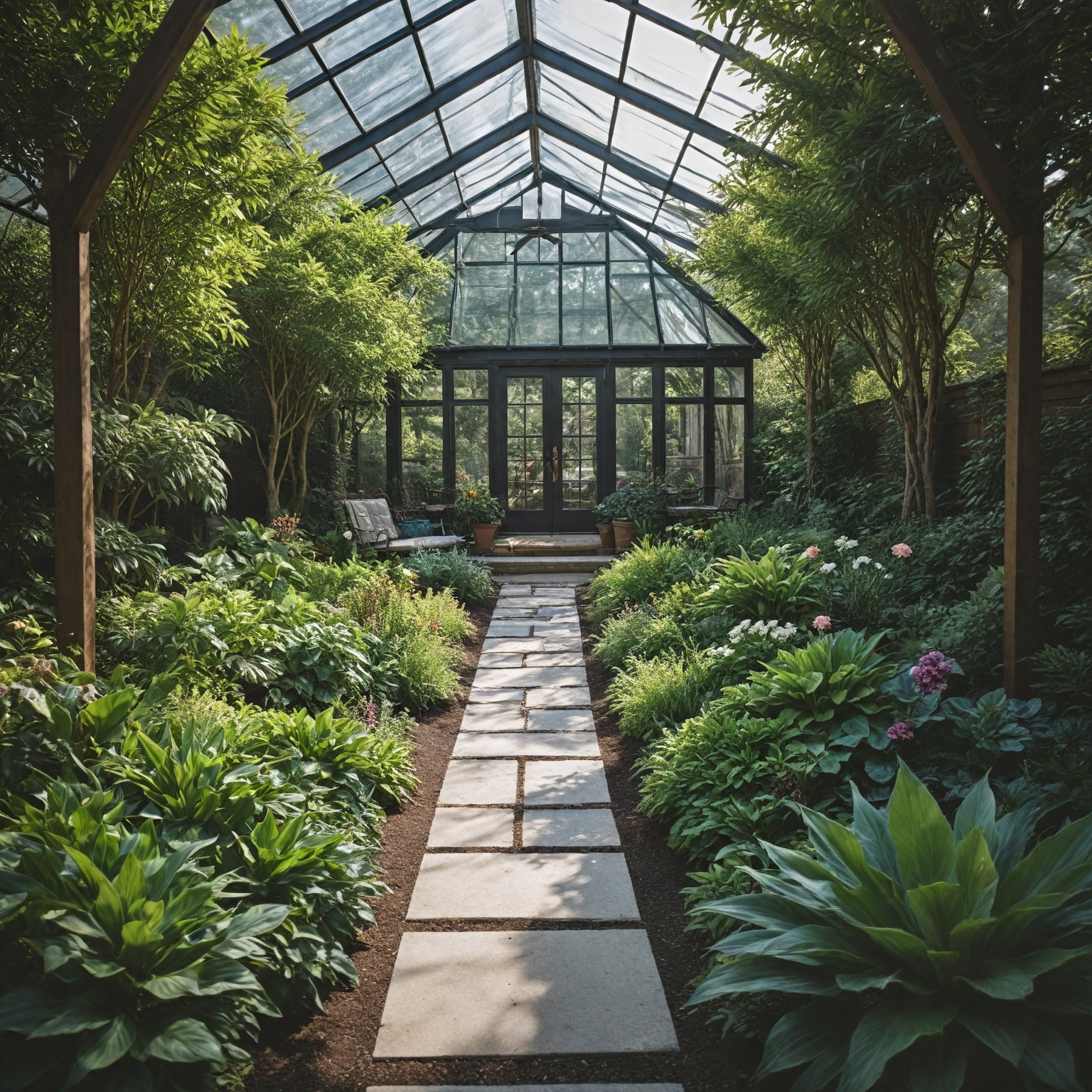
A key aspect of these homes is the integration of sustainable and eco-friendly design elements. Many of the featured properties utilize natural materials and incorporate passive or active solar concepts for heating and cooling. Some include attached solar greenhouses and naturally cooled pantries, which contribute to a greener lifestyle and enhance the overall gardening experience. This harmony between the house and garden creates visually appealing and cohesive outdoor spaces that respect environmental considerations.
Furthermore, these homes accommodate a variety of indoor gardening options. House plants suitable for any light condition can complement the outdoor garden, allowing plant enthusiasts to bring greenery indoors and benefit from improved air quality and reduced stress levels. Popular indoor plants, such as those with distinctive foliage and growth habits, add aesthetic appeal while thriving in typical home environments.
Architectural Styles and Sustainable Design
The architectural styles featured in the Dream Garden Homes collection emphasize sustainable design principles that cater to environmentally conscious homeowners and plant enthusiasts. Each home incorporates natural materials and innovative features such as passive or active solar heating and cooling systems, attached solar greenhouses, and naturally cooled pantries. These elements collectively contribute to a greener lifestyle by minimizing energy consumption and promoting eco-friendly living.
The designs often include spacious outdoor areas that seamlessly integrate with the natural environment, such as sunlit decks and expansive yards suitable for gardening and outdoor entertaining. For example, one property boasts a 0.27-acre landscaped lot with ample space for raised vegetable beds or pollinator-friendly flower gardens, providing both aesthetic appeal and functional garden space for residents. Another home, set on a two-acre lot, offers a treed landscape that enhances privacy while creating a tranquil setting for nature lovers.
Sustainable gardening practices complement the architectural design of these homes, incorporating recycled or reused materials like compost bins and garden trimmings, as well as water and energy conservation methods. The use of organic fertilizers, mulching, and no-tillage planting techniques are encouraged to reduce environmental impact and improve soil health, effectively transforming gardens into carbon sinks.
In addition, sustainable planters crafted from renewable resources are featured, offering durability and minimizing ecological harm compared to traditional containers. These planters support eco-friendly gardening both in home gardens and commercial spaces. The integration of smart technology, such as automated greenhouse systems that control temperature, humidity, and watering schedules remotely, further enhances the sustainability and ease of garden maintenance.
The combination of modern sustainable architectural design and eco-conscious gardening creates a holistic approach to living that promotes environmental stewardship while providing a beautiful and functional home environment for plant enthusiasts.
Innovative Greenhouse Technologies and Climate Control
The integration of innovative greenhouse technologies has revolutionized the way plant enthusiasts cultivate and maintain their gardens, combining sustainability with efficiency and convenience. Modern greenhouses increasingly incorporate smart technology that allows precise control over environmental factors such as temperature, humidity, and watering schedules, often accessible remotely via smartphones. This level of automation helps create a stable environment that minimizes plant stress and promotes vigorous growth, enhancing the overall gardening experience.
One of the simplest yet most effective devices for maintaining optimal greenhouse conditions is the thermostat, which can automatically activate fans, heaters, or air conditioning units based on temperature thresholds. Similarly, humidistats function like thermostats but regulate humidity by controlling humidifiers, dehumidifiers, or ventilation systems to maintain ideal moisture levels for different plant species. These tools are crucial for achieving consistency in climate control, a key factor in plant health and productivity.
Beyond automation, innovative greenhouses often utilize reflective surfaces to maximize light distribution within the structure, ensuring that all plants receive adequate sunlight. This not only improves photosynthesis but also contributes to energy efficiency by reducing the need for artificial lighting. Additionally, integrating these technologies within renewable energy-powered locations further enhances sustainability, aligning with broader environmental goals and reducing reliance on imported food sources, which can threaten food security.
The trend toward smart, climate-controlled greenhouses reflects a broader movement toward sustainable living. Efficient and easy-to-install integrated climate-control systems represent a pinnacle in home gardening technology, enabling enthusiasts to cultivate thriving plant environments year-round while minimizing ecological footprints. Such innovations transform greenhouses from simple growing spaces into functional, futuristic retreats that blend aesthetics with practical horticultural needs.
Ultimately, these advancements empower gardeners to create personal oases where plants flourish consistently, combining the charm of traditional gardening with the advantages of cutting-edge technology. This harmonious balance facilitates more rewarding and efficient home gardening endeavors, making innovative greenhouse technologies an essential feature for modern plant enthusiasts.
Garden Design Features for Plant Enthusiasts
Garden design for plant enthusiasts often emphasizes both aesthetic appeal and functionality, creating outdoor spaces that harmonize with their surroundings while accommodating a variety of plant species. Utilizing tools such as the Better Homes & Gardens Plan-A-Garden, gardeners can visualize and customize layouts with access to a comprehensive plant encyclopedia featuring over 7,500 plants, making garden planning more accessible and informed.
A key design principle is to draw inspiration from the local landscape by integrating color, texture, and cultivars of native plants. This approach fosters a natural beauty that respects the environment and promotes ecological balance. Native plants are often well-adapted to specific site conditions, but gardeners should consider that typical home gardens, with their flat terrain and amended soils, may differ significantly from wild habitats, necessitating thoughtful plant selection and placement.
Perennials are favored for their ease of care and extended season of interest, offering flowers and foliage from mid-spring through late autumn. Depending on species, some perennials provide evergreen ground cover year-round, enhancing garden structure and reducing maintenance. In contrast, annuals serve as vibrant seasonal highlights, with designs often featuring focal points such as a trellis supporting a blue morning glory to add vertical interest and color contrast.
For gardeners in dry or drought-prone regions, incorporating drought-tolerant native plants like lavender, agave, sedum, rosemary, and Russian sage allows for beautiful, low-maintenance gardens that thrive in full sun with minimal water requirements. Sustainable gardening practices complement these choices by recycling organic waste into compost, using natural deterrents instead of synthetic fertilizers, and selecting biodegradable or recycled materials to minimize environmental impact.
Effective garden composition also involves strategic use of existing architectural features such as walls and corners, combined with visual techniques like the rule of thirds to position borders and focal points harmoniously within the space. This creates a cohesive outdoor environment that visually connects with the home and enhances overall appeal.
Spacious properties provide ample opportunities for diverse planting options, including raised vegetable beds, pollinator-friendly flower gardens, and tranquil seating areas shaded by trees. Such features cater to a wide range of plant enthusiasts’ interests, from ornamental gardening to sustainable food production, making these gardens both beautiful and functional.
Popular and Recommended Plant Species
For plant enthusiasts looking to create or enhance their dream gardens, selecting the right species is essential, especially when considering factors such as drought tolerance, bloom time, and suitability for indoor or outdoor environments. Several popular and highly recommended plants stand out for their beauty, resilience, and ease of care.
Among the drought-tolerant native plants, species such as lavender, agave, sedum, rosemary, and Russian sage are particularly favored. These plants not only survive but thrive in dry, sunny conditions with minimal maintenance, making them ideal for gardens in regions prone to drought. Lavender is appreciated for its aromatic silvery-green foliage and upright flower spikes, while Russian sage adds texture and elegance with its tall, airy spikes of lavender-blue flowers and silvery-gray leaves. Both are native to arid regions, which accounts for their durability during prolonged dry spells.
In addition to drought-resistant outdoor plants, indoor gardening has gained popularity among enthusiasts who may have limited outdoor space or desire year-round greenery. Choosing indoor plants adapted to different microenvironments within the home—whether warm and humid or low-light and drafty—can be critical for success. Some indoor species are remarkably tough and can flourish almost anywhere in the house. Matching the plant’s light requirements to its location, such as placing shade-tolerant plants near north-facing windows or interior walls, greatly increases the chances of healthy growth.
For those interested in adding color and diversity, perennials like marigolds, bidens, and zinnias serve well to fill garden gaps and keep weeds at bay. These plants can often be propagated from collected seeds and arranged thoughtfully by color, flowering period, and light exposure to create visually appealing and dynamic garden designs.
Succulents, particularly euphorbias, are another excellent group to consider for their exotic flower bracts, unique foliage, and architectural forms. Native to dry global regions, euphorbias are well known for their heat and drought tolerance, requiring minimal care once established, which aligns well with low-maintenance gardening goals.
Gardeners are encouraged to consult local experts to identify native species best suited for their specific region, ensuring the selection of plants that will flourish under local climate conditions without excessive water or care. This approach helps maintain ecological balance while enhancing garden beauty.
Environmental and Sustainability Considerations
Sustainable gardening is increasingly recognized as a vital approach to balancing social, economic, and environmental needs, particularly in garden homes designed for plant enthusiasts. It extends beyond simply selecting appropriate plants to include practices such as the use of recycled or reused materials, composting food waste, and minimizing synthetic inputs. For example, compost bins and garden trimmings that would otherwise become waste can be repurposed to enrich soil health, while avoiding one-off plastics through recycled pots and biodegradable markers reduces environmental impact.
A key aspect of sustainability in garden homes is water conservation. The integration of drought-tolerant native plants helps create resilient landscapes that thrive with minimal irrigation, thus reducing water consumption and bills. These plants adapt to diverse growing conditions and require less maintenance, promoting ecological balance within the garden. Additionally, greenhouse gardening ideas that incorporate smart technologies allow precise control of temperature, humidity, and watering schedules, optimizing resource use and supporting vigorous plant growth with minimal waste.
Home gardens can also play a significant role in biodiversity conservation and carbon sequestration. With careful design, management, and the planting of native species, gardens can sustain “wild” species metapopulations by providing essential habitats. For instance, garden ponds serve as biodiversity hotspots, attracting a wide range of amphibians, insects, birds, and small mammals, which is critical given the high extinction rates among amphibians. Avoiding the introduction of invasive aquarium fish helps maintain these ecological functions. Furthermore, sustainable practices such as using organic fertilizers, mulching, no-tillage, and rational irrigation not only reduce environmental harm but also aid in recovering degraded soils and capturing atmospheric carbon, contributing to gardens acting as carbon sinks.
The materials used in garden infrastructure also influence sustainability. Eco-friendly planters made from sustainable materials offer a greener alternative to traditional containers, aligning with the growing environmental consciousness among gardeners and homeowners. Indoor plants add further environmental benefits by improving air quality, reducing pollutants like carbon monoxide and formaldehyde, and providing psychological benefits such as stress reduction and increased productivity.
Benefits of Living in Dream Garden Homes
Living in dream garden homes offers numerous advantages that appeal to both novice and experienced gardeners alike. These properties are designed to harmonize indoor and outdoor spaces, creating a cohesive and visually appealing environment that enhances the overall living experience. From charming cottages with established perennial beds to modern retreats featuring edible landscapes and greenhouse setups, these homes provide the perfect setting to cultivate a variety of plants and enjoy nature’s beauty year-round.
One significant benefit is the availability of tailored garden spaces that consider local soil types, temperature ranges, rainfall, and drainage patterns. This attention to environmental factors ensures that plants thrive and gardens flourish, reducing the time and effort required for maintenance. Additionally, many dream garden homes incorporate sustainable gardening practices such as organic fertilization, rational irrigation, mulching, and soil conservation techniques, which help minimize environmental impact and contribute to soil health and carbon sequestration.
Greenhouse integration is another key advantage, offering year-round growing opportunities while promoting sustainable living. Advanced greenhouse ideas featured in these homes often include smart technology systems that regulate temperature, humidity, and watering schedules via smartphone controls. These innovations reduce water bills, optimize plant growth conditions, and create a stable environment that supports vigorous plant development and minimizes stress on the plants. Furthermore, greenhouses attached to these homes often utilize passive or active solar heating and cooling methods, enhancing energy efficiency and embodying principles of sustainable architecture.
Beyond gardening benefits, living in these properties supports broader goals of sustainability and food security. For example, regions like the Netherlands lead in greenhouse technology, demonstrating how innovative solutions can reduce reliance on imported food and improve local food resilience by leveraging renewable energy sources. This fusion of gardening passion and environmental consciousness makes dream garden homes ideal for individuals seeking a balanced lifestyle that promotes both personal well-being and ecological responsibility.
Finally, the accessibility of suitable houseplants for any lighting condition ensures that even indoor gardening enthusiasts can enjoy the benefits of greenery within their homes, further enriching the living space and improving indoor air quality. Collectively, these advantages make dream garden homes highly desirable for plant enthusiasts looking to create a personal oasis that nurtures both plants and people.
Tips for Buying and Maintaining a Garden Home
When purchasing a garden home, careful planning and consideration can enhance both your enjoyment and the long-term value of the property. Utilizing tools such as the Better Homes & Gardens Plan-A-Garden tool can be invaluable in visualizing and designing your ideal outdoor space before making any purchases. This online resource features a comprehensive plant encyclopedia with information on over 7,500 plants, enabling prospective buyers and garden enthusiasts to plan their gardens according to their climate, soil type, and aesthetic preferences. Pre-planning your garden layout helps to save time and money by accurately estimating the quantity and types of plants needed, avoiding unnecessary trips to the garden center and preventing the purchase of plants unlikely to thrive in your environment.
In addition to
Notable Dream Garden Homes for Sale
A selection of remarkable homes designed for gardening enthusiasts highlights properties that combine charm, functionality, and ideal outdoor spaces. These dream garden homes range from quaint cottages to modern retreats, each offering unique features to inspire both novice and seasoned gardeners alike.
One standout property is a character-filled home located just outside Fergus, set on a picturesque two-acre lot. Originally built in the 1850s and expanded in 1911, this nearly 3,000-square-foot residence includes four bedrooms and three bathrooms. The beautifully treed landscape surrounding the home provides privacy and a tranquil setting, making it an ideal environment for a variety of gardening pursuits.
Another notable aspect of these garden homes is their emphasis on sustainable and eco-friendly design elements. Many feature natural materials and incorporate passive or active solar heating and cooling, attached solar greenhouses, and naturally cooled pantries. These features not only enhance the living experience but also contribute to a greener lifestyle, aligning with contemporary trends in sustainable architecture.
For buyers focused on ease of maintenance without compromising aesthetics, larger, more established plants are often integrated into the garden design. This approach ensures immediate visual impact and street appeal, particularly important when preparing for events or sales deadlines.
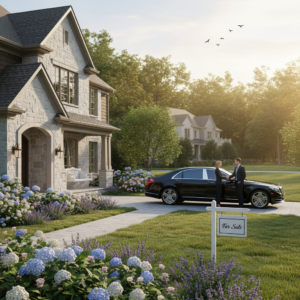
In addition, select listings in the Metro Vancouver area showcase luxury properties with exquisite gardens and landscapes. These homes often include professionally curated edible landscapes, greenhouse setups, and pollinator-friendly flower gardens, appealing to a diverse range of gardening interests and lifestyles.
Together, these dream garden homes present a variety of options for plant enthusiasts seeking a harmonious blend of indoor comfort and outdoor horticultural potential. Whether it’s creating raised vegetable beds, cultivating perennials, or enjoying serene garden retreats, these properties offer inspiring possibilities for growing a personal garden sanctuary.
The content is provided by Harper Eastwood, Brick By Brick News