Summary
“Master Your Home Buying Experience with This Vital Inspection Checklist” is a comprehensive guide that provides key insights into the home inspection process. The guide emphasizes the importance of conducting a thorough home inspection before finalizing a property purchase. It underscores the critical role played by professional home inspectors, who are trained and certified to assess the physical structure and internal systems of a property, including the foundation, electrical wiring, roof, plumbing, drainage, and HVAC system. By adhering to a detailed home inspection checklist, potential home buyers are equipped with the knowledge to ensure a well-informed decision, contributing to a smoother home buying experience.
The guide also provides an in-depth understanding of the role of professional associations, such as the American Society of Home Inspectors (ASHI) and the International Association of Certified Home Inspectors (InterNACHI®), which uphold ethical standards to protect both home buyers and inspectors. Moreover, the guide elaborates on how the outcomes of a home inspection can greatly influence negotiations in real estate transactions, and the importance of regular maintenance post-purchase. It also addresses the utility of a home inspection checklist and discusses the professional qualifications required for home inspectors.
Notably, the guide stresses the significant risks involved in skipping a home inspection, including potential financial loss and legal disputes. Ultimately, this guide seeks to equip prospective homeowners with the vital knowledge to navigate the complexities of the home buying process, emphasizing that a detailed home inspection is a critical step in this journey.
Overview
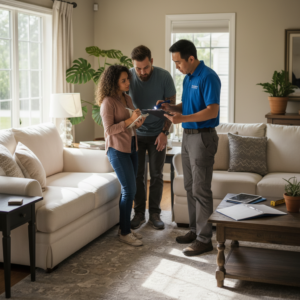
The importance of a home inspection cannot be overstated when looking to buy a property. A professional home inspector examines various aspects of a home to ensure its condition is up to par. This guide provides insights into what a home inspection entails and offers tips on how to prepare for one. It also highlights the value of having your own home inspection checklist PDF to use as a point of reference during the process.
In particular, it’s crucial to pay close attention to major home components during an inspection. These include the foundation, the electrical wiring, the roof, the plumbing, the drainage, and the HVAC system. A seller’s disclosure statement can further aid in ensuring a comprehensive evaluation.
Moreover, the guide also provides home inspection tips for buyers to equip them with knowledge on how to navigate the inspection process and anticipate what comes next. By following these tips and using the home inspection checklist, buyers can ensure they are well-informed and prepared, contributing to a smoother, more informed home buying experience.
Importance of Home Inspection
A home inspection is a critical element in the process of buying or selling a home. It is a comprehensive survey of the condition of a dwelling place, typically handled by a licensed home inspector. The inspection includes examination of major systems like plumbing, electrical, and heating and cooling (HVAC), as well as exterior components like the roof and the siding.
The Role of a Home Inspector
The role of a home inspector is pivotal to a successful home inspection. They are equipped with specific standards of training, knowledge, and professionalism, ensured by a certified license. Their expertise helps them identify immediate concerns, as well as those that can wait a few months.
Professional Associations
Professional associations such as the American Society of Home Inspectors (ASHI) and the International Association of Certified Home Inspectors (InterNACHI®) have codes of ethics that protect both the homebuyer and inspector. Membership in these associations offers more than just training and certification, including access to world-class resources that aid in the growth of their business.
Inspection Outcomes and Negotiations
The outcomes of a home inspection can significantly influence the negotiation process in real estate transactions. Findings from the inspection can be used to negotiate fair and equitable resolutions for both parties. A detailed inspection report, classifying defects into categories such as safety, repair, and monitor, can help homebuyers prioritize repairs and estimate costs.
Post-Purchase Considerations
Despite the importance of home inspections, homeowners often overlook the recommended maintenance after purchase, leading to potential costly repairs. Therefore, understanding the importance of a home inspection extends beyond the purchasing phase and contributes to maintaining the condition of the home in the long run.
Home Inspection Checklist
A home inspection checklist is an important tool used during the home buying process. It helps the buyer to understand the condition of the home they are considering for purchase. The checklist is a comprehensive survey of the house’s condition and its components, typically performed by a licensed home inspector.
Inspection Process
The home inspection process involves a thorough examination of both the interior and exterior parts of the house. Certified home inspectors conduct these examinations, often referring to a comprehensive checklist, such as the one provided by the American Society of Home Inspectors (ASHI), to ensure no critical areas are missed. The home inspection report, given after the inspection, is not a pass/fail assessment. It provides information on the condition of each component of the house and helps the buyer make an informed decision.
The home inspector will examine the home’s structure, including the foundation and any detached buildings like a garage or shed. They also check for evidence of significant issues such as cracks, signs of repairs, water issues, or termites.
In addition to the physical structure, the home’s systems, including HVAC, plumbing, and electrical systems, are also scrutinized. Inspectors look for potential issues and necessary repairs. They may also suggest additional specialized inspections if they suspect major problems, such as sewer line issues.
Utility of Home Inspection Checklist
Following the home inspection checklist can be an invaluable tool for buyers, allowing them to identify deal-breakers and negotiate necessary repairs before purchase. Observing the inspection process can be more informative than merely reading the report, as it gives potential buyers a chance to ask questions and understand their potential new home better.
However, the checklist should only be used as a reference, and not all items may apply to every home. A home inspection is a critical part of the home buying process, and it is advised always to hire a professional inspector to perform this task.
Home Inspection Outcomes
After the inspection, buyers receive a report outlining the property’s major features and any identified issues. These outcomes can greatly impact the home buying process, potentially bringing negotiations to a halt if major issues are identified. Understanding the possible outcomes of a home inspection can help both buyers and sellers navigate the counter-offer negotiation process more smoothly.
While the responsibility for fixing any flaws identified in the inspection typically falls to the seller, in some cases, this may shift to the buyer if the inspection is waived or if it’s an “information only” inspection. Therefore, it’s essential to understand the role of the home inspection and its potential impact on the home buying process.
Role of Home Inspection in Home Buying Process
A home inspection plays a critical role in the process of buying a home. It is a comprehensive survey conducted by a licensed home inspector to assess the condition of the dwelling place. This survey typically includes both the interior and exterior parts of the house like the foundation, structural components, roof, HVAC, plumbing, and electrical systems.
Home inspectors work for the buyer, not the seller. Their role is to inform the buyer about the current state of the property, any problems that need to be addressed before closing the deal, and any projects to be undertaken after the transaction is complete.
The information gathered during the inspection is usually presented in a detailed report. This report not only includes information about the home’s structure and its components but also contains a number of disclosures aimed at protecting the inspector from liability in case of errors or omissions.
It’s important for buyers to hire a professional to perform the home inspection. A professional will be able to examine the condition of major systems like plumbing, electrical and heating, and cooling (HVAC), as well as exterior components like the roof and siding. Moreover, the home inspector can scrutinize the foundation, the electrical wiring, the roof, the plumbing, the drainage, and the HVAC system.
An important tool that can aid in the home inspection process is a seller’s disclosure statement. This document, required by most states, lists out the condition of the home and any known defects. The home inspector can go over this document with the buyer to determine if repairs have been made properly. This document, therefore, acts as a second set of trained eyes and ears, helping buyers make more informed decisions.
In some cases, clues about the condition of the house and its foundation can be gathered from an unfinished basement. Signs of cracks, repairs, and water issues can hint at potential structural problems.
The home inspection process and the subsequent report provide valuable information that can help buyers not only before they purchase the home but also in making decisions after the home is bought. Home inspections also allow for transparency and protection for both buyers and sellers during the home buying process.
Professional Qualifications of Home Inspectors
Professional home inspectors are qualified, experienced, and certified individuals who provide their educated observations on the condition of the house to be purchased. They play a crucial role in the home buying process by generating comprehensive inspection reports on the structure and its components. Such individuals often hold a home inspection certificate, making them preferred by potential clients.
Licensing and Certification
Home inspection licensing requirements vary significantly from one state to the next, and the same applies to provinces. Nonetheless, a state inspection license is a common prerequisite for this profession. It acts as a protective measure for homeowners and buyers alike, ensuring the inspector has met specific standards of training, knowledge, and professionalism. Institutions like the Inspection Certification Associates and InterNACHI® provide home inspector training and certification to help individuals stand out in their careers.
### InterNACHI® Certification
InterNACHI® is a leading association for home inspectors, offering over 1,000 hours of free online education to its members. It also assists individuals in getting licensed in their state or province. It is recognized as a trusted source of certification, providing valuable resources like online exams and insurance options.
### ASHI Certification
The American Society of Home Inspectors (ASHI) is another notable certification institution in the industry. ASHI certification is considered the gold standard, setting inspectors apart in a competitive market. It requires candidates to provide five inspection reports for review to ensure they meet industry standards. Once all requirements are met, inspectors receive their ASHI certification, marking them as trusted industry professionals. ASHI also provides comprehensive continuing education programs to its members, including webinars, workshops, and an annual conference featuring industry experts.
Career Opportunities
Becoming a certified home inspector can be a promising career option. Such professionals are in high demand, especially among individuals eager to have their properties inspected. Apart from being a viable career path for those seeking a change, it also presents opportunities for skill enhancement and networking within the industry.
Conducting a Home Inspection
A home inspection is a crucial component of the home buying process, offering potential buyers the opportunity to discover any major problems before finalizing the purchase. It is a comprehensive survey conducted by a licensed professional, examining the condition of a dwelling place, which typically takes place as part of the buying and selling process.
A home inspector’s service primarily benefits the buyer rather than the seller. The inspector provides a report filled with detailed information about the property’s structure and its components. This report also includes various disclosures to safeguard the inspector from liability in the event of errors or omissions.
The scope of the inspection service is confined to making the buyer aware of the property’s current condition. This includes identifying issues that should be addressed before closing and outlining any tasks that will need to be undertaken after the transfer of ownership. It is equally important for the buyer to understand what is not covered in a home inspection as it is to know what is included.
The home inspector will assess the state of the property’s major systems such as the plumbing, electrical wiring, and heating and cooling (HVAC), as well as exterior components like the roof and siding. Other key components to pay attention to during the inspection include the foundation, the drainage system, and the condition of the seller’s disclosure statement.
Having a home inspection checklist can be a valuable tool, as it helps to ensure a more exhaustive evaluation. It can help buyers identify potential deal-breakers and become more informed consumers. In preparation for the inspection and the steps that follow, potential homebuyers can also benefit from certain home inspection tips.
When it comes to DIY repairs and restorations that may be necessary following the inspection, resources like The Home Depot can provide the necessary supplies and tools, including moving and lifting equipment rentals.
Impact of Home Inspection on Real Estate Negotiations
Home inspections play a pivotal role in real estate transactions and are often used as a risk mitigation strategy by both buyers and sellers. These inspections frequently lead to a second round of negotiations, where aspects such as repairs, credits, and price reduction are discussed.
Pre-Sale Inspections and Seller Concerns
From the seller’s perspective, a home inspection can reveal unexpected issues that might delay the sale. This discovery phase can be tense, especially if significant problems are identified. Sellers often find the process of negotiating over repairs to be stressful, particularly if the issues are minor or aesthetic, like a cracked tile. However, sellers must understand that the identified problems will persist regardless of the buyer and need to be addressed.
Post-Inspection Negotiations from a Buyer’s Perspective
From a buyer’s perspective, the home inspection report is a vital tool for understanding the property’s condition and the potential costs associated with owning the property. With the report in hand, buyers can negotiate for necessary repairs, a reduction in the sale price, or even ask the seller to shoulder some of the closing costs. The inspection report provides a categorization of defects, including safety issues, repair needs, and areas to monitor, assisting buyers in prioritizing repairs.
Striking a Balance
Successful negotiation post-inspection requires a fair and equitable resolution for both parties involved. While the buyer is naturally interested in reducing their future costs and risks, the seller will want to close the sale without incurring excessive repair costs or significant reductions in the sale price. Therefore, it is crucial to find a balance that allows both the seller and the buyer to conclude the transaction satisfactorily. Despite the challenges, over 80% of home sale prices undergo a second negotiation after inspection, suggesting that this step is a standard part of most residential real estate transactions.
Prioritizing Repairs and Maintenance Tasks Post-Inspection
A home inspection is a vital part of the home buying process that informs the buyer about the current condition of the property. The inspection report generated will not only contain structural and component information but also disclosures to safeguard the inspector from liability. Once the home has been purchased, it’s essential not to neglect the maintenance of the property.
Regular maintenance of your home protects your investment and minimizes your repair costs. This can be achieved through a proactive approach, carrying out small tasks, quick checks, and updates monthly and seasonally. This strategy not only simplifies upkeep but, if you plan to sell your home in the future, can lead to fewer repairs and an easily transferable maintenance record.
Implementing a home maintenance checklist can assist in scheduling seasonal updates, repairs, and monthly tasks. Just like annual physical check-ups, your home needs periodic inspections to maintain optimal performance. While commercial buildings usually have a preventive maintenance checklist, homeowners often overlook this important system for their residences.
An essential post-inspection step is hiring a reputable home inspector, and this can be achieved by seeking recommendations from your realtor, mortgage lender, or family and friends. A thorough inspector should provide a detailed inspection report complete with photos of significant issues and recommended repairs. If you’re a home seller, it’s advisable to discuss the next steps with your listing agent, who should be able to provide sound advice based on current real estate market trends. When hiring an inspector, consider looking for an InterNACHI® Certified Professional Inspector® to ensure high-quality service.
Benefits of a Thorough Home Inspection
A comprehensive home inspection serves as an important aspect of the home buying process, providing key insights that significantly influence a potential buyer’s decision. The home inspection outcomes can range in their nature, and these outcomes often provide the potential home buyer with a detailed understanding of the property’s current state, hence enabling them to make a more informed purchase.
One primary advantage of a thorough home inspection is its ability to highlight major problems in a home before finalizing the purchase. It provides the buyer with an opportunity to uncover any potential issues that may lead to costly repairs or renovations down the line. Hence, a professional home inspection can safeguard the buyer’s investment, ensure their safety, and potentially negotiate for a better purchase price or request repairs from the seller.
Apart from being beneficial during the buying process, home inspections also provide valuable post-purchase information. They can guide the new homeowner on immediate and future repairs, renovations, or improvements that the house might need. This will enable the homeowner to prioritize their spending and plan their home maintenance more efficiently.
Therefore, the benefits of a thorough home inspection extend beyond the initial purchase, making it a vital step in both buying and maintaining a home.
Risks of Skipping Home Inspection
A home inspection is an integral part of the home buying process, and skipping it could lead to significant risks. The inspection provides a detailed report on the home’s condition, pointing out both major and minor issues that the homeowner or potential buyer needs to be aware of. It’s crucial to understand that home inspections are not pass/fail assessments. Instead, they give an overview of a home’s state, which the buyer can use to make informed decisions moving forward.
Misrepresentation of a property’s condition is a frequent claim against real estate professionals, and this risk can be significantly reduced by conducting a thorough home inspection. Reading the inspection report section by section ensures that the buyer comprehends the extent of potential problems, which could range from minor faults to major structural issues. A common mistake among buyers is to view the home inspection checklist as definitive. It’s important to realize that not every item on the checklist will apply to every home. Therefore, one should use the checklist as a complementary reference rather than a comprehensive guide.
The risks of skipping a home inspection include potential financial loss due to undetected issues with the property, legal disputes arising from misrepresentation claims, and the possible emotional stress of discovering severe problems after the purchase. Therefore, it is highly advisable never to skip a home inspection when purchasing a home.
The content is provided by Harper Eastwood, Brick By Brick News