Summary
**Unveiling the Charm: Your Ultimate Guide to Vintage Home Decor** explores the rich history, defining characteristics, and contemporary relevance of vintage interior design. Vintage home decor, generally referring to items and styles aged between 20 and 100 years, embodies a nostalgic yet dynamic blend of craftsmanship, aesthetics, and cultural narratives that continue to influence modern living spaces. Rooted in traditions spanning from ancient civilizations through the Victorian era and early 20th-century design movements, vintage decor offers a unique way to infuse homes with character, originality, and a layered sense of history.
This guide examines the hallmark styles that have shaped vintage decor, including the ornate opulence of Victorian interiors, the streamlined elegance of Mid-century Modern, and the bold glamour of Art Deco. It highlights how these diverse influences contribute to an eclectic aesthetic valued for its authenticity, craftsmanship, and ability to harmonize with contemporary design principles. The integration of vintage pieces into modern homes not only enhances visual and tactile richness but also aligns with sustainable practices by repurposing existing materials.
While vintage home decor enjoys widespread appeal, it also faces criticism and challenges related to balancing authenticity with practicality and evolving tastes. Debates persist over the appropriateness of certain vintage trends, the functional limitations of antique furnishings, and the preservation of historical integrity amid contemporary adaptation. Moreover, the commercialization of vintage aesthetics sometimes risks diluting the deeper cultural and philosophical significance associated with these styles, originally championed by thinkers like Oscar Wilde who linked interior decoration to personal and societal transformation.
Overall, vintage home decor remains a vibrant and influential aspect of interior design, celebrated for its ability to create personalized, meaningful spaces that honor the past while embracing the present. This guide serves as an essential resource for enthusiasts seeking to understand, preserve, and creatively incorporate vintage elements into their homes, navigating both the opportunities and complexities inherent in this timeless style.
Historical Context and Evolution
The roots of vintage home decor can be traced back to the rich traditions of interior ornamentation established by ancient civilizations such as the Greeks and Romans. These cultures elevated their living spaces through the incorporation of vases, intricate mosaic floors, murals, and frescoes, creating unique environments that reflected personal and societal values. However, following this flourishing period, the Medieval era—often referred to as the Dark Ages—saw a stark departure in interior design characterized by somber wood paneling, minimal furnishings, and stone slab floors. This shift was influenced by ongoing wars and the rise of the Christian church, which fostered an austere aesthetic that contrasted sharply with earlier decorative excess.
The Victorian era marked a significant evolution in home decor, distinguished by a highly ornamental and eclectic approach. Victorian interiors were known for their “grand excess of ornament,” mixing and matching various historic styles and often incorporating Asian influences. Homes during this time were idealistically divided into distinct public and private spaces, with the parlour serving as a key showcase room filled with objects reflecting the owner’s tastes and aspirations. This period also witnessed a democratization of decorative arts, as middle-class homeowners gained access to furniture, art, and fabrics that enabled them to lavishly embellish their living spaces, leading to the characteristic “busy” and richly adorned Victorian aesthetic.
The notion of interior decoration as a pathway to cultural enlightenment was notably advanced by figures such as Oscar Wilde, who emphasized the transformative power of aesthetic shifts within the home. Wilde argued that changing one’s immediate surroundings could foster a cosmopolitan mindset, advocating for a lived experience of knowledge beyond traditional education. This philosophical underpinning elevated Victorian decorative arts beyond mere ornamentation, positioning them as a means of personal and cultural development.
As the 20th century progressed, vintage decor began to crystallize as a distinct style, drawing inspiration from the early to mid-1900s. Vintage is generally defined by items that are at least 20 years old but less than 100 years old, distinguishing it from antiques. The vintage aesthetic is appreciated for its ability to imbue a space with originality, eclecticism, and character, often blending nostalgia with craftsmanship. It incorporates influences from various eras, including the bold and decadent Art Deco of the early 20th century, the functional and clean lines of Mid-century Modern inspired by the Bauhaus movement, and the transitional styles emerging during the 1940s which combined country-style elements with resourcefulness due to wartime shortages.
Defining Characteristics of Vintage Home Decor
Vintage home decor is celebrated for its ability to infuse charm, character, and originality into living spaces, reflecting the owner’s refined and cultivated taste. At its core, vintage design involves incorporating color palettes, furniture, and compositional elements from past eras and adapting them to fit modern lifestyles. This flexibility allows homeowners to mix and match pieces from different periods, creating an eclectic and personalized environment.
A defining trait of vintage decor is its emphasis on authenticity and a sense of history, capturing what “home” truly means by blending nostalgia with functionality. Styles such as Mid-Century Modern exemplify this by focusing on clean lines, simple geometric shapes, and natural materials, which remain highly sought after for their timeless appeal and practical design ethos. Incorporating signature pieces, like an Eames lounge chair or a kidney bean-shaped dining table, serves as the foundation for a vintage-inspired space, with complementary colors and accessories enhancing the overall aesthetic.
Antique furnishings contribute depth and contrast to modern interiors through their varied textures and rich materials, such as ebony, zebrawood, and marble—hallmarks of styles like Art Deco that add opulence and bold visual statements. Art Deco, popular in the 1920s and ’30s, is characterized by geometric patterns, jewel tones, and high-shine accents such as silver and chrome, reflecting an era of optimism and exuberance.
Historically, the use of antiques as a deliberate design choice was rare, as older pieces were often confined to less frequented rooms. However, contemporary vintage design embraces these elements as focal points, honoring craftsmanship from periods when artists and artisans supplied both paintings and home furnishings.
The successful blend of vintage and modern design lies in striking a harmonious balance, where each piece—whether antique or contemporary—can be appreciated for its inherent beauty and contribution to a layered, special home environment. This approach celebrates the evolving narrative of interior decor, honoring the past while accommodating present-day tastes and needs.
Influential Vintage Styles and Their Features
Vintage home decor draws inspiration from various influential styles spanning different eras, each contributing distinctive characteristics that shape the nostalgic and timeless appeal of vintage interiors. Understanding these styles helps in effectively incorporating vintage elements into modern living spaces.
Victorian Style
Originating in the United Kingdom during Queen Victoria’s reign in the 19th century, Victorian interior design is renowned for its opulence, intricate ornamentation, and rich color palettes, often featuring jewel tones. It is characterized by abundant patterns in wall coverings and textiles, elaborate architectural details such as high ceilings, grand windows, architraves, and cornices, and a mix-and-match approach that blends various historical styles, including Gothic and Asian influences. Victorian interiors often emphasize dark woods and elaborate furniture, evoking a moody and dramatic atmosphere that celebrates grandeur and excess.
Mid-Century Modern
Emerging in the mid-20th century, Mid-century modern design contrasts sharply with Victorian opulence through its minimalist ethos and functional elegance. This style embraces organic curves and clean, cubic shapes, often incorporating elements from the preceding Art Deco period but with a futuristic, space-age twist. Mid-century interiors focus on simplicity and comfort, blending aesthetics with usability to create a timeless and effortlessly stylish environment.
Art Deco
Art Deco, a major design movement of the early 20th century, is distinguished by its bold geometric patterns, stylized curves, and luxurious materials such as marble, velvet, brass, and chrome. Popular motifs include zigzags, chevrons, sunbeams, shells, and fan shapes that convey a sense of glamour, luxury, and power. Although its prominence declined with the rise of mid-century modernism, Art Deco has experienced a resurgence, with contemporary interpretations maintaining its signature opulence while adapting to modern lifestyles.
Common Features Across Vintage Styles
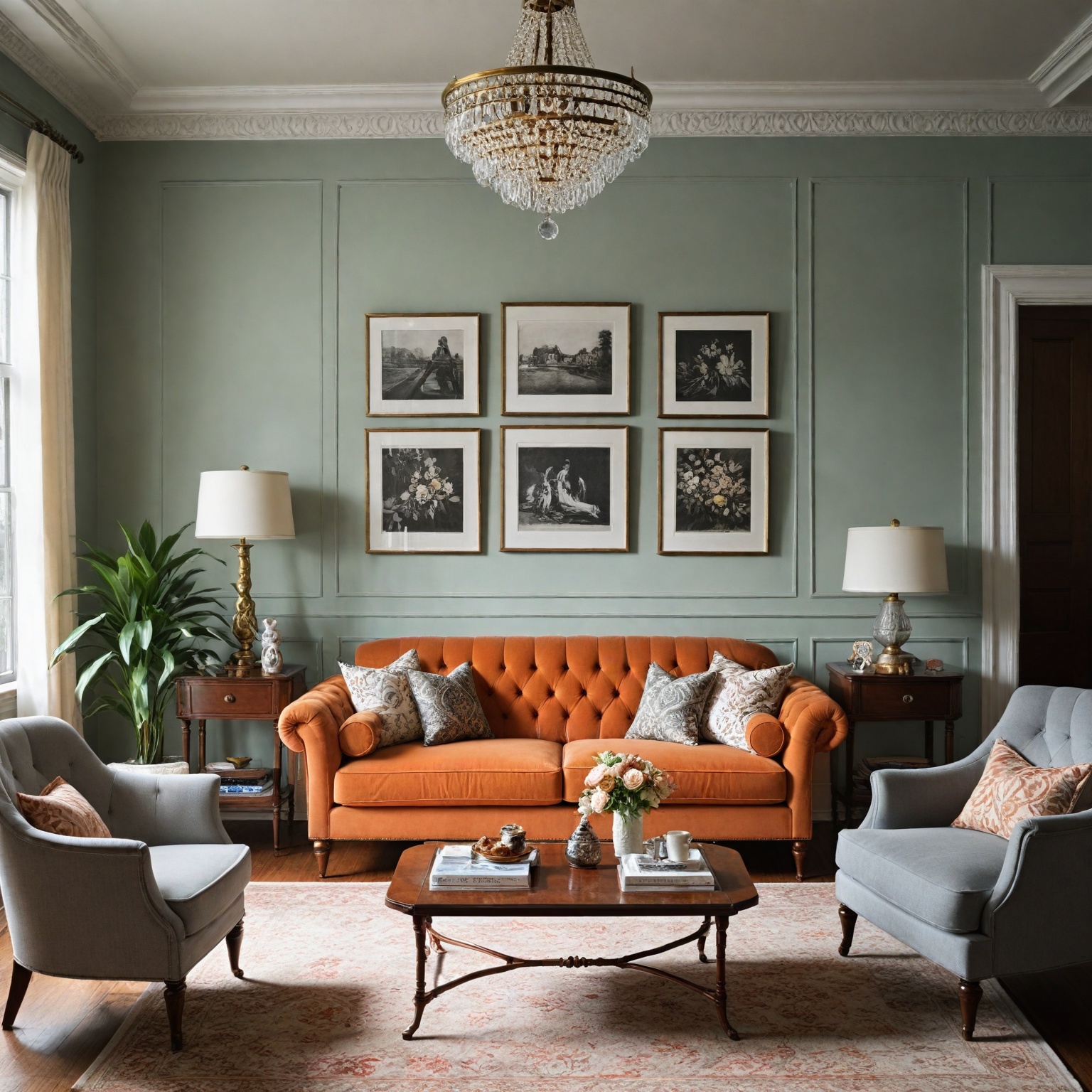
Despite their differences, vintage styles share several unifying features that contribute to their enduring charm. Vintage decor often involves layering textures, colors, and patterns to create depth and warmth within a space. Accessories such as ornate mirrors, vintage clocks, crystal chandeliers, and ceramic vases add historical narrative and personal character to interiors. Collections of antiques or vintage items—ranging from books and postcards to furniture and textiles—serve as focal points, emphasizing the curated and lived-in quality essential to vintage aesthetics.
By blending these distinctive vintage influences, homeowners can craft spaces that are not only stylish and nostalgic but also uniquely personal and full of character.
Integrating Vintage Decor into Contemporary Interiors
Blending vintage decor with contemporary interiors offers a unique way to create spaces that feel both personal and timeless. This integration celebrates the artistry and history embedded in older furnishings while embracing modern functionality and design sensibilities. One popular approach to achieving a harmonious balance is to use a guideline of roughly 20% vintage pieces paired with 80% modern items. While this “rule” provides a helpful starting point, personal taste and the specific characteristics of a home ultimately guide the mix.
Key to a successful blend is identifying commonalities between vintage and modern elements, such as shared color palettes, textures, or materials. For example, the tactile richness of antique textiles or the patina on vintage wood can offer depth and contrast against sleek contemporary surfaces. Midcentury modern furnishings, known for their clean lines and natural materials, continue to inspire designers, serving as a bridge between vintage charm and modern minimalism.
When decorating, consider incorporating vintage accessories like pillows, linens, picture frames, or lamps as smaller touches that add warmth without overwhelming the space. Larger statement pieces such as vintage furniture can anchor a room while allowing modern accents to maintain an open, airy feel. Grouping similar vintage items together—whether on a mantel, hanging shelf, or bookshelf—helps create a cohesive display that can coexist gracefully with contemporary decor.
Designers emphasize embracing imperfection and patina in vintage pieces, as these layers of history bring warmth and authenticity that counterbalance the sometimes sterile nature of modern interiors. Mixing styles and periods is encouraged to cultivate an eclectic, collected-over-time look rather than a contrived design. To avoid visual clutter, balance bold vintage patterns or colors with neutral tones and provide enough “breathing room” within the layout.
Ultimately, integrating vintage decor into modern homes not only adds character and nostalgic appeal but also results in a space that tells a story—a blend of past and present that reflects the homeowner’s unique style.
Popular Vintage Home Decor Items and Their Roles
Vintage home decor is characterized by a diverse range of items that not only add aesthetic value but also imbue spaces with history and personality. Common vintage accessories include ornate mirrors, vintage clocks, crystal chandeliers, and ceramic vases, each telling a story and layering history into the home environment. Collections such as old books, vintage postcards, or antique teapots are often displayed prominently on open shelves or mantelpieces, creating nostalgic focal points that reflect the homeowner’s interests and passions.
Textiles are essential in defining the vintage aesthetic, with items like pillows, linens, blankets, and rugs playing a significant role. While rugs can sometimes retain scents from their origins, proper cleaning methods such as vinegar washes and airing out in sunlight can refresh them. Smaller vintage accessories, including picture frames, lamps, stoneware, kitchenware, and baskets, can be used throughout a space to complement larger statement pieces and help modern or new homes feel less contemporary.
Lighting fixtures hold particular importance in vintage decor. Fluted wall sconces, extravagant chandeliers, and lamps with decorative shades or stained glass add warmth and charm, enhancing the ambiance with elegance and historical character. Vintage lighting is often sourced second-hand, prized for its ability to elevate a room’s style while maintaining a sense of timelessness.
Furniture pieces are another cornerstone of vintage interiors, with mid-century modern items standing out due to their clean lines, smooth curves, bright colors, and use of modern materials. Signature pieces like kidney bean-shaped dining tables, Eames lounge chairs, or metal sunburst wall hangings can serve as anchors for the overall design, around which complementary elements such as artwork and window treatments are curated.
Small decorative objects, including vintage silver candlesticks, Meissen porcelain figurines, and other collectibles, often transition from functional use to purely decorative roles. These objects are cherished for their craftsmanship and historical significance, and when displayed thoughtfully, they contribute to the eclectic and curated nature of vintage interior design. Paying attention to smaller details such as doorknobs, hinges, and handles further maintains the vintage aesthetic throughout a home.
Finally, high-end vintage furnishings and accessories often feature expensive materials such as ebony, zebrawood, and marble, as seen in styles like Art Deco. Incorporating such pieces can make bold statements and elevate the overall design by blending vintage charm with other stylistic influences.
Cultural Significance and Contemporary Influence
Vintage home decor carries a deep cultural significance that resonates with many due to its connection to nostalgia, sustainability, and personal expression. The appeal of vintage interiors often stems from a desire to create unique and meaningful spaces that reflect individual personalities and values. This appreciation is rooted in the artistry and history embedded within older furniture and decorative items, which often evoke memories or capture specific moments in history, making them treasured elements in a home’s design.
The vintage style, originating prominently in the 1930s and 40s, is characterized by an elegant, restrained, and romantic aesthetic that blends classic ideas with more modern concepts. This style typically incorporates pastel shades, soft textures, and floral prints, fostering an atmosphere that is both elegant and bohemian. Such decor adds an antique touch that enriches interior spaces with a sense of timelessness and character.
Victorian decorative arts, a notable vintage era, exemplify a grand excess of ornamentation, mixing eclectic historic styles with influences from Asian art. This era’s elaborate designs contribute to the diversity and richness of vintage home decor and illustrate how past cultural trends continue to inspire contemporary tastes.
In today’s design landscape, vintage decor is not only about preserving history but also about creating harmonious blends with modern aesthetics. The textures and visual contrasts of antique furnishings can bring depth to sleek contemporary lines, offering both visual and tactile diversity. Achieving a balance where each piece—whether modern or antique—can be appreciated for its beauty is key to successful vintage-modern fusion in interior design.
Moreover, the broad timespan that vintage decor covers—anything over 20 years old—allows for an eclectic mix of styles drawn from various periods. This flexibility encourages personal creativity and the ability to curate spaces that feel distinctive and reflective of one’s own style preferences. As a result, vintage home decor continues to influence contemporary interior design, marrying history with modernity in ways that are sustainable, inspiring, and deeply personal.
Preservation, Maintenance, and Restoration
Preserving and maintaining vintage decor is essential to retain its charm and extend its lifespan, ensuring that each piece continues to contribute character and history to a space. Proper care involves understanding the unique needs of older items and applying techniques that respect their age and materials.
When it comes to textiles such as vintage rugs, extra caution is needed due to potential lingering scents or accumulated dirt from previous environments. A recommended approach is to wash the rug with vinegar followed by airing it in the sunshine, which can effectively freshen the fabric without causing damage. Similarly, smaller vintage accessories—such as pillows, linens, picture frames, vases, blankets, lamps, stoneware, kitchenware, and baskets—should be cleaned gently according to their specific materials to maintain their original appearance and integrity.
Restoration efforts should aim to preserve the authenticity of vintage pieces while ensuring their usability
Criticism, Challenges, and Controversies
Vintage home decor, while celebrated for its nostalgic appeal and timeless charm, faces several criticisms and challenges that impact its adoption and appreciation. One significant critique revolves around the tendency of some vintage trends, particularly those prevalent from the 1970s to the early 2000s, to feel outdated or overused. The recent decline in popularity of white and light gray hues—a staple in many vintage and transitional styles—reflects a broader desire among homeowners to move away from these once-dominant palettes in favor of more layered and personalized spaces. This shift underscores a tension between honoring vintage aesthetics and evolving contemporary tastes.
Another challenge inherent to vintage decor lies in the balance between authenticity and practicality. Many vintage pieces, such as ornate Victorian furnishings or delicate porcelain collectibles, were originally designed for display rather than modern daily use. As collectors increasingly prioritize these objects for their aesthetic and historical value, they often become less functional in everyday settings, raising questions about their practicality in contemporary homes. Moreover, integrating vintage items that hold sentimental value can be difficult when they do not align with current lifestyles or spatial requirements, necessitating creative repurposing strategies to maintain relevance and utility.
The democratization of formerly exclusive decorative arts during the Victorian era also introduced complexities regarding social status and material culture. Middle-class homeowners’ newfound access to luxurious furnishings fostered a “busy” aesthetic marked by an abundance of objects, which today can clash with minimalist preferences and prompt debate about taste and excess in interior design. Additionally, the process of repurposing and upcycling vintage elements to fit modern homes—while celebrated for sustainability and creativity—raises concerns about preserving the integrity and historical significance of original pieces.
Finally, vintage decor often intersects with broader cultural narratives, including notions of cosmopolitanism and identity formation. Thinkers like Oscar Wilde linked aesthetic shifts in home decoration to personal and societal transformation, suggesting that vintage styles carry meanings beyond mere visual appeal. However, this philosophical depth is sometimes overlooked or simplified, leading to controversies around the commercialization of vintage aesthetics and the dilution of their cultural significance.
The content is provided by Blake Sterling, Brick By Brick News